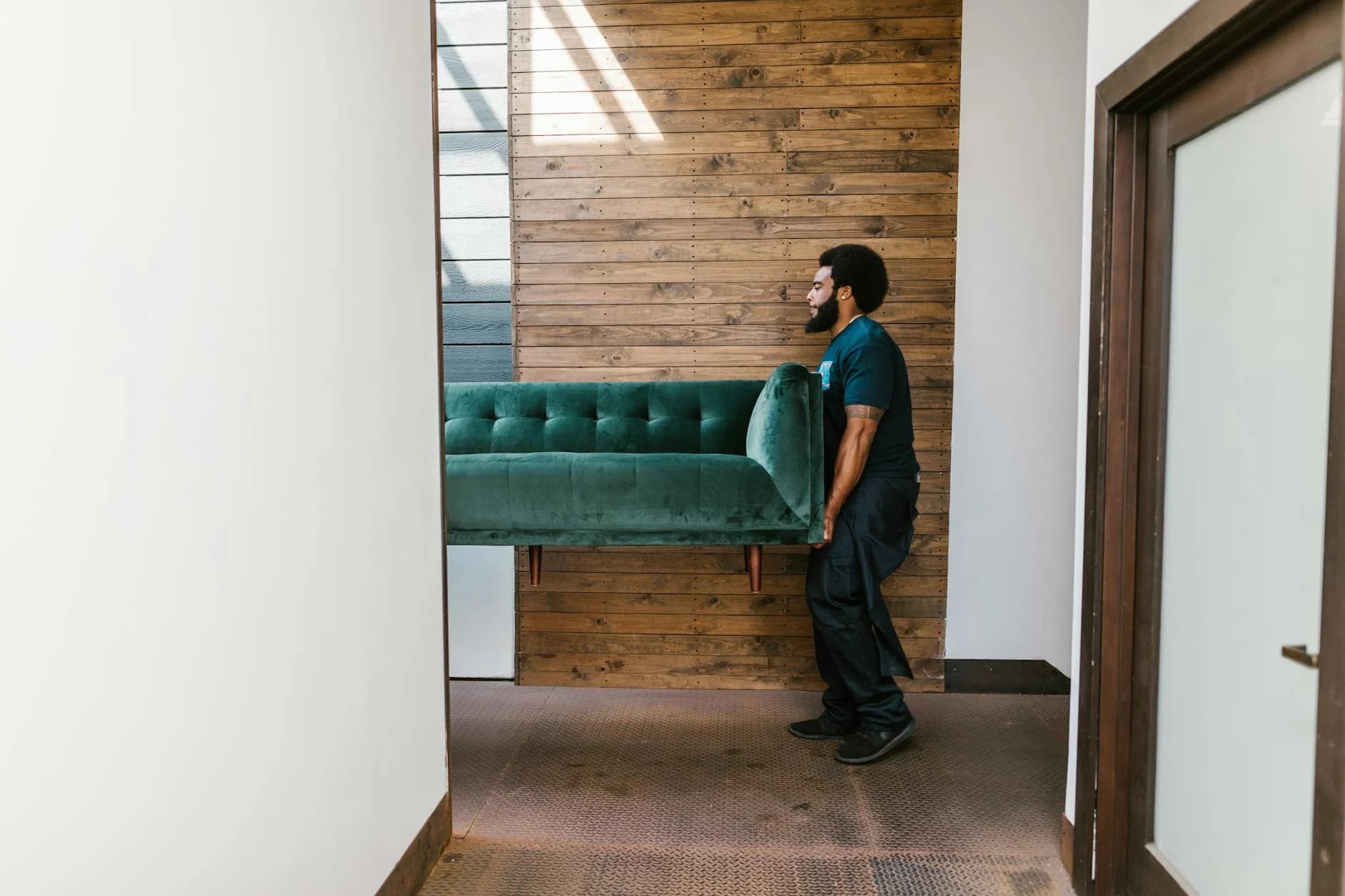
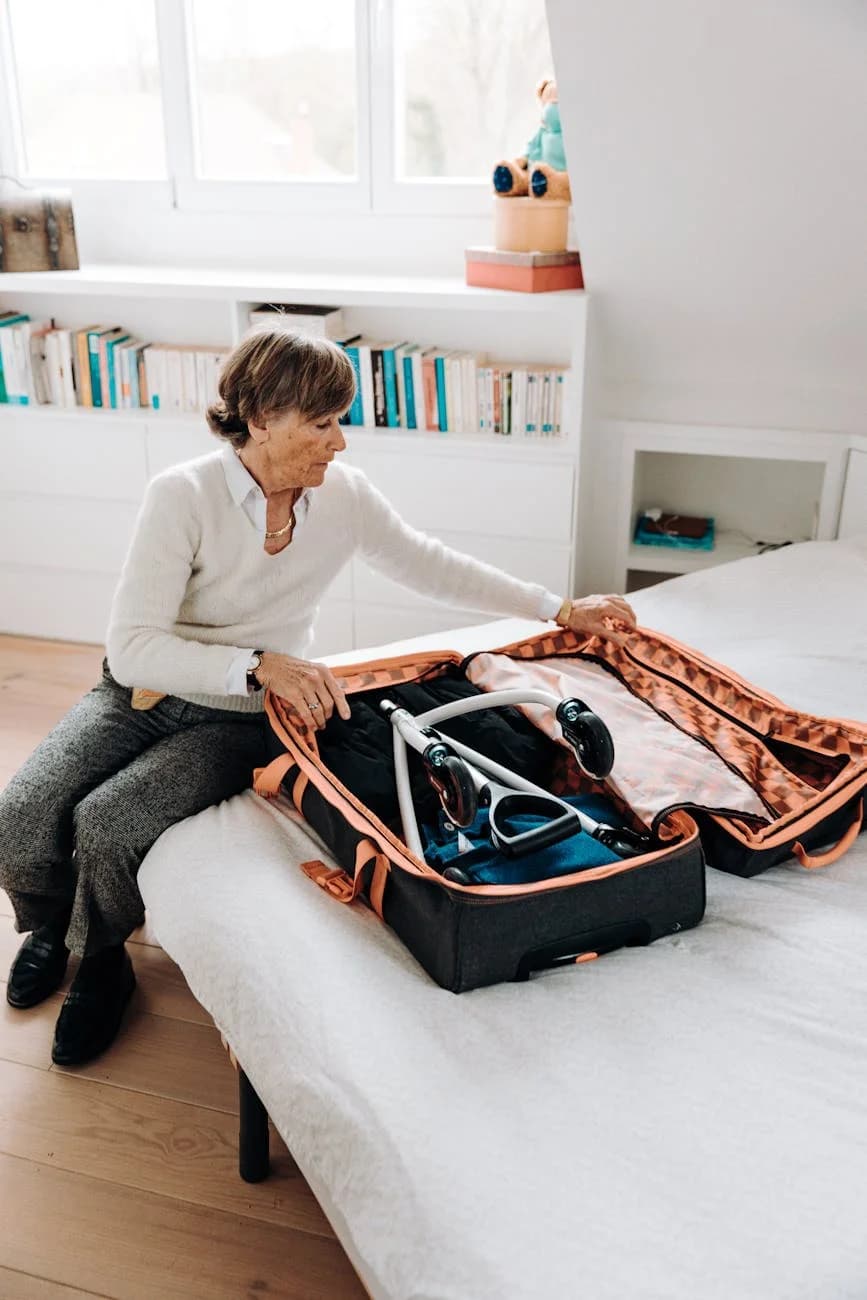
A step-by-step senior moving checklist covering planning, packing, moving day, and settling in. Includes tips for downsizing and memory care moves.
Moving is challenging at any age, but seniors face unique obstacles. Familiar routines get disrupted, treasured belongings need careful handling, and leaving a longtime home brings real emotional weight. The good news? With the right preparation, this transition can mark an exciting new beginning.
This checklist covers every stage of a senior move, from initial planning through settling into your new place. Whether you're relocating to a retirement community, downsizing to a smaller home, or moving closer to family, these step-by-step tasks will keep you organized and on track.
At Rapid Panda Movers, we've helped hundreds of Miami-area seniors through this process. We know what works and where things tend to go wrong. Use this guide as your planning companion, and reach out when you need professional support.
Two Months Before Your Move
Eight weeks out is the ideal time to make major decisions and set your plan in motion. Here's what to tackle:
Finding Your New Home
Finalize your destination. If you're moving to a retirement community, confirm the unit, submit your deposit, and ask about move-in restrictions like specific days or times allowed for moving trucks.
Set your moving date. Coordinate with your new residence and potential movers. Build in a few days of flexibility in case something unexpected comes up.
Planning and Insurance
Review your insurance coverage. Call your agent to discuss any policy changes needed. Moving from a house to an apartment (or vice versa) often affects your coverage.
Consider senior move management services. These specialists handle everything from downsizing decisions to floor plan creation. If the logistics feel overwhelming, a consultation can help you understand your options.
Get moving quotes. Contact at least three reputable moving companies. Check online reviews, verify BBB ratings, and ask for references. Book your preferred mover early since good companies fill up fast.
Secure moving insurance. Standard coverage may not protect high-value items. Ask your mover about valuation options or check with your homeowner's insurance about transit coverage.
Decluttering and Organizing
Measure your new space. Get the dimensions of each room and sketch a rough floor plan. This helps you decide what furniture will actually fit and prevents the stress of arriving with too much stuff.
Sort your belongings. Create three categories: Keep, Donate, and Discard. Hold a garage sale for valuable items you won't need. Take photos of how furniture is arranged in your current home before you take it apart.
Getting Ready to Pack
Order moving supplies. Stock up on sturdy boxes, packing tape, bubble wrap, markers, and packing paper. Submit your USPS change of address form to forward mail.
Arrange for disposal. Rent a dumpster for bulky items you're discarding. If some belongings won't fit in your new place but you're not ready to part with them, reserve a storage unit.
One Month Before Your Move
Four weeks out, it's time to start disconnecting from your current home and begin packing non-essentials.
Utilities and Services
Schedule utility disconnection. Contact your phone, internet, cable, water, gas, and electric providers to schedule shutoff for the day after you leave. In South Florida, this typically means Florida Power & Light (FPL) for electricity, Miami-Dade Water and Sewer for water, and AT&T, Xfinity, or local providers for communications. Set up service at your new address if needed. Most retirement communities include utilities in monthly fees, so confirm what's covered before scheduling new accounts.
Update Your Information
Notify your doctors. Tell your physicians about your move. If you're leaving the area, ask for referrals and request copies of your medical records.
Update your address everywhere. This includes insurance companies, credit cards, Social Security Administration, DMV, IRS, your pharmacy, and all bank accounts. Make a master list and check off each one as you complete it.
Start Packing
Pack non-essentials first. Extra towels, seasonal clothing, books, and decorative items can be boxed up now. This spreads the work over several weeks instead of cramming everything into the final days.
Label every box clearly. Write the destination room and a brief contents description on at least two sides. Color-coded labels or tape can speed up the sorting process at your new home.
Set aside valuables for personal transport. Jewelry, important documents, medications, and irreplaceable family items should travel with you, not on the moving truck.
Administrative Tasks
Cancel unnecessary subscriptions. Magazines, newspapers, lawn services, pest control, pool maintenance, and alarm monitoring can be stopped or transferred now. Contact the Miami Herald or your local paper to cancel or forward delivery. Cancel gym memberships, club fees, and any automatic renewals tied to your current address.
Order new checks. Update your address with your bank and order checks with your new address if you still use them. Set up online banking if you haven't already since many retirement communities prefer electronic payments.
Notify financial institutions. Update your address with brokerage accounts, retirement fund administrators, Social Security, and any pension providers. Florida has no state income tax, which simplifies things if you're moving from another state.
Two Weeks Before Your Move
The countdown is on. These final two weeks are about confirming details and finishing your packing.
Confirm Moving Details
Verify with your movers. Call to confirm the date, arrival time, total cost, and how many crew members will be assigned. Get everything in writing if you haven't already.
Continue Packing
Finish non-essentials. Most rooms should be boxed up by now except for items you use daily.
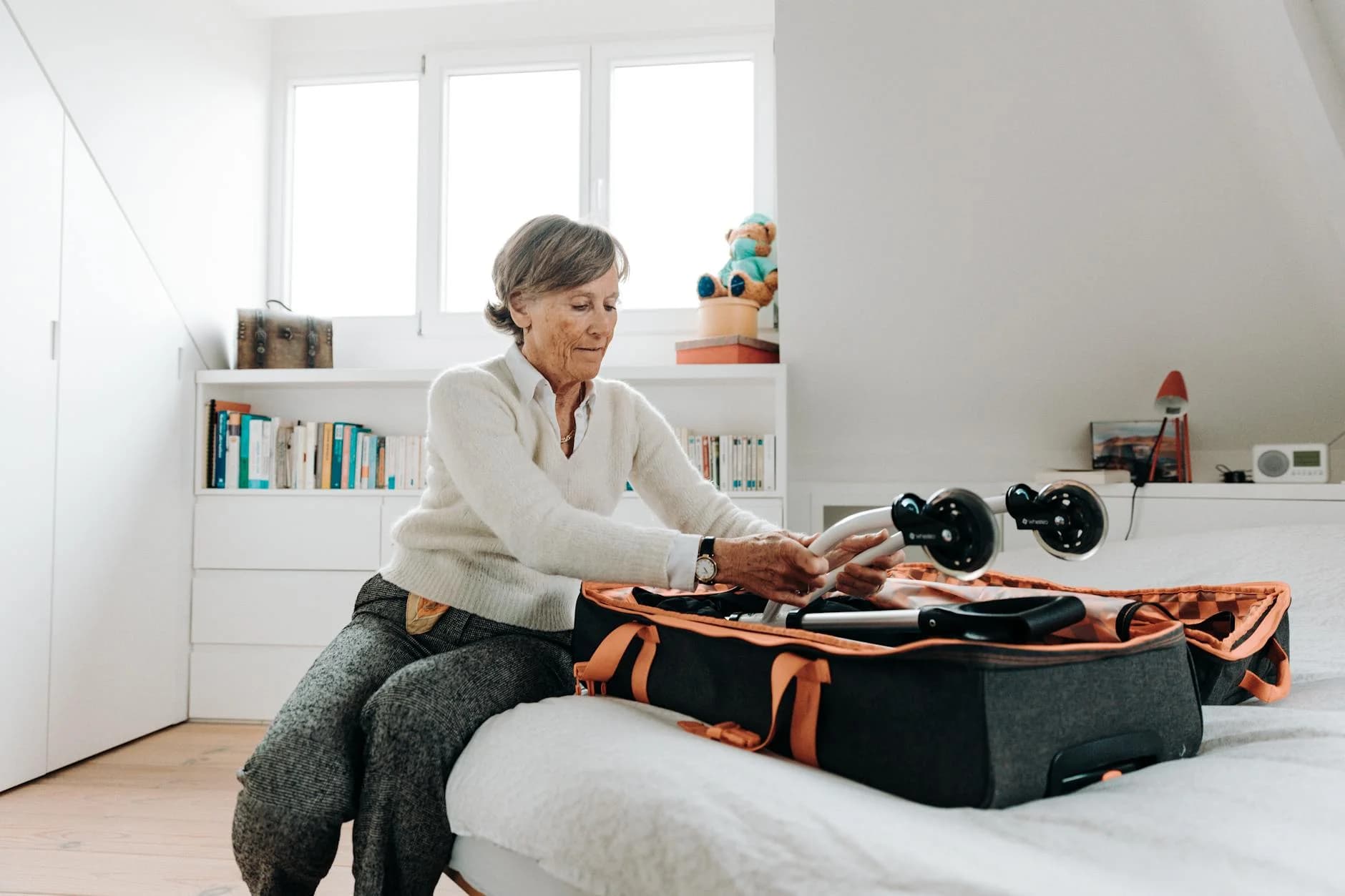
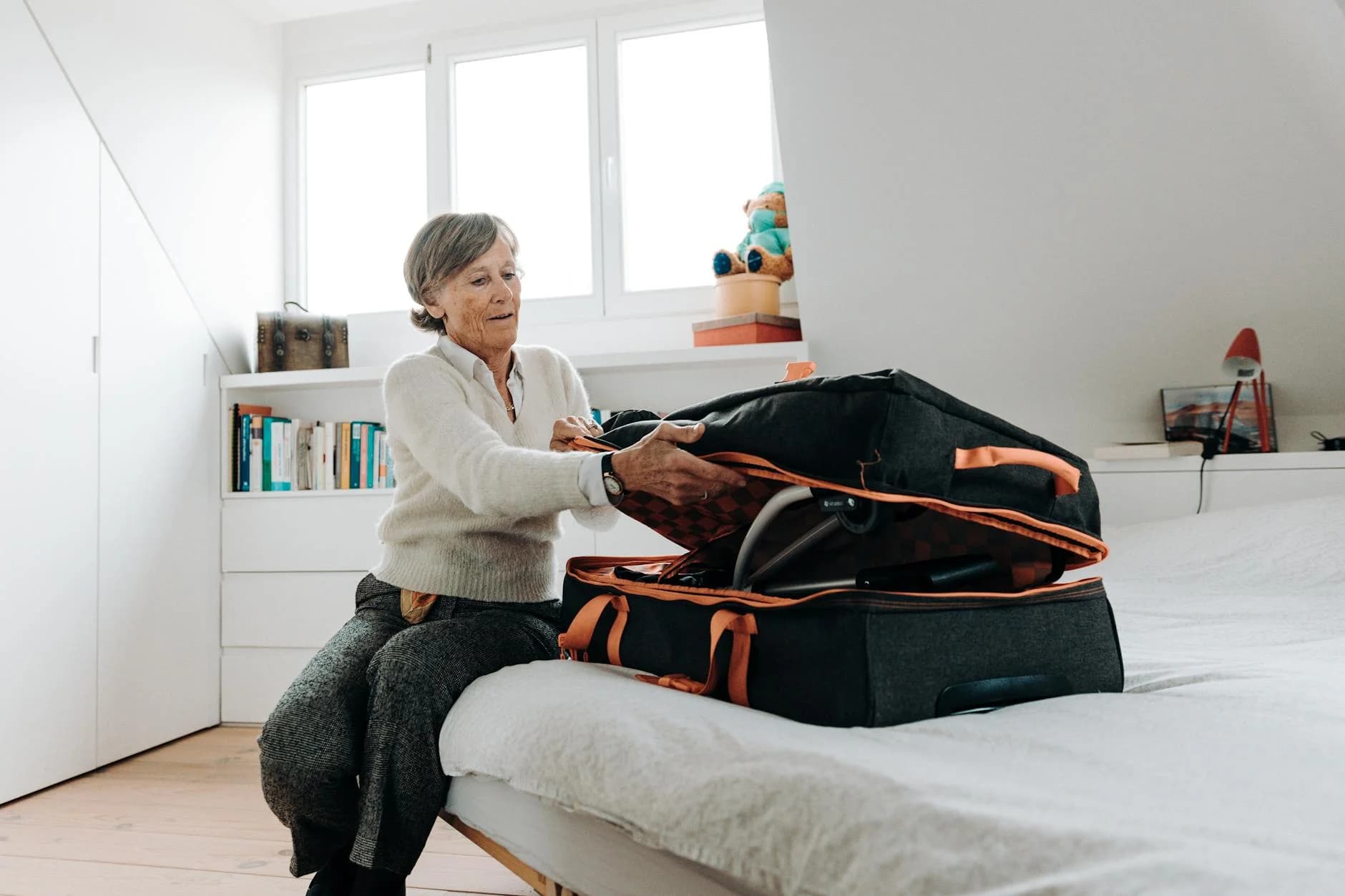
Pack a suitcase for the first few days. Include comfortable clothes, toiletries, phone chargers, and anything you'll need immediate access to. Treat it like packing for a short trip.
Create a daily essentials box. Keep medications, basic toiletries, pajamas, and snacks in one clearly marked container that stays with you, not on the truck.
Medical Preparation
Fill all prescriptions. Make sure you have at least a two-week supply of all medications. Transfer prescriptions to a pharmacy near your new address if needed.
Document Your Belongings
Photograph furniture and electronics. Take pictures of serial numbers, existing damage, and cable connections. This protects you if anything is damaged and makes reassembly easier.
Hazardous Materials
Dispose of items movers won't transport. Paint, propane tanks, gasoline, cleaning chemicals, and other hazardous materials must be properly disposed of before moving day. Check with your local waste management for drop-off locations.
Two to Four Days Before Your Move
The final stretch. Focus on packing the last essentials and preparing for moving day itself.
Pack Your Essentials Box
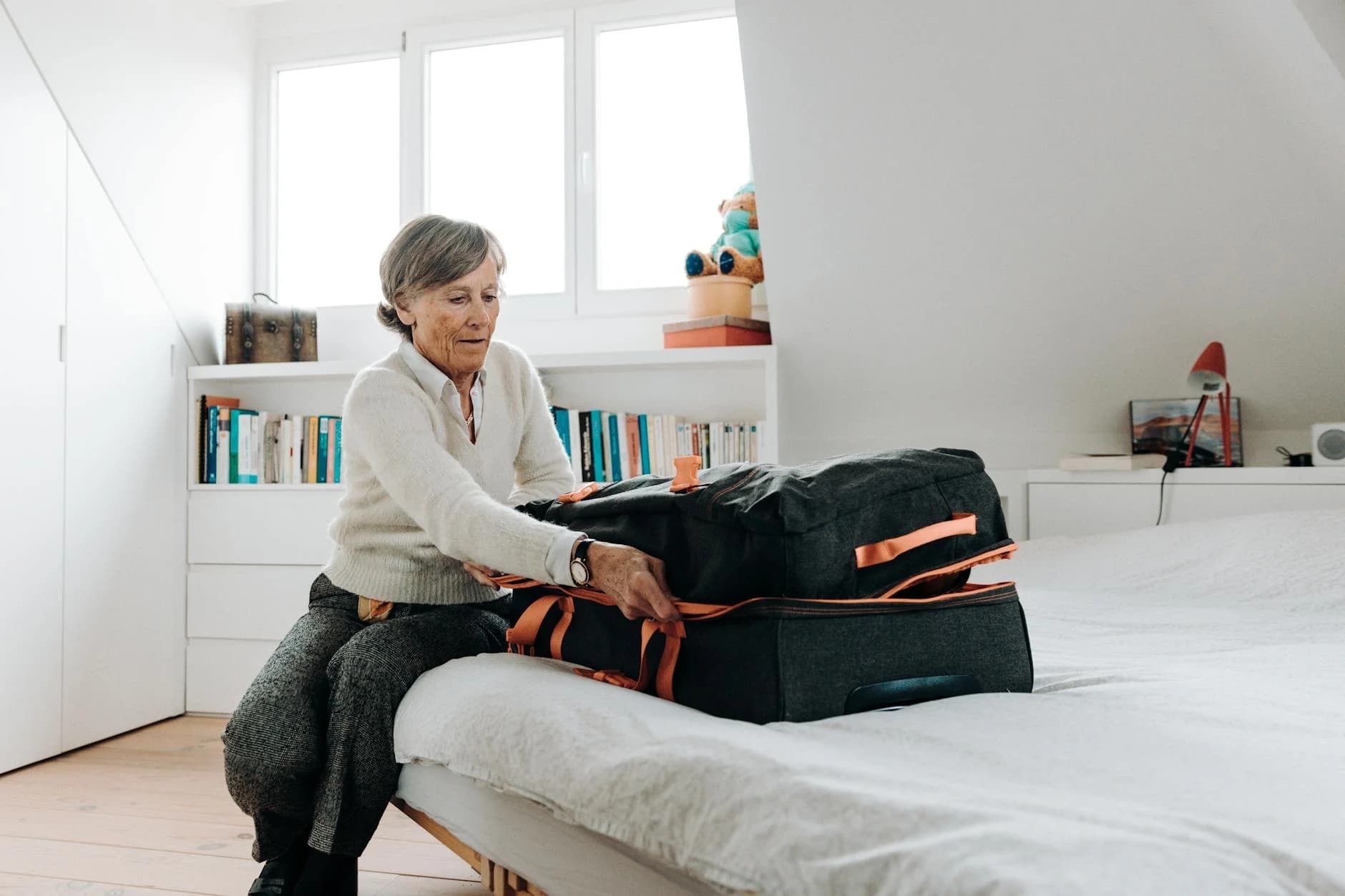
Prepare an "open first" box. Include medications, pajamas, toiletries, a change of clothes, phone chargers, basic kitchen items, and a few comfort items like family photos or a favorite book. Mark this box clearly and keep it accessible.
Finalize Your Moving Day Plan
Create a detailed schedule. Know what time movers arrive, how long loading should take, and when you need to be at your new home. Share this timeline with anyone helping.
Prepare your floor plan. Have a diagram showing where large furniture goes in each room. This saves time and prevents the movers from asking where everything belongs.
Gather Tools
Keep a basic toolkit handy. Screwdrivers, pliers, a wrench, packing tape, scissors, and a utility knife should be easily accessible for last-minute disassembly or quick fixes.
Personal Transport Items
Load your car with irreplaceable items. Valuables, important documents, medications, and sentimental items that would be devastating to lose should travel with you.
Moving Day
The day is here. Stay calm, stay organized, and let the professionals do the heavy lifting.
Morning Tasks at Your Old Home
Strip your bed last. Your bedding goes in a clearly marked bag or box. The bed frame gets disassembled and loaded.
Brief your movers. Walk them through the house and point out fragile items, heavy pieces, and anything requiring special handling. Show them your labeling system.
Before You Leave
Do a final walkthrough. Check every closet, cabinet, drawer, and shelf. Look behind doors and in the garage. It's easy to forget items in the rush of loading.
Check all utilities are off. Turn off lights, lock doors, and leave keys where agreed upon with the buyer or landlord.
Arriving at Your New Home
Verify utilities are working. Test lights, run water, and check that air conditioning functions before the movers finish unloading. In South Florida's heat, working A/C is essential. If you're moving during summer months (May through October), confirm the thermostat works and the unit cools properly. A home without air conditioning in Miami can become dangerously hot within hours.
Set up your bedroom first. Having a made bed waiting for you that first night makes a huge difference. You'll be exhausted, and a familiar sleeping setup helps. If possible, position the bed in a similar orientation to your previous home for comfort.
Unpack daily essentials. Get your bathroom functional, set up coffee for the morning, and unpack kitchen basics. Everything else can wait. Take breaks during unpacking since Florida's humidity can be tiring even indoors.
After the Move: Settling In
Once the movers leave, give yourself permission to adjust at your own pace. The first few weeks in a new home take time.
Watch for Relocation Stress
Recognize the signs. Relocation Stress Syndrome is well-documented among seniors. Symptoms include anxiety, fatigue, confusion, and withdrawal. If you or your loved one experiences these feelings, it's normal, but don't hesitate to discuss them with staff at your new community or your healthcare provider.
Special Considerations for Memory Care
Recreate familiar spaces. If you're helping someone with Alzheimer's or dementia move, use photos of their old home to arrange furniture and belongings in similar positions. Familiar layouts reduce disorientation.
Unpack the bedroom first. A recognizable sleeping environment provides comfort and helps maintain sleep routines during the adjustment period.
Unpack Strategically
Prioritize function over perfection. Get essential rooms working first: bedroom, bathroom, kitchen. Decorating and organizing can happen over the following weeks. There's no rush to have everything perfect on day one.
Benefits of Professional Senior Moving Services
Working with movers who specialize in senior relocations provides advantages beyond standard moving services:
- 1Patience and understanding: Our crews work at a comfortable pace and communicate clearly throughout the process
- 2Experience with medical equipment: Proper handling of walkers, wheelchairs, hospital beds, and oxygen equipment
- 3Downsizing expertise: Help sorting decades of possessions without judgment or pressure
- 4Coordination with care facilities: We know the requirements of retirement communities, assisted living, and memory care facilities
- 5Reduced physical strain: Seniors and their families can supervise without lifting heavy items
What to Expect from Rapid Panda Movers
When you hire us for senior moving services, here's what happens:
- 1Free in-home consultation: We assess your belongings, discuss your timeline, and provide a transparent quote with no hidden fees
- 2Customized plan: A detailed moving plan that accounts for your specific needs, whether that's early morning quiet hours or extra time for packing sentimental items
- 3Professional crew: Uniformed, background-checked movers trained specifically in senior relocations
- 4Quality materials: Wardrobe boxes, picture boxes, and specialty packing for fragile items included
- 5Setup at destination: We don't just drop boxes. We reassemble furniture and place items where you want them
Frequently Asked Questions
How much does a senior move cost in Miami?
Senior moves typically range from $800 to $3,000 depending on home size, distance, and services needed. A one-bedroom apartment move within Miami-Dade usually costs $800-$1,200. Larger homes or moves requiring full packing services cost more. We provide free quotes with no obligation.
How far in advance should I book movers for a senior relocation?
Book at least 4-6 weeks ahead, especially if moving to a retirement community with specific move-in windows. Popular moving dates (end of month, weekends) fill quickly. Earlier booking gives you more flexibility with scheduling.
Do you help with downsizing before the move?
Yes. We partner with estate organizers and can recommend trusted professionals who specialize in helping seniors sort, donate, and sell belongings. Our team also handles donation pickups and disposal of items you're discarding.
Can you coordinate with my retirement community's requirements?
Absolutely. We work with communities throughout Miami-Dade and are familiar with their move-in procedures, elevator reservations, loading dock requirements, and time restrictions. We handle the logistics so you can focus on the transition.
Related Services
Depending on your needs, these services complement senior moving:
- 1Packing Services: Full-service packing for Miami residents who need help boxing everything safely
- 2Local Moving: Efficient same-city relocations within Miami-Dade County
- 3Storage Solutions: Climate-controlled storage for items you're not ready to part with
Ready to Start Planning Your Move?
A senior relocation takes careful planning, but you don't have to figure it out alone.
Request your free quote today and let our team help you create a stress-free moving plan. We've helped hundreds of Miami-area seniors through this transition, and we're ready to help you too.
Questions? Contact us or read our customer reviews to see why families trust Rapid Panda Movers with their loved ones' relocations.