Proven packing strategies from Miami movers with 10+ years of experience. Room-by-room tips, supply lists, and loading techniques.
Packing for a move ranks among life's most dreaded tasks. The average Miami household owns over 300,000 items, and somehow each one needs to end up in the right box, protected from damage, and labeled for easy unpacking. Most people underestimate how long packing takes, run out of supplies mid-project, and end up throwing random items into garbage bags at 2 AM the night before the truck arrives.
After helping thousands of Miami families pack and move over the past decade, our team at Rapid Panda Movers has seen every packing mistake in the book. We've also developed a system that works whether you're leaving a Brickell high-rise or a five-bedroom house in Coral Gables. This guide shares what we've learned.
Start 8 Weeks Out (Not 8 Days)
The biggest packing mistake? Waiting too long to start. We routinely see customers begin packing the week before their move, then call us in a panic asking for last-minute packing help. While we're happy to assist, rushed packing leads to damaged items and lost belongings.
Week 8-6: Declutter aggressively. Go room by room and sort everything into four piles: keep, donate, sell, and trash. The average move costs about $1.50 per pound, so every item you don't move saves money. Host a yard sale or list items on Facebook Marketplace. Schedule a Goodwill pickup or drop items at one of Miami's Salvation Army locations. Throw out anything broken, expired, or unused for more than a year.
Week 6-4: Gather supplies and start with storage areas. Order boxes, tape, and packing paper in bulk. Begin with the attic, garage, guest rooms, and closets full of seasonal items. These areas hold things you won't miss during the final weeks.
Week 4-2: Pack most rooms. Work through bedrooms, living areas, and home offices. Leave out only daily necessities. Label every box.
Week 2-0: Kitchen, bathroom essentials, and cleaning supplies. These rooms stay active until the end. Pack non-essential kitchen items early, leaving only a few plates, cups, and basic cooking supplies for the final days.
This timeline works for a typical three-bedroom home. Studio or one-bedroom apartments can compress to 4 weeks. Larger homes or collectors with extensive belongings may need 12 weeks.
Pack Room by Room (With a System)
Random packing creates chaos at both ends of a move. You'll waste time searching for items before the move and unpacking becomes a nightmare when boxes from six rooms end up mixed together.
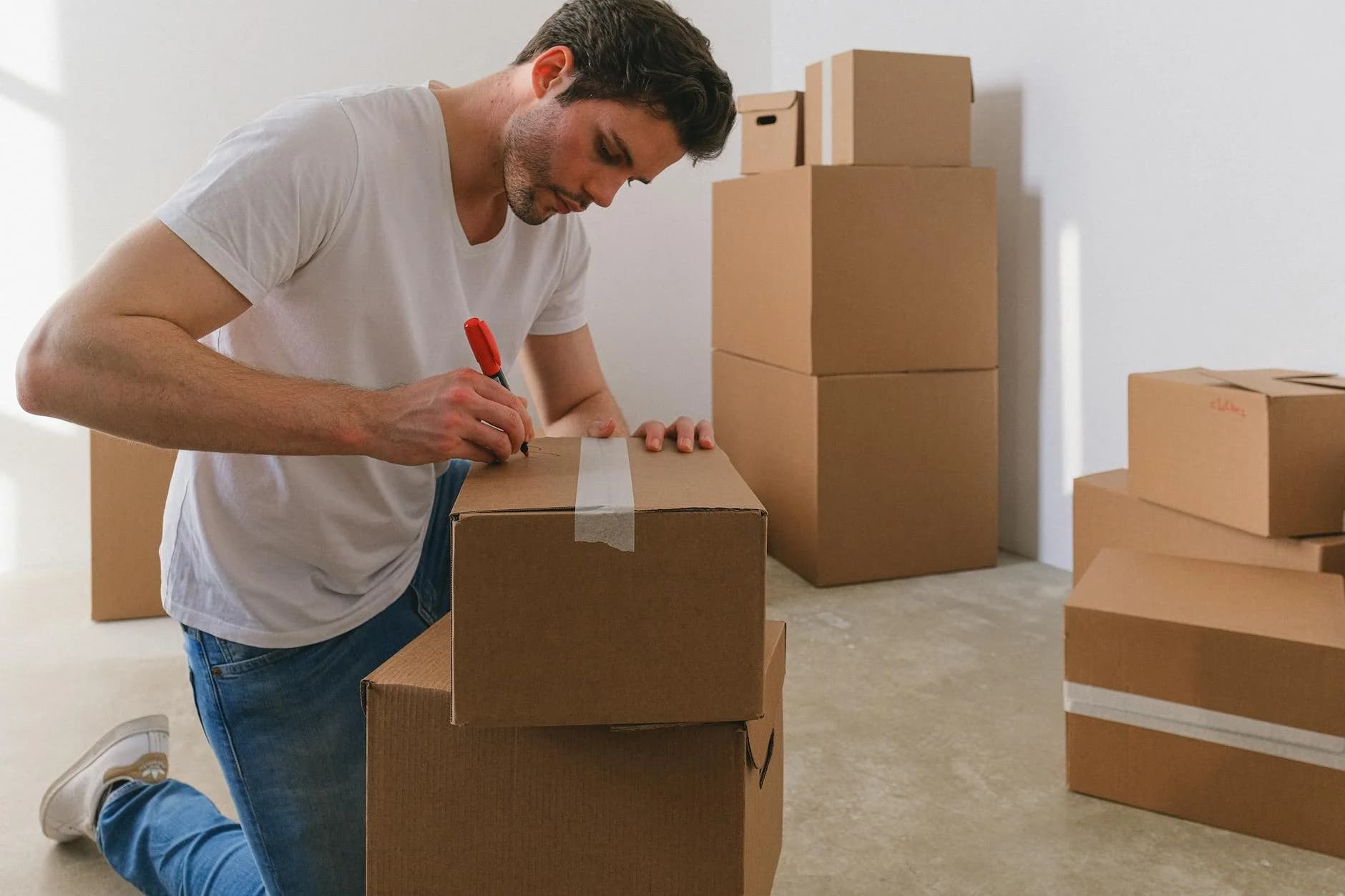
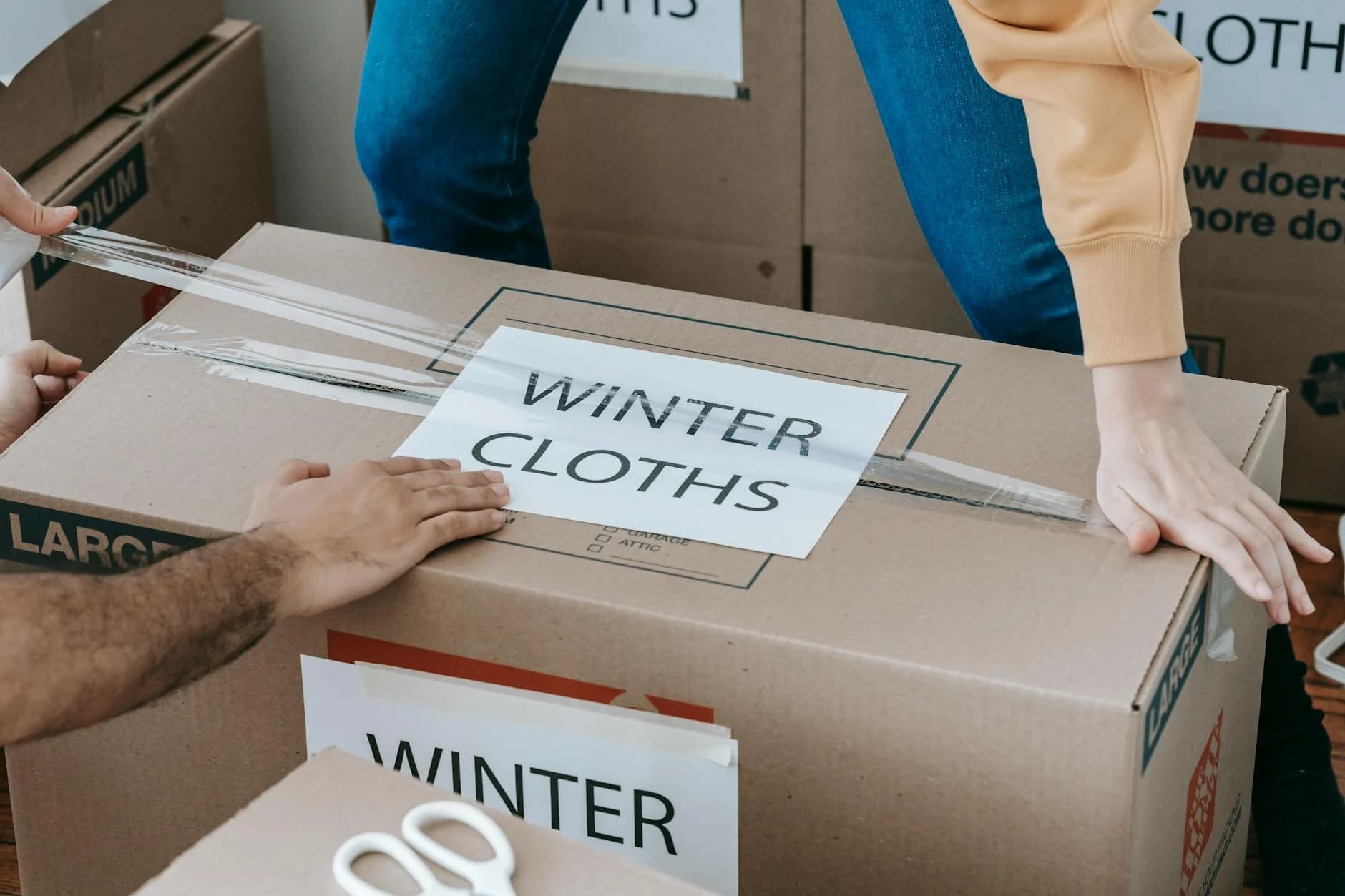
Label every box on multiple sides. Write the destination room and a brief contents list. "Kitchen - Plates and Bowls" tells movers exactly where to put the box. "Kitchen - Misc" tells them nothing useful. Use a thick permanent marker that won't smear.
Number your boxes and keep an inventory. A simple spreadsheet tracking box numbers and contents makes insurance claims easier if anything goes missing or breaks. It also helps you prioritize which boxes to unpack first.
Color-code by room. Assign each room a colored tape or sticker. Our crews can unload a truck much faster when every box heading to the master bedroom has blue tape and every kitchen box has red.
Start with low-use spaces. Guest bedrooms, storage closets, and seasonal item areas can be packed weeks early. The garage often holds things you haven't touched in years. Pack these first and stack boxes along walls.
Work toward high-use rooms. Kitchen, primary bathroom, and the bedroom you're sleeping in should be packed last. Even these rooms have items you can box up early, like formal china, extra towels, and out-of-season clothes.
Get the Right Supplies (Quality Matters)
Cheap boxes and weak tape cause more damage than anything else during a move. We've watched boxes fall apart mid-carry, spilling contents across parking lots and stairwells. The money saved on flimsy materials gets spent on replacing broken items.
Box sizes and quantities for a typical move:
| Box Type | Size | Best For | Quantity (3BR Home) |
|----------|------|----------|-------------------|
| Small | 16x12x12 | Books, canned goods, tools | 20-30 |
| Medium | 18x18x16 | Kitchenware, toys, small appliances | 30-40 |
| Large | 18x18x24 | Bedding, lampshades, bulky items | 15-20 |
| Extra Large | 24x18x24 | Pillows, stuffed animals, light bulky items | 5-10 |
| Wardrobe | 24x24x40 | Hanging clothes | 3-5 |
| Dish pack | 18x18x28 | Fragile dishes and glassware | 2-4 |
Other supplies you'll need:
- 1Packing tape (heavy-duty, at least 6 rolls)
- 2Packing paper (unprinted newsprint won't transfer ink)
- 3Bubble wrap for fragile items
- 4Furniture pads and moving blankets
- 5Permanent markers (multiple colors)
- 6Box cutter or scissors
- 7Mattress bags
- 8Stretch wrap for furniture drawers
Where to source boxes in Miami: Home Depot and Lowe's sell new boxes. Liquor stores often give away sturdy boxes for free. U-Haul sells used boxes at a discount. Nextdoor and Facebook Marketplace frequently list free moving boxes from recent movers.
Protect Fragile Items (The Right Way)
Breakage happens when items shift inside boxes or boxes get crushed during transport. Proper wrapping and box prep prevents both problems.
Prepare boxes before packing:
Line the bottom with 2-3 inches of crumpled packing paper. This creates a cushion that absorbs impact. Do the same on the sides if packing very fragile items.
Wrap items individually:
Each dish, glass, and fragile piece gets its own wrapping. Stack dishes vertically, not horizontally. Glasses should be nested and wrapped in bundles. Fill all gaps with paper so nothing shifts when the box moves.
Don't overfill boxes:
Heavy items in big boxes cause problems. Books in extra-large boxes become too heavy to lift safely and the bottom may give out. Keep heavy items in small boxes. A box that one person can't lift comfortably is too heavy.
The shake test:
Before sealing any box, give it a gentle shake. If you hear items rattling or feel them shifting, add more packing material. The contents should feel solid and stable.
Special handling for Miami moves:
South Florida's heat and humidity create unique challenges. Electronics should be transported in climate-controlled vehicles when possible. Wine collections need extra protection. Artwork and photographs can warp in hot trucks. We recommend packing these items last and unloading them first.
Pack Clothes and Linens Strategically
Clothes and bedding take up enormous space but rarely break. Smart packing techniques can cut the number of boxes you need significantly.
Wardrobe boxes for hanging clothes:
These tall boxes include a metal bar at the top. Transfer clothes directly from your closet without removing hangers. Each wardrobe box holds about 2 feet of closet space. Use the bottom space for shoes or folded items.
Vacuum bags for bulky items:
Comforters, pillows, winter coats, and puffy jackets shrink to a fraction of their size in vacuum storage bags. One $20 set of bags can replace 3-4 large boxes. Label bags clearly since you can't see inside once they're compressed.
Dresser drawers as packing:
For local moves, clothes can often stay in dresser drawers. Remove drawers, wrap them in plastic wrap to keep contents in place, and carry them separately. This saves packing time and boxes. For long-distance moves, empty dressers to reduce weight and prevent damage.
Suitcases earn their keep:
Fill your luggage with clothes, shoes, and soft items. They're designed for transport and roll easily. Don't leave suitcases empty when you have clothes to move.
Secure Valuables and Documents
Some items should never go in the moving truck. Loss, theft, or damage to these items creates problems that money can't always fix.
Keep with you (not in boxes):
- 1Jewelry and watches
- 2Cash and checkbooks
- 3Passports and birth certificates
- 4Social Security cards
- 5Property deeds and car titles
- 6Prescription medications
- 7House keys (old and new)
- 8Phone chargers and laptop
- 9One change of clothes per person
Create a valuables inventory:
Photograph or video record expensive items before the move. Note serial numbers for electronics. This documentation helps with insurance claims and proves condition before the move.
Understand your insurance options:
Most moving companies offer two types of coverage. Released value protection costs nothing but only covers 60 cents per pound per item. A 50-pound TV would only pay out $30. Full value protection costs more but covers the actual replacement cost or repair.
For truly valuable items like antiques, art, or collectibles, consider purchasing additional third-party insurance. Your homeowner's or renter's policy may also cover items during a move.
Load the Truck Like a Puzzle
How items go into a moving truck matters as much as how they're packed. Poor loading causes damage, wastes space, and makes unloading harder.
Loading order (first in, last out):
- 1Heavy furniture and appliances go in first, against the back wall
- 2Mattresses stand upright along side walls
- 3Large boxes fill the middle space
- 4Medium boxes stack on top of large boxes
- 5Small boxes fill gaps and top spaces
- 6Fragile items go on top or in the truck cab
- 7The "first night" box goes in last, right at the door
Weight distribution matters:
Heavy items should be low and centered. Distribute weight evenly side to side. An unbalanced truck handles poorly and corners can cause items to shift and fall.
Secure everything:
Use ratchet straps to anchor furniture to wall hooks. Place moving blankets between wood surfaces. Fill gaps with soft items so nothing has room to shift during transport.
The first-night box:
Pack one clearly labeled box with everything you'll need the first night: toilet paper, paper towels, snacks, bottled water, phone chargers, basic tools, medications, pet supplies, and a change of clothes. Load it last so you can grab it immediately after arrival.
Know When to Hire Help
DIY packing saves money, but it costs time and energy. For some moves, professional packing makes more sense.
Consider professional packing if:
- 1You're moving in less than 2 weeks
- 2You work long hours and can't pack evenings
- 3You have extensive fragile collections
- 4Physical limitations make packing difficult
- 5Your household has many rooms or lots of belongings
- 6You're moving for work and your employer covers packing costs
What professional packers do:
Trained packing crews arrive with all supplies. They wrap, box, and label everything in your home, typically completing a 3-bedroom house in one day. They know techniques for protecting delicate items and can handle specialty pieces like chandeliers, artwork, and antiques.
The hybrid approach:
Many customers pack most of their home themselves but hire pros for specific items. We often pack just the kitchen, fragile collections, or artwork while customers handle clothes, books, and basic items. This balances cost savings with protection for items that need expert handling.
Miami-Specific Packing Considerations
Moving in South Florida presents unique challenges that out-of-state guides don't cover.
Heat and humidity:
Never leave packed boxes in a hot garage or outdoor storage unit. Vinyl records, candles, chocolate, and some electronics can be damaged by heat. Photos may stick together. If you must store boxes before the move, keep them in air-conditioned spaces.
Hurricane season moves (June-November):
Keep important documents in waterproof containers during hurricane season moves. If a storm threatens, delay the move if possible. Moving trucks with your entire life inside shouldn't be on the road during tropical weather.
High-rise considerations:
Most Brickell and Downtown Miami buildings require elevator reservations for moves. Book early, often 2-4 weeks in advance. Understand the time limitations, which are typically 3-4 hours. Buildings may require a Certificate of Insurance from your moving company.
Condo association rules:
Many Miami condos restrict moving to specific days and hours. Some require protective floor and elevator coverings. Ask your building manager about requirements before scheduling your move.
Transfer Utilities and Update Records
Packing your belongings is only part of moving. Your services and records need to move too.
2-3 weeks before moving:
- 1Schedule utility disconnection at old address
- 2Schedule utility connection at new address (FPL, water, gas)
- 3Arrange internet and cable transfer or installation
- 4Submit USPS mail forwarding online or at your local post office
Moving week:
- 1Confirm all utility changeover dates
- 2Update address with bank and credit card companies
- 3Notify your employer's HR department
- 4Update vehicle registration with Florida DMV
- 5Transfer prescriptions to pharmacy near new address
After the move:
- 1Update driver's license within 30 days (required by Florida law)
- 2Register to vote at new address
- 3Update insurance policies (auto, home, health)
- 4Notify doctors, dentists, and other healthcare providers
What to Expect from Professional Packing
If you decide to hire packing services, knowing what happens makes the process smoother.
Before the crew arrives:
- 1Sort through belongings and remove items you're discarding
- 2Point out fragile or valuable items needing special attention
- 3Identify items you want to keep separate (first-night essentials, valuables)
- 4Ensure pathways are clear for moving boxes and supplies
During packing:
- 1Stay available to answer questions
- 2Designate one person as the contact for the crew
- 3Supervise without hovering (trust the professionals)
- 4Review labeling to ensure boxes go to correct rooms
Rapid Panda Movers' packing service includes:
- 1All boxes, tape, paper, and packing materials
- 2Systematic room-by-room packing
- 3Detailed labeling on all boxes
- 4Special wrapping for fragile items
- 5Furniture padding and protection
- 6Optional unpacking service at destination
Benefits of Professional Packing Services
Hiring professional packers delivers advantages that go beyond convenience:
Time savings: A trained crew packs a 3-bedroom home in 4-6 hours. The same job takes most homeowners 2-3 weekends. That's time you can spend handling utilities, saying goodbye to neighbors, or simply reducing stress.
Fewer damaged items: Professional packers use proper techniques daily. They know how much cushioning each item type needs, which boxes work for which contents, and how to secure everything for transport. Our crews see far fewer breakage claims than DIY moves.
Insurance coverage: Items packed by professionals typically qualify for full-value coverage. Self-packed boxes may only receive limited protection, leaving you on the hook for damage.
Reduced physical strain: Packing involves repetitive bending, lifting, and carrying. For seniors, people with health conditions, or anyone with a busy schedule, professional packing prevents injury and exhaustion.
Systematic organization: Every box gets labeled with contents and destination room. Your new home stays organized from the first box through the last, making unpacking faster and less chaotic.
Frequently Asked Questions
How many boxes do I need?
Plan for 10-15 boxes per room as a starting point. A 1-bedroom apartment typically needs 20-40 boxes. A 3-bedroom house often requires 60-100 boxes. Households with lots of books, collections, or keepsakes need more. When in doubt, buy extra boxes. Unused boxes can be returned to most retailers.
What should I pack last?
Pack these items the day before or morning of your move: toiletries you use daily, chargers, current medications, a few dishes and utensils, cleaning supplies for the old place, and one outfit per person. Keep important documents and valuables with you rather than packing them.
Can movers pack everything?
Yes, professional movers can pack your entire home. However, most companies won't pack hazardous materials (flammable liquids, propane tanks, chemicals), perishable food, or items prohibited by law. Discuss specific items with your moving company before pack day.
Should dresser drawers stay full?
For local moves, clothes can usually stay in dresser drawers if the dresser isn't overly heavy. Remove fragile items and anything breakable. For long-distance moves, empty drawers to reduce weight and prevent damage during extended transport.
How do I pack electronics?
Original boxes are ideal but not always available. Wrap screens with blankets or foam padding. Photograph cable connections before disconnecting. Use cable ties or bags to keep cords organized. Label which cables go with which device. Transport in climate-controlled vehicles when possible.
Related Services
Depending on your move, these services may help:
- 1Packing Services - Let our trained team handle some or all of your packing
- 2Local Moving - Full-service moves within the Miami metro area
- 3Residential Moving - Complete home-to-home relocations
- 4Storage Solutions - Short or long-term storage for items between homes
Ready to Pack (or Let Us Handle It)?
Packing doesn't have to overwhelm you. Start early, work systematically, and use quality materials. For items that need extra care, or when time is short, professional packing services take the stress out of the process.
Request your free quote and let us know how we can help with your next move. Whether you need full packing service, help with fragile items only, or just the moving itself, our team is ready.
Questions? Contact us or read customer reviews from Miami families we've helped move.