
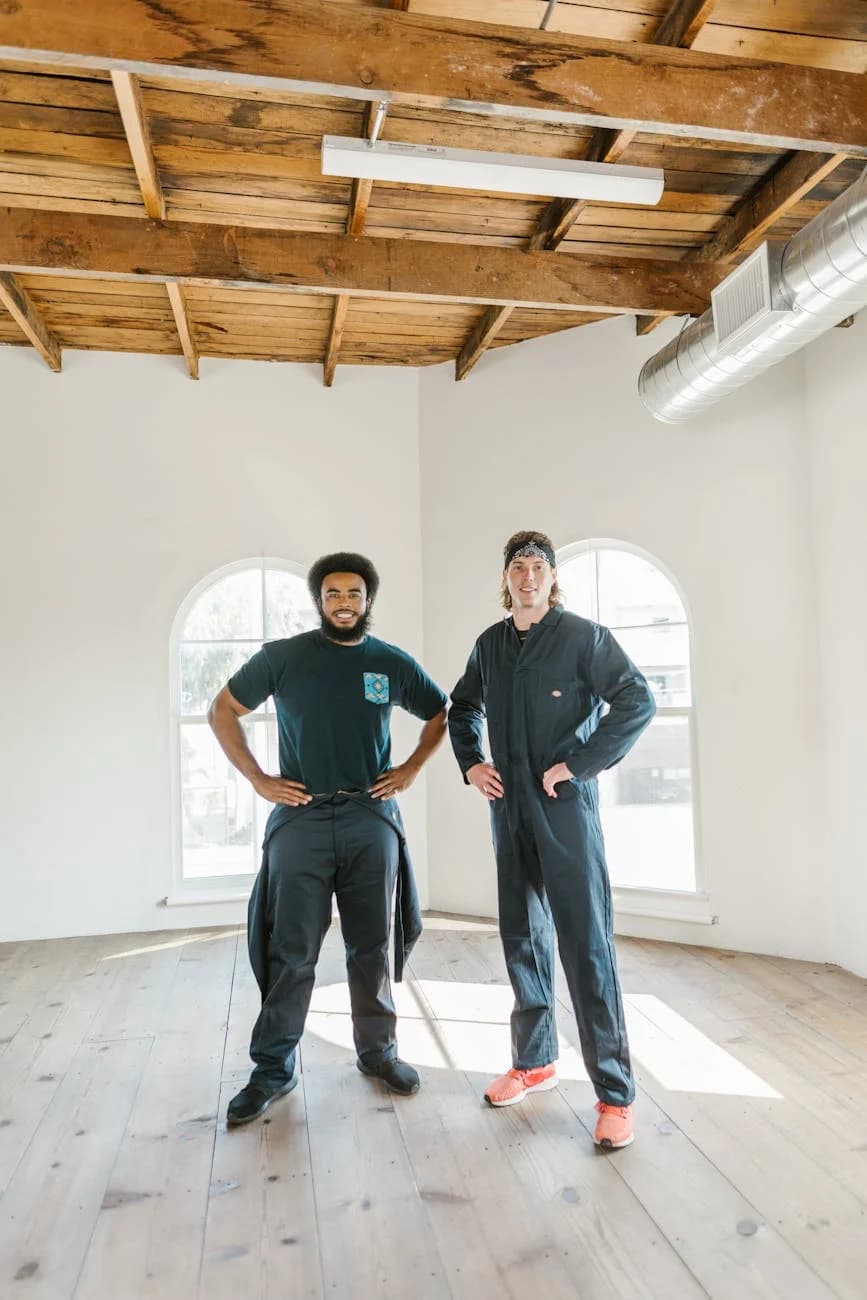
Hiring the wrong moving company can turn an exciting life transition into a nightmare.
Hiring the wrong moving company can turn an exciting life transition into a nightmare. We've all heard the horror stories: movers who hold belongings hostage, show up hours late, or damage irreplaceable items. The good news? A little upfront research goes a long way toward avoiding these situations.
This guide walks you through exactly how to vet local moving companies, compare quotes fairly, and spot the warning signs that separate reputable movers from ones you should avoid.
What Counts as a Local Move?
Local moves typically stay within 50 miles and are charged by the hour rather than by weight or distance. This pricing structure means the efficiency of your movers directly impacts your final bill.

Most local moving companies offer three service tiers:
- 1Labor-only or basic transport: You pack everything; they load, drive, and unload
- 2Full-service: Movers handle packing, loading, transport, unloading, and unpacking
- 3Specialty services: Piano moving, antique handling, gun safe relocation, or hot tub moves
Before comparing companies, verify that any mover you consider holds proper state licensing. In Florida, movers must register with the Department of Agriculture and Consumer Services. This registration protects you if something goes wrong.
Where to Find Local Moving Companies
Start your search with multiple sources to get a complete picture:
Google Business Profiles show ratings, reviews, photos, and whether the company responds to feedback. Look for movers with 4+ stars and at least 50 reviews.
The Better Business Bureau (BBB) reveals complaint history and how companies handle disputes. An A+ rating means something; an F rating is a clear warning sign.
Yelp and Facebook provide less filtered feedback than company websites. Pay attention to recent reviews since service quality can change over time.
Neighborhood groups and NextDoor often have honest recommendations from people who've used local movers recently. Real neighbors sharing real experiences carries weight.
Personal referrals remain valuable. If a friend's move went smoothly with a particular company, that's worth noting.
Checking Credentials and Experience
Price matters, but it shouldn't be your only consideration. A company that's $50 cheaper per hour but damages your furniture costs you far more in the end.
What to Verify Before Hiring
Business longevity: Companies that have been around 5+ years have a track record you can check. New companies aren't automatically bad, but they carry more unknowns.
State registration: In Florida, verify registration through the Department of Agriculture and Consumer Services. Ask for their registration number and look it up.
Insurance certificates: Request proof of general liability insurance and workers' compensation coverage. If a mover gets injured at your home and isn't covered, you could face liability.
Professional memberships: Membership in the American Trucking Associations' Moving and Storage Conference or Florida Movers and Warehousemen's Association suggests commitment to industry standards.
Understanding Pricing Models
Local movers typically charge in two ways:
Hourly Rates
Most Miami-area movers charge between $90-$150 per hour for a two-person crew with a truck. Rates increase with more movers or larger trucks.
Hourly billing works well for:
- 1Smaller moves (studios, one-bedrooms)
- 2Moves where you've done the packing
- 3Straightforward loading/unloading without stairs or long carries
The downside? Your final cost depends on how efficiently the crew works. A slow crew on the clock costs you more.
Flat-Rate Pricing
Some companies offer all-inclusive quotes based on an inventory assessment. You know the total cost upfront, regardless of how long the move takes.
Flat rates make sense for:
- 1Larger homes with more uncertainty
- 2Moves involving complications (stairs, narrow doorways, long walks)
- 3Anyone who wants cost certainty
The catch is you need to provide accurate information. Add items after the quote, and you'll pay more.
Insurance and Liability Coverage
Every mover offers basic coverage, but the protection level varies dramatically.
Released Value Protection (Basic)
This free coverage pays only 60 cents per pound per item. Your 50-pound TV worth $1,200 would get you $30 if damaged. Not great.
Full Value Protection
This upgraded coverage makes the mover responsible for the replacement value or repair cost of damaged items. It costs more but provides real protection for valuable belongings.
Your Homeowner's or Renter's Insurance
Check whether your existing policy covers belongings during a move. Some do; many don't. A quick call to your insurance agent can clarify.
Pro tip: Take photos of valuable items before the move. If something gets damaged, you'll have documentation of its pre-move condition.
How to Read Reviews Effectively
Not all reviews carry equal weight. Here's how to separate useful feedback from noise.
Look for Specific Details
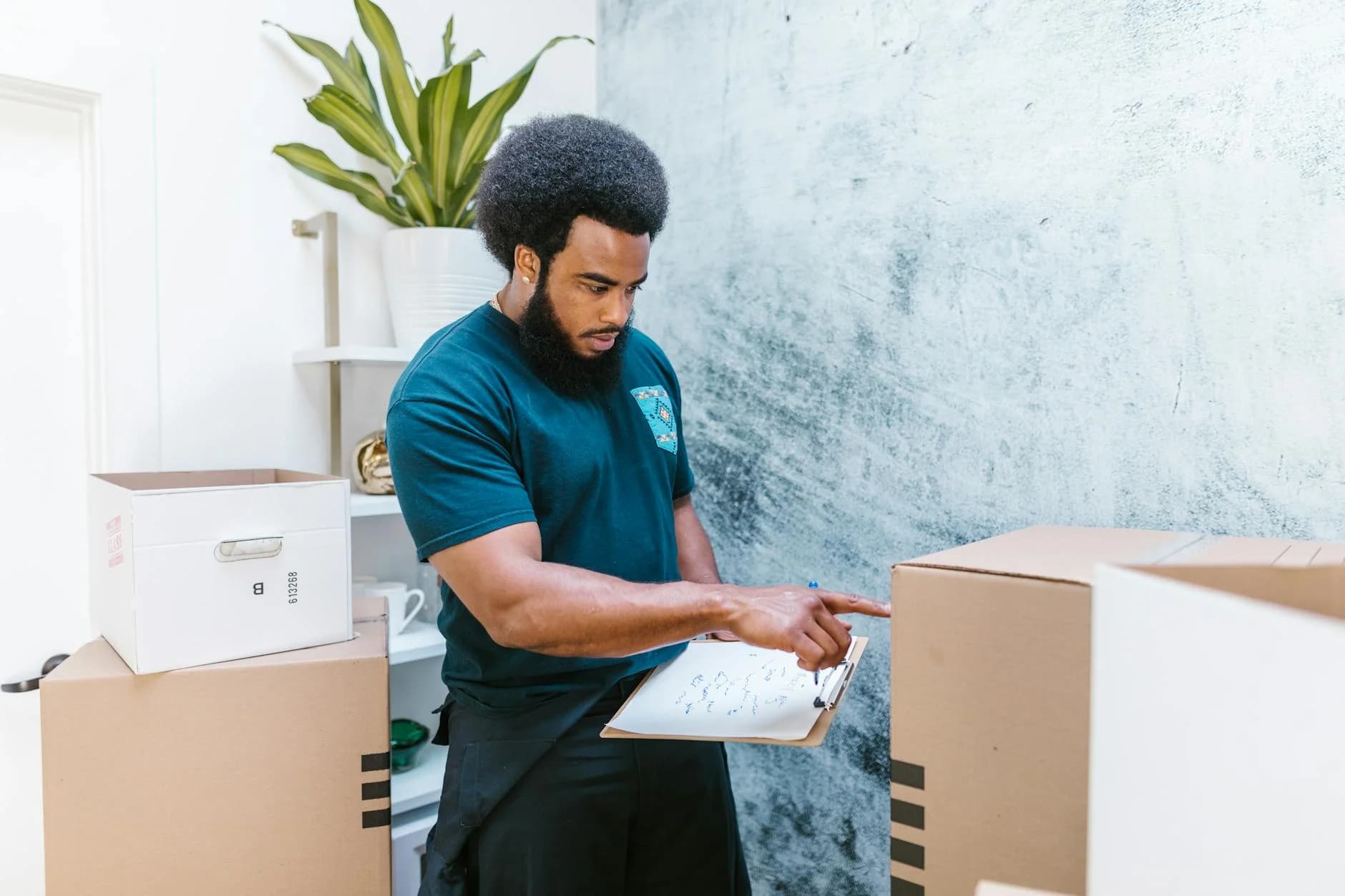
"Great movers!" tells you nothing. "The crew arrived 10 minutes early, wrapped every piece of furniture in moving blankets, and finished our 2-bedroom move in under 4 hours" tells you a lot. Prioritize reviews that describe actual experiences.
Check Multiple Platforms
A company might have glowing Google reviews but terrible BBB complaints. Cross-reference at least two platforms before forming an opinion. Patterns matter more than individual reviews.
Read the Negative Reviews Carefully
Every company has unhappy customers. What matters is:
- 1Do complaints mention the same issues repeatedly?
- 2How does the company respond to criticism?
- 3Are the complaints about the service itself or unrealistic expectations?
A company that responds professionally to negative reviews and offers to resolve issues demonstrates accountability.
Comparing Quotes Apples to Apples
Getting three quotes is standard advice, but comparing them fairly requires attention to detail.
Make Sure You're Comparing the Same Services
One quote at $400 might include packing materials while another at $350 doesn't. Ask each company to itemize:
- 1Hourly rate and minimum hours
- 2Travel time charges
- 3Fuel surcharges
- 4Packing material costs
- 5Stair fees or long-carry charges
- 6Disassembly/reassembly fees
Questions to Ask During the Estimate
About the crew: How many movers will be assigned? Are they employees or day laborers?
About equipment: Do they provide furniture pads, dollies, and straps at no extra charge?
About timing: What's the arrival window? What happens if they're late?
About problems: What's the claims process if something gets damaged?
About payment: What forms of payment do you accept? When is payment due?
Red Flags That Should Stop You Cold
Most moving companies operate honestly, but scams do exist. Watch for these warning signs.
Pricing Red Flags
Quotes significantly below competitors: If one company quotes $400 when everyone else quotes $800, something's wrong. They'll likely add fees on moving day or hold your belongings hostage.
Large upfront deposits: Reputable movers might ask for a small deposit (10-20%), but demanding 50% or more upfront before any work starts signals trouble.
Cash-only payment: Professional companies accept credit cards and checks. Cash-only requirements make disputes nearly impossible to resolve.
Company Red Flags
No physical address: A P.O. box or vague "service area" location without an actual office suggests a fly-by-night operation.
Generic truck branding: Legitimate movers have clearly marked trucks. Unmarked rental trucks or magnetic signs can indicate unlicensed operators.
Can't provide license number: If a company hesitates or refuses to give you their state registration number, walk away.
Recent name changes: Search the BBB and Google for the company name. Multiple name changes often indicate an attempt to escape bad reviews.
Preparing for Moving Day
Once you've chosen your mover, preparation ensures everything goes smoothly.
Before the Movers Arrive
Create a detailed inventory: List everything being moved and note the condition of valuable items. Take photos. This documentation protects you if anything goes missing or gets damaged.
Label boxes by room: Clear labels help movers work faster and ensure boxes end up in the right places. Color-coding works even better.
Set aside valuables and essentials: Jewelry, important documents, medications, and anything irreplaceable should travel with you, not in the moving truck.
Clear pathways: Remove rugs that could cause tripping. Make sure hallways and doorways are obstacle-free.
On Moving Day
Be present or designate someone: Questions will come up. Someone needs to be available to answer them and direct traffic.
Do a walkthrough with the crew leader: Point out fragile items, tricky pieces, and anything that needs special attention.
Confirm details: Verify the delivery address, your phone number, and payment terms before loading begins.
Check your old place: Do a final walkthrough after loading to make sure nothing got left behind.
After the Move
Inspect Everything Immediately
Check your belongings before the crew leaves. Note any damage on the bill of lading and take photos. Reporting issues after the movers leave makes claims harder to process.
File Claims Promptly
Most moving companies require damage claims within 90 days. Don't wait. Document everything and submit claims while details are fresh.
Leave an Honest Review
Your experience helps the next person making the same decision. Mention specifics: Was the crew on time? Did they handle items carefully? Would you use them again? Detailed reviews benefit everyone.
Benefits of Hiring Professional Local Movers
Why pay for professional movers when you could rent a truck and recruit friends? Here's what you actually get:
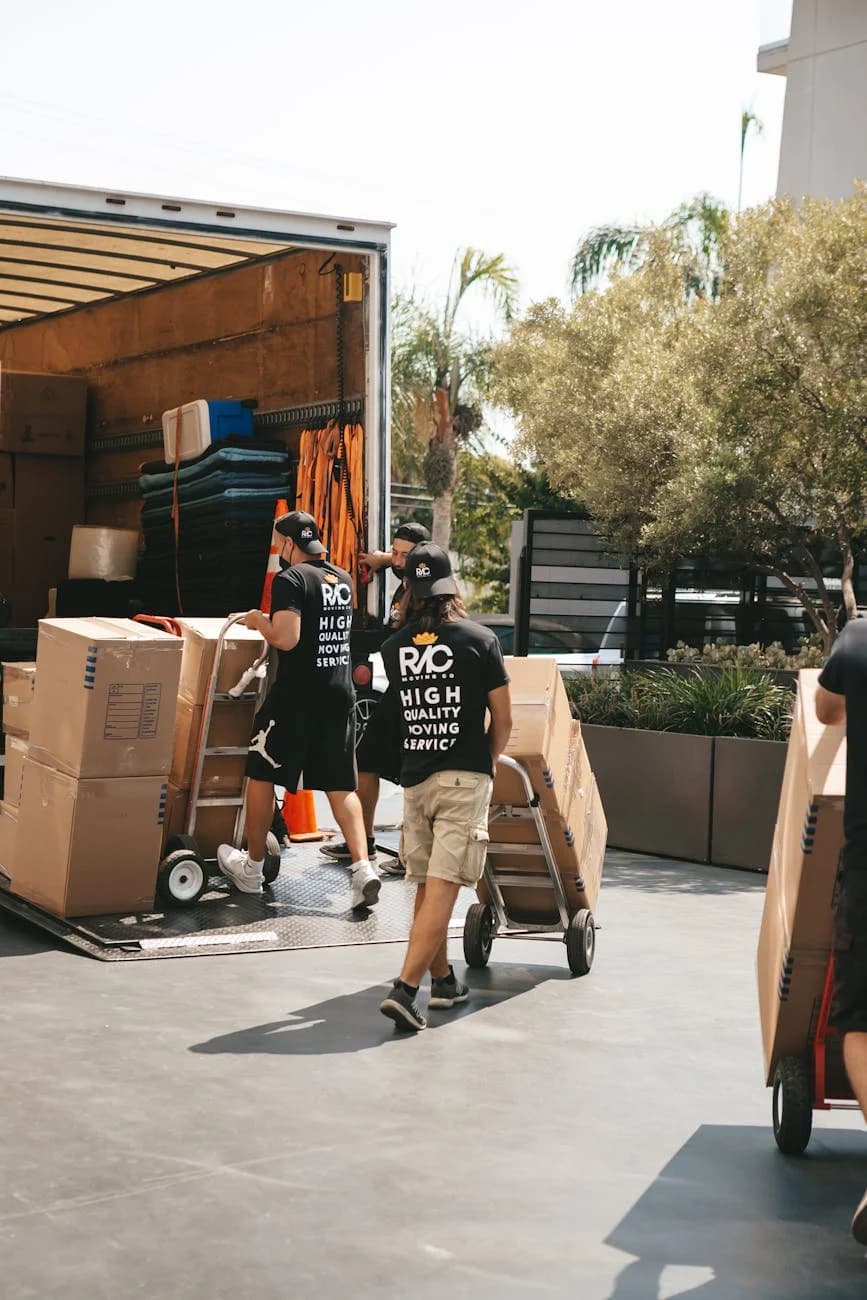
Speed: A trained two-person crew can typically complete a one-bedroom move in 3-4 hours. The same move with inexperienced helpers often takes 6-8 hours or more.
Proper equipment: Professional movers bring furniture dollies, appliance dollies, moving blankets, straps, and ramps. Renting this equipment separately adds up quickly.
Injury prevention: Back injuries from improper lifting are common among amateur movers. Professional crews know how to lift safely and have the equipment to move heavy items without strain.
Damage reduction: Experienced movers know how to maneuver through tight corners, protect doorframes, and secure items in the truck. Fewer scratches, fewer dings, fewer broken items.
Insurance coverage: If something breaks during a DIY move, you absorb the loss. Professional movers provide liability coverage.
Less overall stress: Moving is exhausting. Handing the physical work to professionals lets you focus on the logistics of actually relocating your life.
What to Expect from Rapid Panda Movers
When you hire us for local moving, you can expect:
- 1Free Consultation: We assess your needs and provide a transparent quote with no hidden fees
- 2Professional Crew: Uniformed, trained moving professionals who treat your home with respect
- 3Quality Materials: High-quality packing materials and equipment to protect your belongings
- 4Careful Handling: Every item treated with care from start to finish
- 5On-Time Service: We arrive when promised and complete your move on schedule
Frequently Asked Questions
How much does local moving cost in Miami?
Local moving costs in Miami typically range from $90-$150 per hour for a two-person crew with a truck, depending on the company and services needed. Most local moves take 3-8 hours, with total costs averaging $400-$1,200 for a one-bedroom and $800-$2,500 for a three-bedroom home.
How far in advance should I book local movers?
Book your local movers 2-4 weeks in advance for most moves. During peak season (May-September), aim for 4-6 weeks ahead. Last-minute bookings are sometimes possible but may limit your options and cost more.
What should I do if items are damaged during the move?
Document any damage immediately with photos and notify your moving company right away. File a claim according to the mover's procedures, typically within 90 days of delivery. Having a detailed inventory helps support your claim.
Are there items that movers won't transport?
Most movers won't transport hazardous materials (propane, gasoline, chemicals), perishable food, plants, pets, or high-value items like jewelry and important documents. Pack these items yourself and transport them in your personal vehicle.
Related Services
Depending on your needs, you might also consider:
- 1Packing Services - Professional packing to protect your belongings during transport
- 2Full-Service Moving - Complete door-to-door solutions including packing and unpacking
- 3Residential Moving - Specialized services for house-to-house relocations
Ready to Get Started?
You now know how to research movers, compare quotes fairly, and spot red flags. The next step is getting estimates from a few companies that pass your initial screening.
At Rapid Panda Movers, we're happy to answer your questions and provide a transparent quote with no hidden fees. We've served the Miami area for years and built our reputation on showing up on time, treating belongings with care, and charging fair prices.
Request your free quote and see how we compare. We're confident in our service and welcome the scrutiny.
Have questions first? Contact us or check out our customer reviews to see what clients say about their experience.