
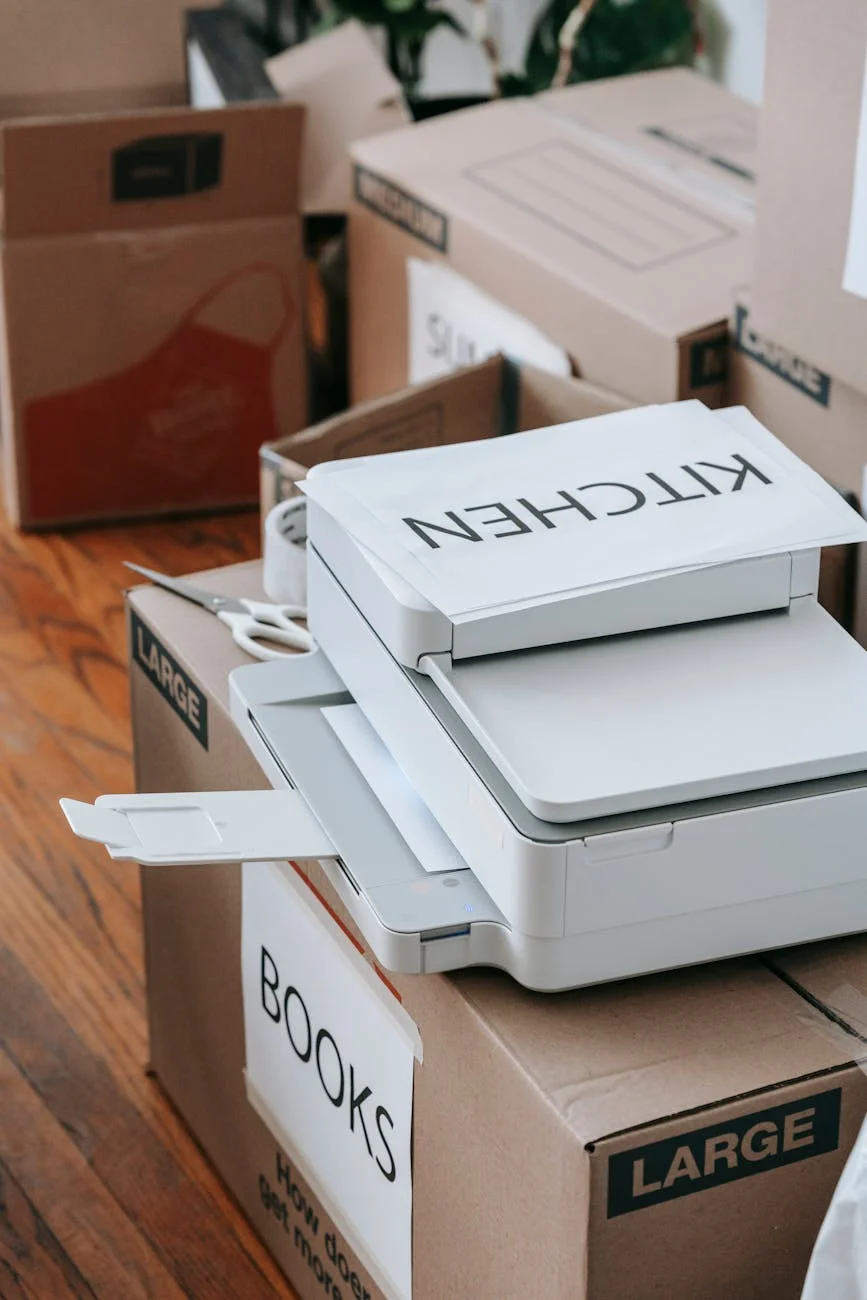
Plan your office move this July with strategies to minimize downtime and business disruption.
Office relocations require precise planning to minimize business disruption. Commercial moving involves unique challenges that residential moves don't face, including IT infrastructure, employee coordination, and the need to maintain business continuity.
July offers Miami businesses a strategic window for relocation. While hurricane season is active, daily patterns are manageable with proper planning. Many companies use mid-year timing to settle into new spaces before the busy Q4 push.
The Cost of Downtime
Business disruptions during an office move carry significant financial impact:

- 1Medium to large companies lose approximately $300,000 for every hour of IT downtime
- 2Studies show disruptions can cost up to $5,000 per minute
- 3Lost productivity affects revenue, customer relationships, and employee morale
Proper planning minimizes these risks and keeps your business operational throughout the transition.
Planning Timeline
Most commercial moves require 3-6 months of proper planning:
6 Months Before
- 1Form a move team representing all departments
- 2Begin evaluating new space requirements
- 3Get quotes from commercial moving specialists
- 4Create a detailed timeline with milestones
3 Months Before
- 1Finalize moving company selection
- 2Begin IT transition planning
- 3Communicate timeline to employees, clients, and vendors
- 4Start inventory of furniture and equipment
1 Month Before
- 1Confirm all logistics with moving company
- 2Complete IT backup procedures
- 3Assign packing responsibilities by department
- 4Schedule after-hours move dates if needed
1 Week Before
- 1Final data backups
- 2Label all equipment and furniture
- 3Distribute new office information to staff
- 4Confirm IT setup schedule at new location
IT Relocation Strategy
Technology infrastructure requires specialized attention:
- 1Transition plan: Document steps for disconnecting, transporting, and reconnecting systems
- 2Cable labeling: Clearly label all cables and equipment to speed reinstallation
- 3Priority setup: Schedule IT setup before employees arrive
- 4Backup systems: Implement temporary communication solutions during transition
Your IT team should oversee technical aspects while professional movers handle physical transport.
Minimizing Disruption Strategies
Consider After-Hours Moves

Clients who move outside business hours report up to 50% less productivity loss. Weekend or evening moves allow:
- 1IT systems to be operational before Monday morning
- 2Employees to arrive at a functioning workspace
- 3No interruption to client-facing operations
Phased Relocation
Moving one department at a time:
- 1Reduces whole-company disruption
- 2Maintains productivity during transition
- 3Allows handling of unforeseen issues
- 4Keeps at least part of the business fully operational
Remote Work Options
Enable employees to work from home during the transition:
- 1Eliminates individual productivity loss
- 2Reduces stress on both staff and movers
- 3Maintains client service continuity
Labeling and Organization
Clear organization prevents chaos at the new location:
- 1Use color-coded labels by department
- 2Number boxes with detailed content descriptions
- 3Create comprehensive inventory lists
- 4Mark furniture with destination room/desk assignments
Budget Considerations
Include these often-overlooked costs:
- 1Moving insurance for equipment
- 2Temporary storage if needed
- 3Cleaning services for old and new spaces
- 4Potential downtime costs
- 5IT consultant fees for setup assistance
- 6Emergency fund for unexpected issues
While summer is peak season for residential moves, commercial moving often has better availability in July. Miami's commercial moving rates may drop 15-20% after Labor Day as demand shifts.
Miami Business District Considerations
Each Miami business district has specific logistics to plan for:
Brickell: High-rise buildings require freight elevator reservations, often weeks in advance. Building management typically restricts moves to evenings and weekends. Loading dock access is competitive, so book early.
Downtown Miami: Street parking permits may be needed for moving trucks. One-way streets and construction detours are common, so plan routes carefully.
Doral: Industrial parks offer easier access but longer distances from employee residences. Consider employee commute changes when relocating here.
Coral Gables: The city's historic preservation rules may affect signage installation at your new location. Miracle Mile buildings often have strict move-in procedures.
Wynwood: Limited parking and narrow streets mean smaller trucks may be necessary. The arts district attracts foot traffic that can slow loading and unloading.
Post-Move Support
The first week in your new location sets the tone:

- 1Focus on getting essential systems operational first
- 2Create a dedicated support channel for staff issues
- 3Quickly resolve misplaced items or IT glitches
- 4Address secondary setup tasks as time permits
Frequently Asked Questions
How much does commercial moving cost in Miami?
Commercial moving costs vary based on office size, equipment complexity, and building requirements. A small office (under 2,000 sq ft) typically costs $1,500-$3,000, while larger corporate moves can range from $5,000 to $25,000 or more. Brickell and Downtown high-rises often add $500-$1,000 for building fees and special access requirements.
How long does a typical office move take?
Small offices can be moved in one day, often over a weekend. Mid-size offices (50-100 employees) typically require 2-3 days. Large corporate relocations may span 1-2 weeks with phased department moves.
Should we move on a weekend or weeknight?
Weekend moves minimize business disruption but may cost 10-15% more. Weeknight moves (after 6pm) work well for smaller offices and keep costs lower. The best choice depends on your IT setup complexity and client-facing requirements.
Related Services
- 1Office Moving - Specialized office relocation
- 2Full-Service Moving - Complete coordination and setup
- 3Packing Services - Professional packing and labeling
Ready for Your Commercial Move?
Request your free quote today. Our commercial moving teams understand IT equipment handling, after-hours scheduling, and minimizing business disruption.
Read our customer reviews to see how we help Miami businesses relocate efficiently.