
What to expect in Miami Gardens: sports culture, community events, neighborhoods, and relocation tips.
Congratulations on your move to Miami Gardens! As Florida's largest city with a predominantly African American population, Miami Gardens offers a unique cultural experience, world-class sports entertainment, and suburban tranquility just minutes from Miami's urban core. Here's what life looks like after you've unpacked those boxes.
Your First Month in Miami Gardens
The first few weeks after moving are important for settling in. Miami Gardens operates at a relaxed pace compared to neighboring cities, which many new residents find refreshing. You'll notice neighbors are genuinely friendly and often wave or stop to chat during evening walks.
Getting Oriented
Start by exploring your immediate neighborhood. Miami Gardens is divided into distinct areas, each with its own personality:
- 1Carol City: The historic heart of Miami Gardens, featuring established homes and mature landscaping
- 2Norland: A family-oriented area with good schools and quiet streets
- 3Lake Lucerne: Waterfront properties and nature access near lakes and canals
- 4Scott Lake: Newer developments with modern amenities
- 5Andover: Mix of single-family homes and townhouse communities
Benefits of Living in Miami Gardens
Affordability Without Sacrifice
Miami Gardens offers significantly more affordable housing than neighboring cities like Aventura, Miami Beach, or Coral Gables. Your dollar stretches further here, allowing you to purchase or rent larger homes with yards rather than small condos.
Sports and Entertainment Hub
Hard Rock Stadium isn't just a building, it's the heartbeat of Miami Gardens. Home to the Miami Dolphins, the stadium also hosts:
- 1Miami Open tennis tournament
- 2Major concerts and festivals
- 3College football championship games
- 4Super Bowls and international soccer matches
Living near the stadium means easy access to world-class entertainment without the hassle of long drives home after events.
Strong Community Identity
Miami Gardens has a distinct cultural identity that sets it apart from other South Florida communities. Jazz in the Gardens, one of the largest jazz festivals in the country, attracts top performers annually. The city's Betty T. Ferguson Recreational Complex offers extensive programs for all ages.
What to Expect: Daily Life Realities
Traffic Patterns
Miami Gardens straddles I-95 and the Florida Turnpike, giving you excellent north-south mobility. However, expect congestion on NW 27th Avenue and around Hard Rock Stadium during events. Pro tip: Use the 826 (Palmetto Expressway) as an alternate route during peak hours.
Shopping and Dining
The Calder Casino area and Miami Gardens Drive corridor provide most daily necessities. For grocery shopping, you'll find Publix, Walmart, and ethnic markets catering to Caribbean and Latin American cuisines. The city lacks upscale dining but excels in authentic Caribbean restaurants and soul food.
Parks and Recreation
Miami Gardens maintains 26 parks spanning over 500 acres. Popular spots include:
- 1Betty T. Ferguson Recreational Complex: Swimming, fitness center, and community programs
- 2Rolling Oaks Park: Tennis courts, basketball, and walking trails
- 3Brentwood Park: Playground and picnic areas perfect for families
- 4Bunche Park: Sports fields and community events
Healthcare Access
Jackson North Medical Center serves as the primary hospital in the area. For specialized care, you're within 20 minutes of major medical centers in Miami and Fort Lauderdale.
Neighborhood Breakdown: Where to Explore First
For Families with Children
The Carol City area near Miami Carol City Senior High School offers established neighborhoods with larger lots. Norland provides access to good schools and family-oriented programs. Check out the city's free after-school programs at various community centers.
For Young Professionals
The areas near Hard Rock Stadium attract those who want entertainment access. Newer developments near the Turnpike offer modern apartments with amenities. The city's proximity to both Miami and Fort Lauderdale makes commuting feasible.
For Retirees
Lake Lucerne and Andover neighborhoods provide quieter living with established community associations. The city's senior programs at Betty T. Ferguson offer social activities, fitness classes, and cultural events.
Practical Tips for New Residents
Utility Setup
- 1FPL (Florida Power & Light): Electric service throughout the city
- 2Miami-Dade Water and Sewer: Water and wastewater services
- 3Waste Management: Garbage and recycling pickup, typically twice weekly
Vehicle Registration
Visit the Miami-Dade Tax Collector's office within 30 days of establishing residency. Florida has no state income tax, but you'll pay registration fees based on vehicle weight.
Hurricane Preparedness
Your first hurricane season requires preparation. Stock supplies in June before the season starts. Miami Gardens sits inland, reducing direct coastal storm impacts, but you'll still experience strong winds and heavy rain during storms.
Frequently Asked Questions
Is Miami Gardens safe?
Like many urban areas, safety varies by neighborhood. The city has invested in community policing and crime prevention programs. Overall crime rates have decreased in recent years. Choose neighborhoods carefully and take standard precautions.
What are property taxes like?
Miami-Dade County property taxes average around 2% of assessed value. Florida offers homestead exemption for primary residences, reducing your tax burden. Factor this into your housing budget.
How are the public schools?
Miami-Dade County Public Schools serves the area. School quality varies; research specific schools before choosing a neighborhood. Several charter schools operate in the city as well.
Is there public transportation?
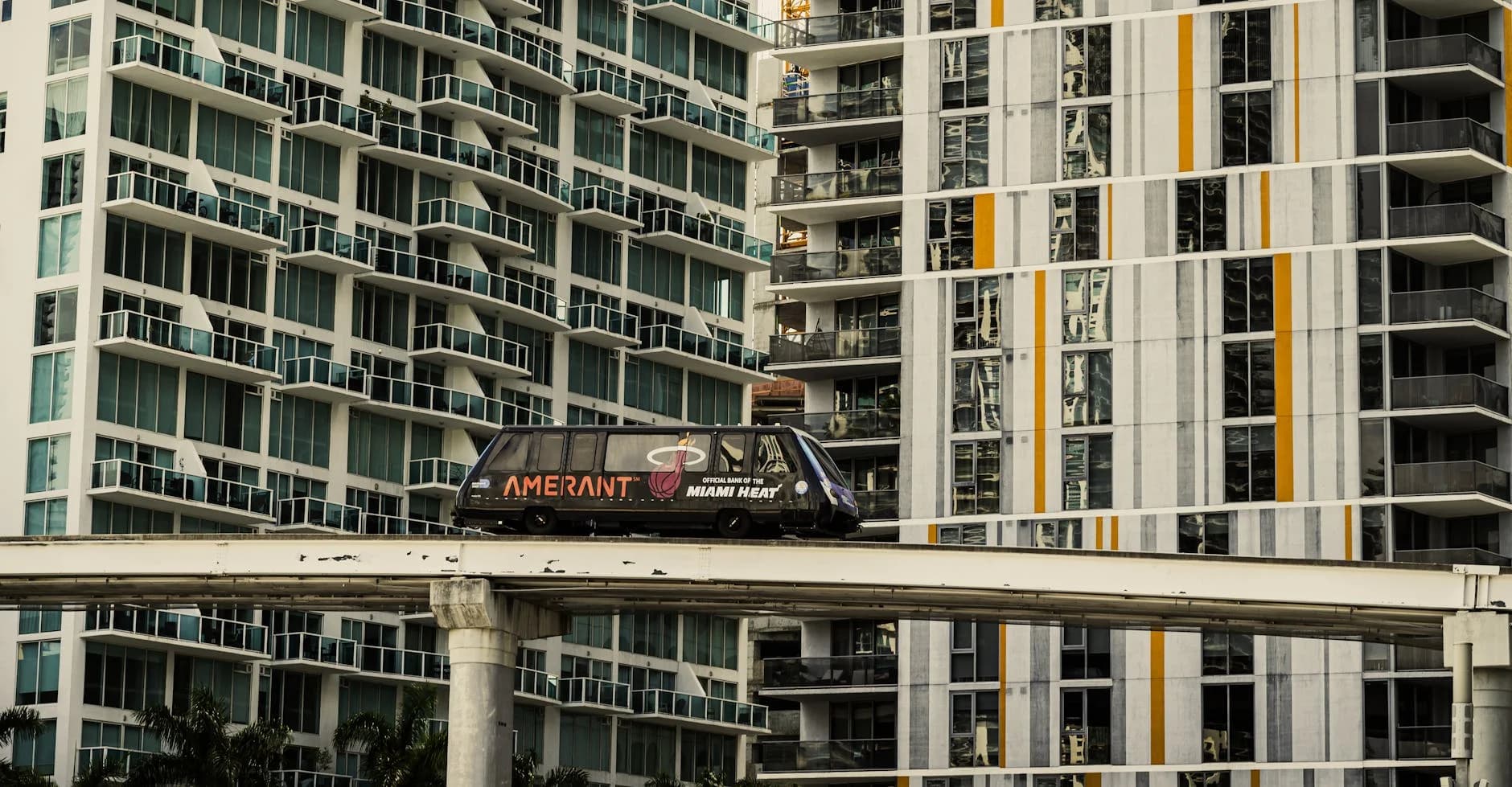
Miami-Dade Transit buses serve major corridors, but most residents rely on personal vehicles. The city's layout makes driving the most practical transportation option.
What's the cost of living?
Miami Gardens costs approximately 15-20% less than central Miami. Groceries and utilities match county averages. Housing remains the biggest savings compared to coastal communities.
Related Services for Your Move
After settling in, you may need additional moving assistance:
- 1Storage Solutions: If you're downsizing or renovating, secure storage options are available
- 2Packing Services: Professional packing for fragile or valuable items during reorganization
- 3Apartment Moving: For moves within multi-unit buildings in the area
- 4Commercial Moving: If you're relocating a business to Miami Gardens
Ready to Complete Your Move to Miami Gardens?
Whether you need help with the final phase of your relocation or know someone planning a move to Miami Gardens, our experienced team understands this community inside and out. We've helped hundreds of families settle into Miami Gardens neighborhoods.
Get your free quote for moving services in Miami Gardens. From local relocations within Miami-Dade to helping you organize your new home, we're here to help.
Have questions about moving to Miami Gardens? Contact us or read reviews from other Miami Gardens residents we've helped relocate.