From Brickell's urban heat island to Key Biscayne's ocean breezes, learn how Miami's microclimates affect your moving day and neighborhood choice.
Most people think of Miami as one big tropical blanket of heat and humidity. But anyone who has lived here knows that a March afternoon in Brickell feels nothing like the same afternoon on Key Biscayne. Miami's microclimates vary surprisingly by neighborhood, and understanding those differences can shape both your moving day plans and your long-term quality of life.
The Urban Heat Island: Brickell and Downtown
Brickell and Downtown Miami sit under a canopy of glass and concrete that absorbs heat all day and radiates it back at night. Temperatures in these neighborhoods regularly run 5 to 8 degrees Fahrenheit hotter than coastal areas just a few miles away. Parking garages, asphalt streets, and the sheer density of high-rises create a thermal mass that makes summer evenings feel oppressive even after sunset.
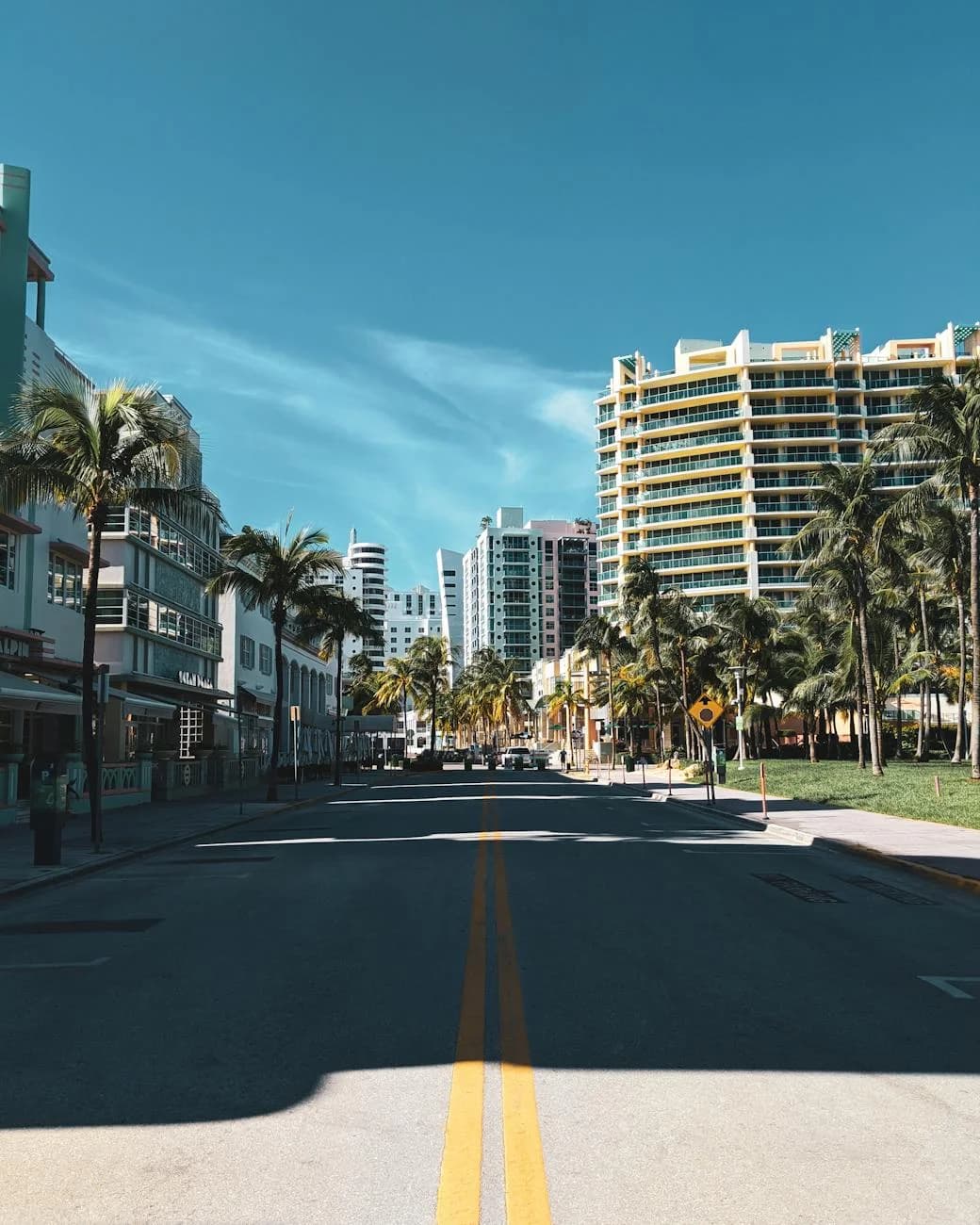
For movers, this means scheduling matters. A move into a Brickell high-rise during a March afternoon can still push temperatures into the high 80s at street level. If your unit faces west, the elevator lobby and hallways will be even warmer. Early morning starts make a real difference here.
Key Biscayne and Miami Beach: Ocean Breezes and Salt Air
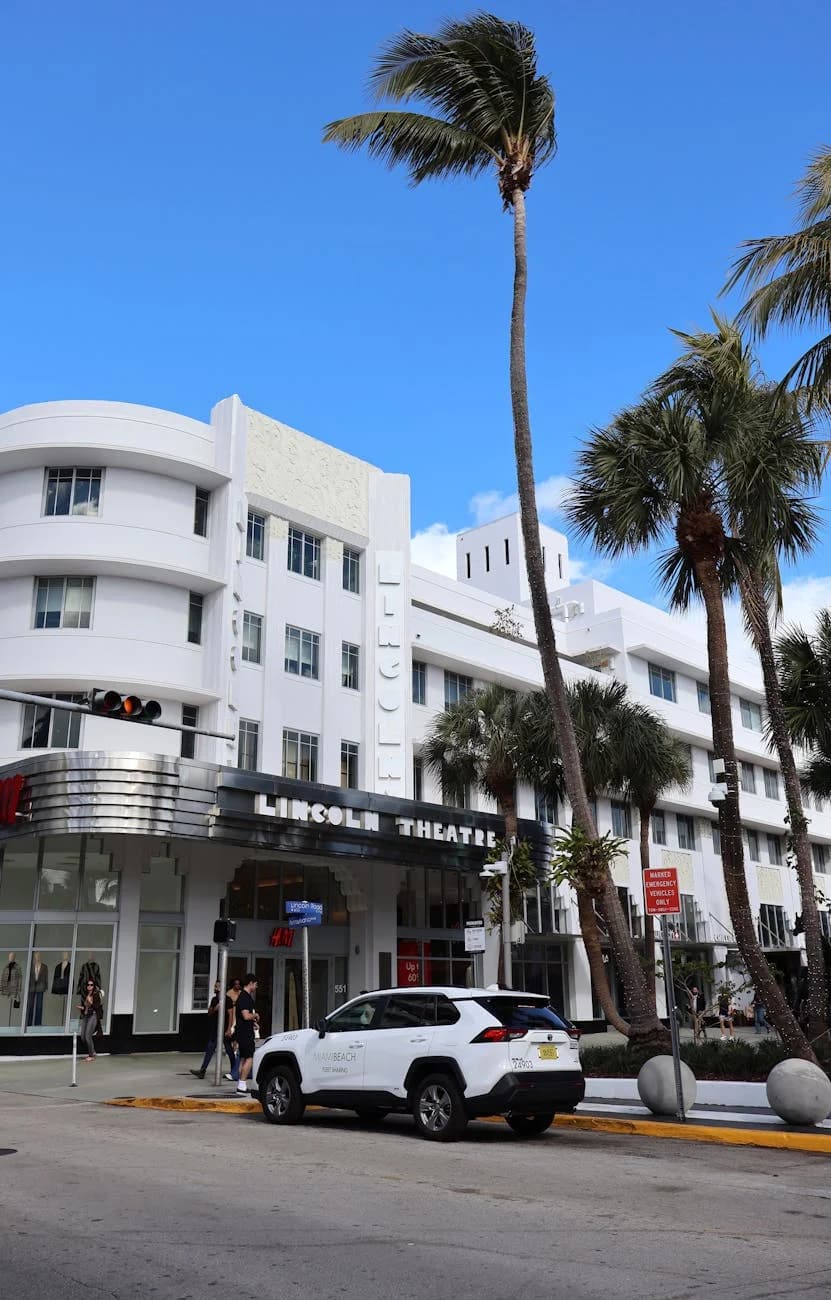
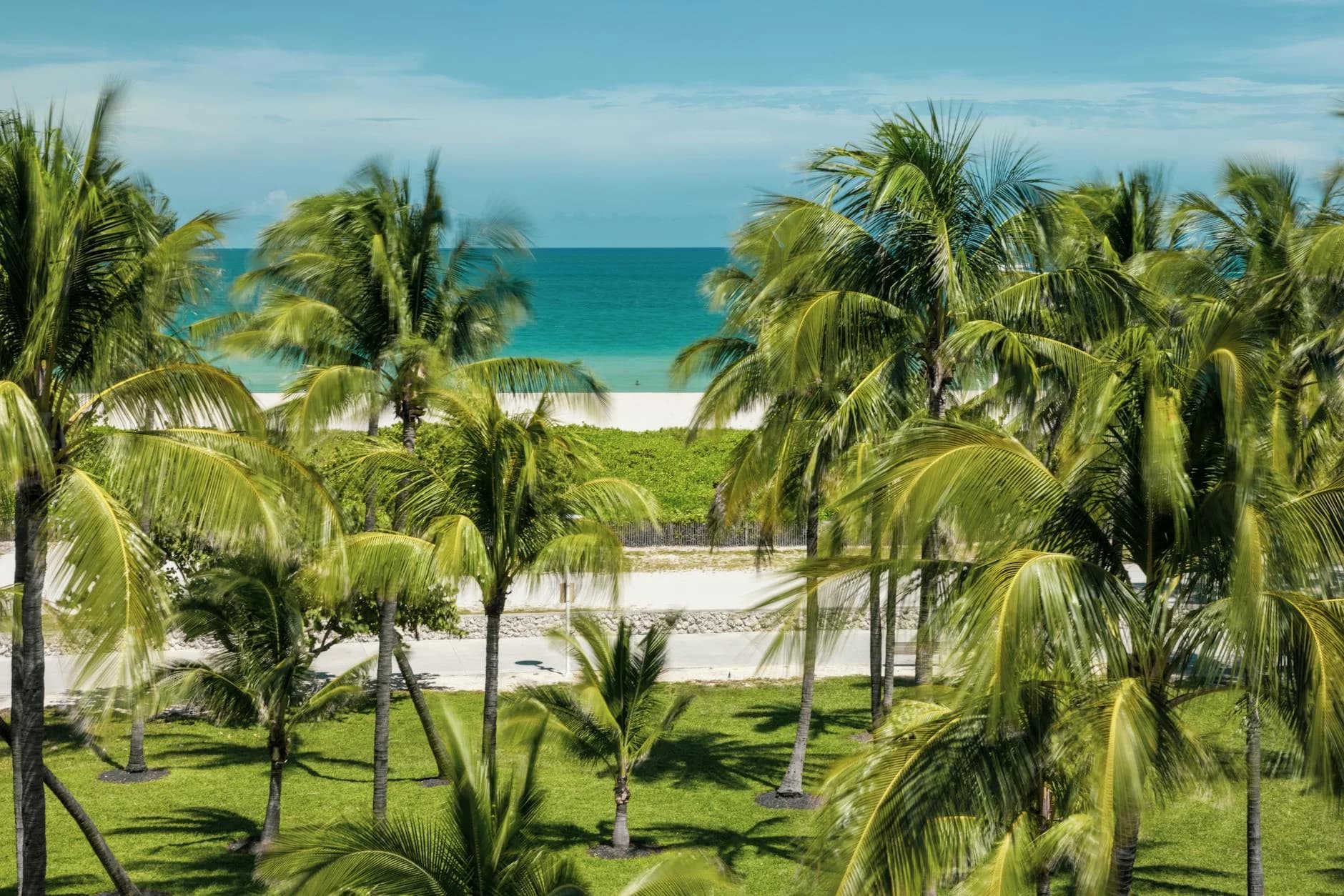
Cross the Rickenbacker Causeway to Key Biscayne or drive out to Miami Beach, and you will notice the temperature drop almost immediately. Steady ocean breezes off the Atlantic keep these barrier islands 5 to 10 degrees cooler than inland neighborhoods during peak afternoon heat. The tradeoff is salt air, which accelerates corrosion on metal furniture, electronics, and anything left exposed during a move.
If you are moving to either area, wrap metal items carefully and avoid leaving furniture on an open loading dock for extended periods. Salt air is relentless, and even a few hours of exposure can leave a film on polished surfaces.
Coconut Grove: The Canopy Effect
Coconut Grove's dense tree canopy creates its own climate. Mature banyans, oaks, and tropical hardwoods shade streets and homes, keeping ground-level temperatures noticeably cooler than surrounding neighborhoods. Walk from a treeless stretch of US-1 into the Grove's residential streets and you can feel the difference immediately.
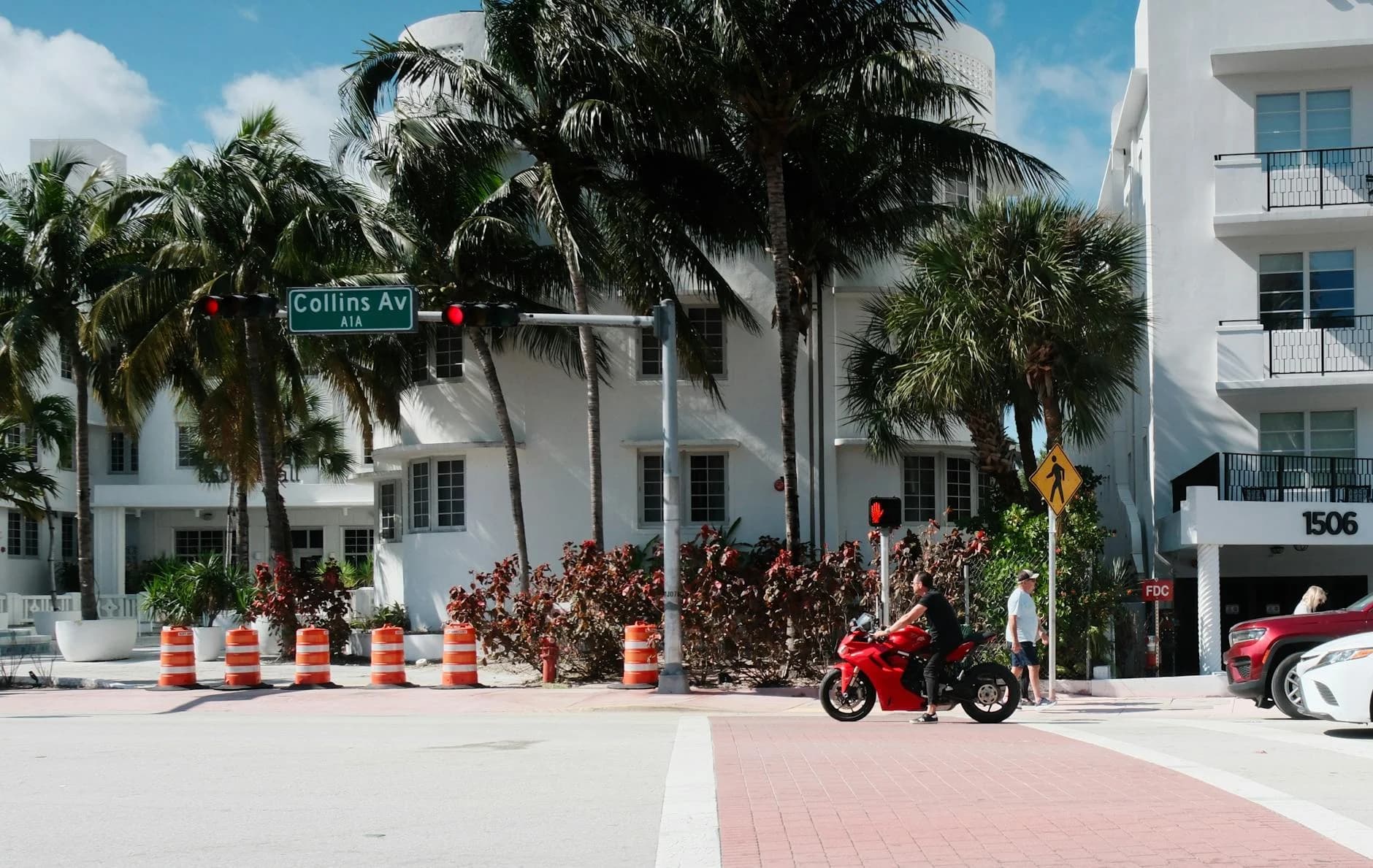
The downside is humidity. That canopy traps moisture, making the air feel thick and still on calm days. Mosquitoes thrive in these conditions, especially during the spring wet season that begins ramping up in March. If you are moving into the Grove, keep doors and windows closed during the move to avoid inviting insects inside, and run the AC as soon as the power is connected.
Inland Neighborhoods: Doral, Kendall, and Homestead
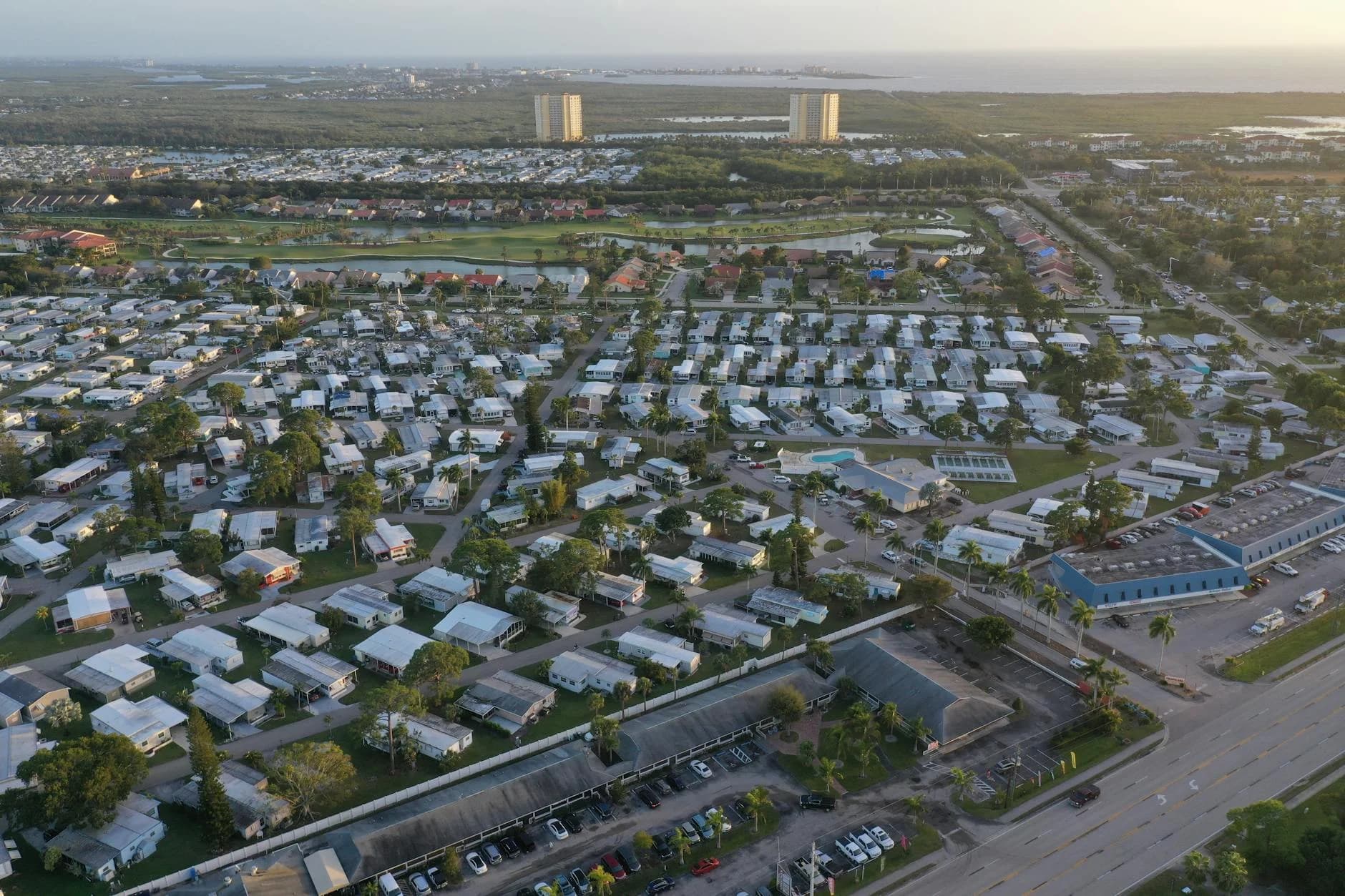
Move west or south from the coast and the ocean breeze disappears entirely. Doral, Kendall, and Homestead sit far enough inland that summer highs regularly exceed what coastal neighborhoods experience. Without the moderating effect of the Atlantic, these areas also see wider temperature swings between day and night.
The upside for movers is that these neighborhoods generally have wider streets, easier truck access, and more straightforward parking. The downside is that afternoon moves in these areas are genuinely grueling from late spring through early fall.
Flood Zones: What Your Neighborhood's Climate Means for Risk
Miami's microclimates extend below ground level too. Brickell's low elevation combined with its proximity to Biscayne Bay makes it one of the most flood-prone neighborhoods in Miami-Dade County. Miami Beach has invested billions in raised roads and pump systems, but king tides still cause street flooding several times a year. Meanwhile, neighborhoods like Pinecrest and Palmetto Bay sit at slightly higher elevations and drain more effectively.
Before choosing a neighborhood, check FEMA flood maps for your specific address. Flood zone designation affects insurance costs, and those costs should factor into your moving budget.
How This Affects Your Move
Spring in Miami brings rising humidity, afternoon thunderstorms that appear with little warning, and temperatures that climb steadily through March and March. Here is how to use microclimate knowledge to your advantage:
- 1Schedule by neighborhood. Coastal moves can handle a midday start. Inland or downtown moves should start at dawn.
- 2Protect against humidity. Wrap upholstered furniture in plastic and use silica gel packets in boxes containing electronics or documents.
- 3Watch the forecast by zip code. A thunderstorm cell can drench Doral while Brickell stays dry. Check radar, not just the general Miami forecast.
- 4Plan for salt air if moving to any barrier island. Extra wrapping on metal items is not overkill.
Choose the Right Neighborhood for You
Understanding how Miami's weather varies block by block helps you pick a neighborhood that fits your lifestyle. Whether you prefer the energy of Brickell's urban core or the breezy calm of Key Biscayne, knowing what you are signing up for climatically will prevent surprises after move-in day.
Our Miami movers handle relocations across every neighborhood in the metro area and know the logistical quirks of each one.
Related Services
- 1Local Moving — Full-service local moves across Miami-Dade
- 2Packing Services — Professional packing with humidity protection
- 3Residential Moving — House and condo moves throughout South Florida
Ready to Plan Your Miami Move?
Get a personalized quote based on your specific neighborhood and moving needs. Request a free quote, read what our customers say in our reviews, or contact us to talk through the details with our team.