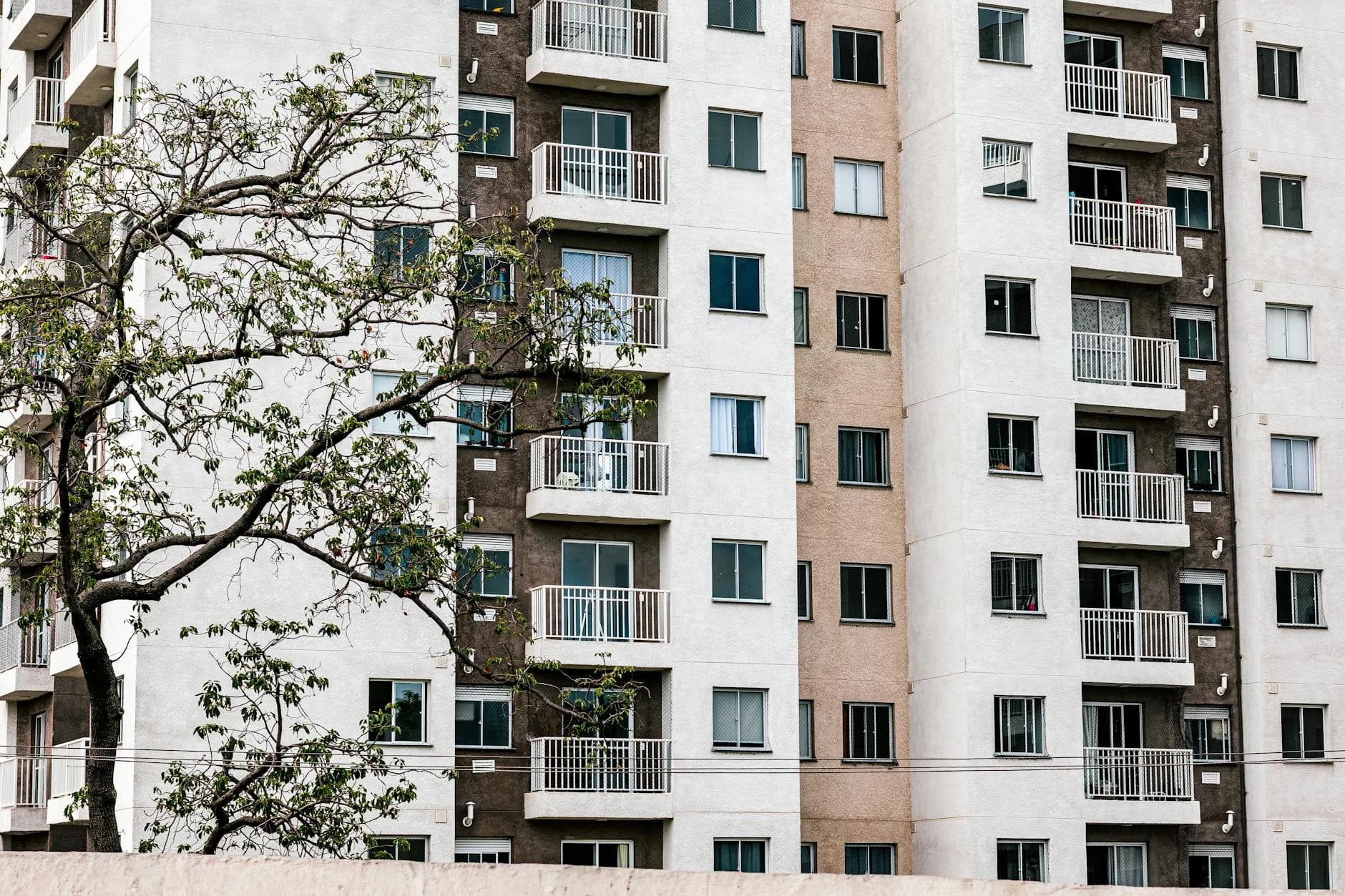

Essential packing tips for apartment moves, including room-by-room guides, labeling strategies, and smart packing techniques.
Moving from one apartment to another doesn't have to be a source of dread. At Rapid Panda Movers, we understand the unique challenges that come with apartment relocations.
Whether you're moving to a high-rise in Brickell, a waterfront condo in Edgewater, or a cozy apartment in Coral Gables, our full-service moving company is geared up to make your transition as smooth as possible. From securing your belongings to handling tight elevator schedules and narrow hallways common in Miami's older buildings, we've got the expertise you need. Here are some essential packing tips that will turn the chaos of moving into an organized, stress-free experience.
Pre-Packing Essentials
Before you start filing boxes, a little preparation can go a long way. Begin with Creating a realistic timeline for packing to avoid the last-minute rush. Try to start packing at least 2-3 weeks before your move date, giving yourself ample time to organize and pack everything carefully.

Next, tackle the Decluttering phase. This is the perfect opportunity to sort through your belongings and decide what you're keeping, selling, donating, or discarding. Ask yourself if you've used the item in the last year and if it holds significant value. Decluttering not only lightens your load but also makes unpacking much easier.
Creating an Inventory list of your belongings is a fantastic way to keep track of your items throughout the move. List everything you plan to move, categorize items by room, and note the condition of valuable items. An inventory will also be helpful if you need to file a claim for any damaged items during the move.
Room-by-Room Packing Guide
Packing room by room helps to break down the overwhelming task of packing your entire apartment. Here's how you can approach each space:
Kitchen: Start with non-essentials like baking dishes and out-of-season items. Wrap dishes in packing paper and sturdy boxes. Use original boxes for appliances when possible.
Bedroom: For clothes, consider vacuum-sealing off-season outfits and transporting hanging clothes in garbage bags or special wardrobe boxes. Books should be packed in small boxes to prevent them from getting too heavy.
Living Room: Wrap electronics with anti-static bubble wrap and secure them in boxes. Use picture boxes for framed photos and artwork.
Bathroom: Seal caps on toiletries with tape to prevent leaks and pack towels and linens in large boxes.
Packing Materials and Where to Find Them
Having the right packing materials is key to protecting your belongings during the move. Here's a list of essential Packing Materials you'll need:
Boxes: Invest in various sizes. Small boxes are great for heavy items like books, while larger boxes are perfect for lighter items like linens.
Packing Paper and Bubble Wrap: For wrapping and cushioning fragile items.
Packing Tape: To securely seal your boxes.
Marker Pens: For labeling your boxes.
While moving supplies can be purchased from hardware stores or moving companies, you can also find Cost-effective Sourcing options. Check with local stores for free boxes or ask friends and family if they have supplies they no longer need. Websites like Craigslist or Facebook Marketplace can also be good sources for second-hand moving supplies.
Miami Weather Tip: Given South Florida's humidity and frequent afternoon rain showers, consider using plastic bins or waterproof bags for items that could be damaged by moisture. If you're moving during hurricane season (June through November), keep an eye on the forecast and have a backup plan ready.
Smart Packing Strategies
Packing smart can save you a lot of time and stress. Here are some Efficient Packing tips:
Use Luggage: Fill suitcases and duffel bags with items like clothing, sheets, or books. These can also be used for transporting heavy items since they are easy to roll.
Box-in-Box Method: For extra fragile items, consider double boxing. Place the item in a small box and then put that box inside a larger one with padding in between for extra protection.
"Last In, First Out" Approach: Pack the items you'll need immediately upon arrival in a clearly labeled "essentials" box. This includes items like toiletries, a change of clothes, and basic kitchenware.
Labeling: A Critical Step for Organization
Proper labeling is vital for keeping your move organized and ensuring that boxes end up in the right room. Follow these labeling practices:
Detailed Labels: Write the room, contents, and any special handling instructions (like "fragile" or "this side up") on multiple sides of each box.
Color Coding: Assign a color to each room and use colored stickers or tape to quickly identify where each box belongs.
Numbering System: Numbering each box and keeping a master inventory list can help keep track of your items and ensure nothing gets lost.
Handling Fragile Items with Care
Packing delicate items requires extra attention. Here's a step-by-step guide for securing your fragile belongings:
Wrap Individually: Use bubble wrap or packing paper to wrap each fragile item separately.
Secure with Tape: Make sure the wrapping is secured with tape so it doesn't unwrap during the move.
Fill Gaps: Use crumpled packing paper or packing peanuts to fill any gaps in the box to prevent items from shifting.
Use Special Boxes: Specialty boxes like dish pack boxes are designed for extra protection for dishes and glassware.
Label as Fragile: Clearly mark boxes containing fragile items so movers know to handle them with care.
Maximize Space in Your Moving Boxes
Efficient use of space not only means fewer boxes to move but also lowers the risk of items moving around and getting damaged. Here are some tips to Maximize Space:
The Art of Tetris: Think of packing a box like playing Tetris. Rotate and rearrange items to fit snugly, leaving as little empty space as possible.
Heavy Items at the Bottom: Place heavier items at the bottom of the box and lighter items on top. This provides a stable base and prevents lighter items from getting crushed.
Fill All Gaps: Use clothing, towels, or packing paper to fill any gaps in the boxes. This prevents shifting and helps protect your items.
By packing efficiently, you also make the loading and unloading process faster and safer for everyone involved.
Day-of-Move Checklist
The day of the move can be hectic, so having a Checklist ensures nothing is overlooked. Here's a brief rundown of key tasks:

Essentials Box: Make sure your box of essentials is packed last and accessible upon arrival at your new home.
Final Sweep: Do a final walkthrough of every room, closet, and cabinet to ensure nothing is left behind.
Utilities Check: Ensure all utilities are turned off in your old apartment and set up in your new one.
Important Documents: Keep documents like lease agreements, moving company contracts, and personal identification readily available.
Unpacking Tips for a Smooth Transition
Unpacking in your new apartment is the final step in your move. Here are some strategies to Unpack Efficiently:
Unpack Essentials First: Start with the essentials box to make your first night comfortable without needing to rummage through everything.
Room-by-Room Approach: Similar to packing, tackle one room at a time, starting with areas of high importance like the kitchen and bathroom.
Decorate Later: Focus on putting things away functionally first. You can worry about decoration and organization nuances once everything is out of the boxes.
Benefits of Professional Packing Services
While DIY packing is certainly an option, professional packing services offer significant advantages:
- 1Time Savings: Professional packers can complete in hours what might take you days
- 2Expert Handling: Trained professionals know how to pack fragile and valuable items safely
- 3Quality Materials: Moving companies use commercial-grade packing supplies for better protection
- 4Insurance Coverage: Items packed by professionals are typically covered under moving insurance
- 5Reduced Stress: Delegate the tedious work and focus on other aspects of your move
What to Expect on Moving Day
Understanding what happens on moving day helps you prepare mentally and logistically:
- 1Arrival: Your moving team will arrive at the scheduled time and do a walkthrough
- 2Protection: Movers will lay floor runners and protect doorways and corners
- 3Loading: Items are systematically loaded with heavy furniture first
- 4Transport: Your belongings are secured and transported safely
- 5Unloading: Boxes and furniture are placed in designated rooms
- 6Final Walkthrough: Review the delivery and sign off on the job
Frequently Asked Questions
How far in advance should I start packing for an apartment move?
We recommend starting 2-3 weeks before your move date. Begin with rarely used items and work toward everyday essentials as moving day approaches.
What items should I pack in my essentials box?
Pack toiletries, medications, phone chargers, a change of clothes, basic kitchen items (paper plates, utensils), important documents, and snacks. This box should be the last loaded and first opened.
Should I let movers pack everything?
For most apartment moves, having movers handle packing saves time and ensures proper protection. However, you should personally pack valuables, important documents, and sentimental items.
How do I pack electronics safely?
Use original boxes when possible. Otherwise, wrap electronics in anti-static bubble wrap, secure cords with rubber bands, and label all cables. Take photos of cable connections before disconnecting.
What shouldn't I pack for movers to transport?
Hazardous materials (paint, propane, chemicals), perishable food, plants, valuable jewelry, cash, and important personal documents should be transported personally.
Related Services
To make your apartment move even easier, consider these additional services from Rapid Panda Movers:
- 1[Apartment Moving](/miami-apartment-moving): Full-service apartment relocation with experienced crews
- 2[Packing Services](/miami-packing-services): Professional packing by trained experts
- 3[Local Moving](/miami-local-moving): Efficient moves within the Miami area
- 4[Storage Solutions](/miami-storage-solutions): Secure storage for items that need temporary housing
Additional Services by Rapid Panda Movers to Ease Your Apartment Move
At Rapid Panda Movers, we go beyond just transporting your belongings. Our Smart Moving Services are designed to make your apartment move in Miami, FL, as smooth as possible:
Packing and Unpacking: Our trained professionals can efficiently pack and unpack your belongings, ensuring their safety throughout the moving process.
Furniture Disassembly and Reassembly: We take care of large pieces, so you don't have to deal with the hassle of figuring it out yourself.
Storage Solutions: If your new apartment isn't ready or you need to downsize, we offer secure storage options.
With Rapid Panda Movers, you get a partner dedicated to making your move stress-free.
Ready to Start Your Apartment Move?
As you get ready for your move, remember that preparation, organization, and the right support can make all the difference. By following these packing tips and considering the services available with Rapid Panda Movers, you can look forward to a smooth transition into your new apartment. Packing might seem daunting, but with a strategic approach, it becomes an achievable task leading to your next chapter in your new home.
For all your moving needs, Rapid Panda Movers in Miami, FL, is your trusted ally. Get a free quote today and let us help you make this move your best one yet.