Expert tips for moving a gun safe up stairs safely. Equipment needed, techniques, and when to hire professional movers.
Moving a gun safe up stairs ranks among the most challenging household moving tasks. These safes typically weigh 500 to 2,000 pounds, and one wrong move on stairs can result in serious injury or property damage. With proper preparation, the right equipment, and a solid team, you can complete this task safely.
Planning and Preparation
Before you lift anything, invest time in planning. This preparation prevents injuries and damage.
Assess the Weight and Dimensions
Check your safe's manual or manufacturer's website for exact specifications. Most residential gun safes weigh between 500 and 1,200 pounds, though larger models can exceed 2,000 pounds. Measure the height, width, and depth, including any handles or hinges that add to the overall dimensions.
Be honest about your team's capabilities. Moving a 1,000-pound safe up stairs requires at least four strong adults, and even then, specialized equipment makes the difference between a safe move and a trip to the emergency room.
Measure Your Path
Walk the entire route from the safe's current location to its destination. Measure:
- 1Doorways and hallways: Check both width and height clearance
- 2Staircase width: Account for handrails that reduce usable space
- 3Height clearance: Low ceilings at the top of stairs are common problems
- 4Turns and landings: Tight corners require extra maneuvering room
A safe that fits through a doorway might not clear a 90-degree turn at the top of the stairs.
Create a Clear Path
Remove everything from the moving route:
- 1Wall decorations and picture frames
- 2Furniture that narrows hallways
- 3Loose rugs that create slip hazards
- 4Shoes, toys, and other floor items
Secure pets in a closed room away from the moving path. A startled dog underfoot during a heavy lift creates a dangerous situation.
Team Coordination
Assign specific roles before the move begins. Designate one person as the caller who gives commands. Everyone else follows those commands without improvising. Establish clear signals for "stop," "hold," and "emergency set down."
Review the entire plan with your team. Walk through the route together so everyone knows what to expect at each stage.
Gathering Equipment
Professional-grade equipment transforms this job from dangerous to manageable. Borrowing basic moving supplies from a neighbor will not cut it for a heavy safe.
Required Equipment
Heavy-duty stair-climbing dolly: Standard hand trucks cannot handle safe weights on stairs. Look for stair-climbing dollies rated for at least 1,200 pounds with large, treaded wheels designed for step edges.
Moving straps: Forearm forklift straps or shoulder dolly systems distribute weight across your body rather than concentrating it in your hands and back. These straps work best with two people working in sync.
Furniture sliders: Large, heavy-duty sliders help position the safe at the start and end of the move without dragging it across floors.
Protective gear: Steel-toed boots protect your feet if the safe shifts unexpectedly. Heavy-duty gloves provide grip and prevent blisters. Back support belts remind you to lift properly.
Where to Get Equipment
Most hardware stores rent heavy-duty moving equipment by the day. Call ahead to confirm they have stair-climbing dollies rated for your safe's weight. Equipment rental typically runs $50 to $100 per day, a small price compared to professional moving costs or injury-related expenses.
Look for equipment from trusted brands like Harper Trucks, Magline, or Wesco. Consumer-grade equipment from big-box stores often has lower weight ratings that may not handle your safe.
Protecting Your Property
Walls, floors, and stair railings take a beating during heavy moves. Prevention costs less than repairs.
Wall and Floor Protection
Cover walls along the moving path with moving blankets or furniture pads, especially at corners and tight spots where the safe might brush against surfaces. Tape the protection in place so it does not shift during the move.
Lay down floor protection on hardwood, laminate, or tile surfaces. Cardboard works for light protection, but heavy-duty floor runners provide better coverage for this weight class.
Securing the Safe to the Dolly
Wrap the safe with moving blankets before strapping it to the dolly. This protects both the safe's finish and any surfaces it contacts.
Use ratchet straps, not bungee cords, to secure the safe to the dolly. Position straps at the top and bottom of the safe, and tighten them until the safe cannot shift at all. Test the security by pushing on the safe from different angles before attempting stairs.
The Moving Process Step by Step
Follow this sequence for the safest possible move.
Step 1: Empty the Safe Completely
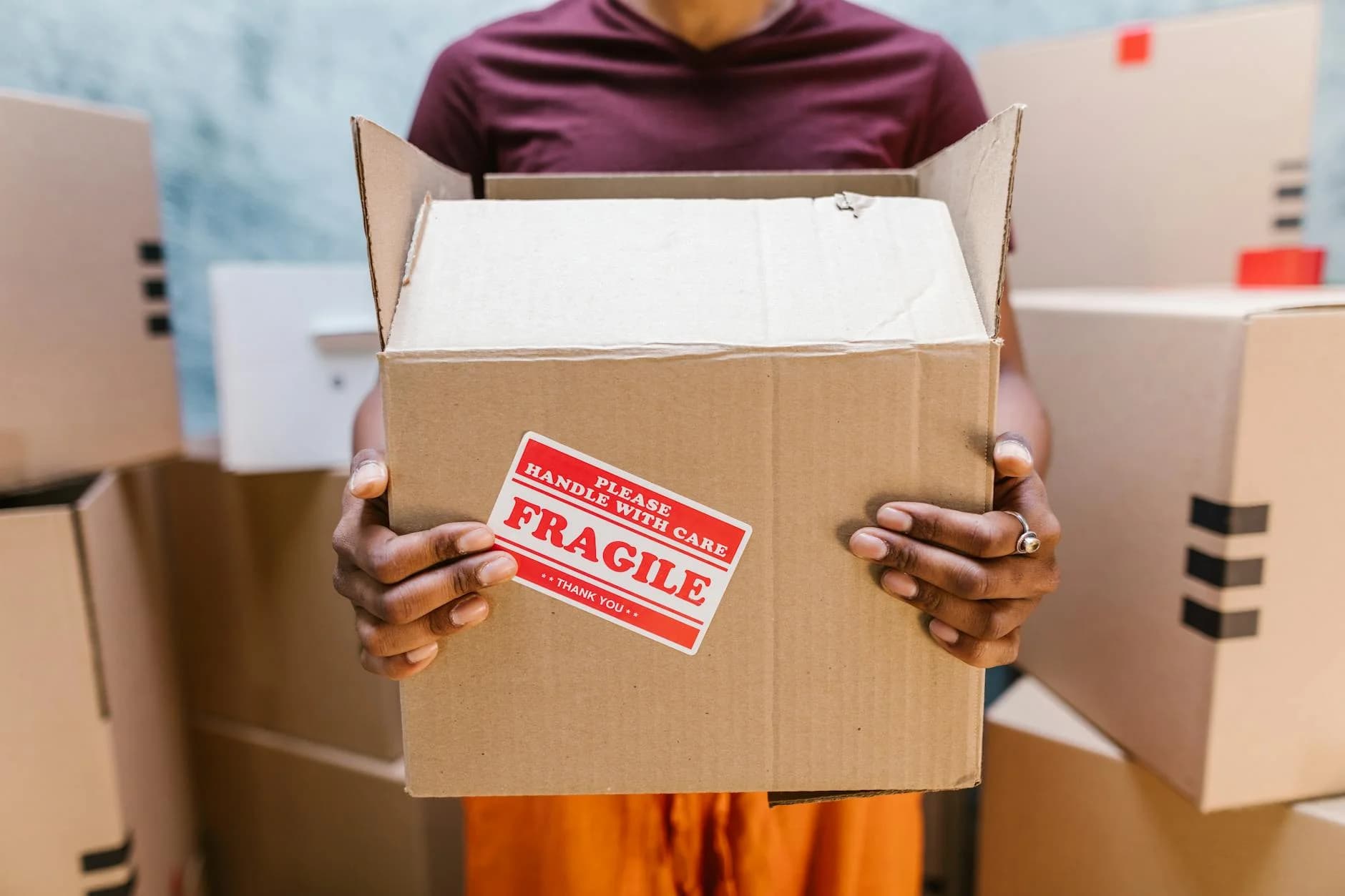
Remove all firearms, ammunition, documents, and valuables. Pack these items separately in secure, padded containers. An empty safe is significantly lighter and has a more predictable center of gravity.
If your safe has removable shelves, take them out. Some safes also have detachable doors, though removing them requires specific knowledge of your safe's design.
Step 2: Detach the Safe
Many gun safes are bolted to the floor or wall. Check your safe's manual for detachment instructions. Use the correct tools to remove anchor bolts without stripping them, since you will need to reinstall them at the new location.
Step 3: Position the Dolly
Tilt the safe slightly and slide the dolly's toe plate underneath. Center the safe on the dolly, then strap it securely. The safe should lean back against the dolly's frame with weight distributed evenly.
Step 4: Move to the Stairs
Roll the safe on the dolly to the base of the stairs. Stop here and verify everyone is in position and ready.
Step 5: Tackle the Stairs
The person at the top of the stairs guides and pulls while helpers below push and support.
Going up stairs: Tilt the dolly back about 45 degrees. The bottom helpers lift the toe plate to the first step while the top person pulls. Move one step at a time with a complete stop at each step to check stability. Never rush.
Going down stairs: The top person controls the descent while bottom helpers guide and brake. Let gravity assist, but maintain total control. The safe should never move faster than a slow walk.
Keep the safe leaning back against the dolly throughout. If it starts to tip forward, stop immediately and adjust.
Step 6: Handle Landings and Turns
Staircase landings require extra coordination. You may need to rotate the safe while on the landing, which means the dolly comes to a complete stop while you reposition. Clear communication prevents accidents during these transitions.
Troubleshooting Common Problems
If the Safe Gets Stuck
Stop and assess. Usually, the angle needs adjustment, or an obstacle needs removal. Never force the safe through a tight spot. Back up if necessary and try a different approach angle.
If Someone Gets Hurt
Stop the move immediately. If you can safely set the safe down, do so. If not, have the healthy team members hold position while the injured person gets clear. Seek medical attention for any injury, even if it seems minor.
Preventing Stair Damage
Cover stair edges with moving pads. The dolly wheels concentrate a lot of weight on small contact points, which can crack wood or chip tile. Move slowly and deliberately to avoid banging the safe against railings or walls.
After the Move
Positioning the Safe
Place the safe in its permanent location, checking that the floor can support the concentrated weight. Avoid positioning against exterior walls where temperature fluctuations can promote rust, or in areas with high humidity.
Miami humidity considerations: South Florida's average humidity hovers around 75%, which accelerates rust on gun safe interiors. Position your safe in climate-controlled spaces away from exterior walls. Many Miami homeowners add silica gel packets or electric dehumidifiers inside their safes to protect firearms and documents from moisture damage.
Verify the safe sits level using a bubble level. An unlevel safe causes internal components to wear unevenly and can make the door difficult to open and close.
Anchoring the Safe
Bolt the safe to the floor following manufacturer instructions. Proper anchoring prevents the safe from tipping during an earthquake or if someone tries to pry it open. Use the original hardware or approved replacements.
Reloading
Replace shelves and interior components first. Then reload contents, placing heavier items on the bottom to maintain a low center of gravity. Organize firearms and valuables for easy access while maintaining security.
Benefits of Professional Safe Moving
Moving a gun safe yourself saves money, but professional movers offer significant advantages:
- 1Specialized equipment: Professionals have stair-climbing machines that take most of the physical effort out of the move
- 2Insurance coverage: Licensed movers carry liability insurance that covers damage to your property and the safe
- 3Experience: A team that moves safes regularly knows how to handle unexpected problems
- 4Reduced injury risk: Letting trained professionals handle the heavy lifting protects your back and your helpers
What to Expect from Rapid Panda Movers
We have moved gun safes through Coral Gables mansions, Brickell high-rise condos, and Miami Beach townhomes. Our crews know the tight stairwells in older homes near Coconut Grove and the elevator restrictions in Downtown Miami buildings.
When you hire us for safe moving, you get:
- 1Pre-move assessment: We evaluate your safe, path, and destination before moving day
- 2Professional equipment: Our stair-climbing dollies and rigging equipment handle safes up to 2,500 pounds
- 3Trained crew: Our teams practice safe-moving techniques regularly
- 4Property protection: We cover floors, walls, and stairs to prevent damage
- 5Full insurance: Our coverage protects your safe and your home
Frequently Asked Questions
How much does it cost to move a gun safe up stairs?
Professional safe moving typically costs $150 to $500 depending on the safe's weight, the number of stairs, and access difficulty. In Miami, expect rates on the higher end for moves involving high-rise buildings, narrow historic staircases, or limited parking that requires longer carry distances. DIY moving requires $50 to $100 in equipment rental plus the value of your time and physical effort.
Can two people move a gun safe up stairs?
For smaller safes under 500 pounds, two strong adults with proper equipment might manage. For anything heavier, you need at least four people plus a stair-climbing dolly. More people provide better control and safety margins.
How do I know if my floors can support a gun safe?
Most residential floors support gun safes without modification. However, safes over 1,000 pounds should sit on floor joists rather than between them. Consult a structural engineer if you have concerns about older homes or upper floors.
Should I remove the door from my gun safe before moving?
Removing the door reduces weight significantly, but it requires specific knowledge of your safe's design and hinge system. Check your manual before attempting this, and never force a door that does not easily detach.
Related Services
Depending on your move, you might also need:
- 1Local Moving - Complete residential relocation services
- 2Furniture Moving - Heavy item specialists for other large pieces
- 3Packing Services - Professional packing for firearms and valuables
Ready to Move Your Safe?
Moving a gun safe up stairs requires planning, equipment, and manpower. If you prefer to leave the heavy lifting to professionals, request your free quote today.
Questions about safe moving? Contact us or check out our customer reviews to see why Miami families trust Rapid Panda Movers with their most challenging moves.