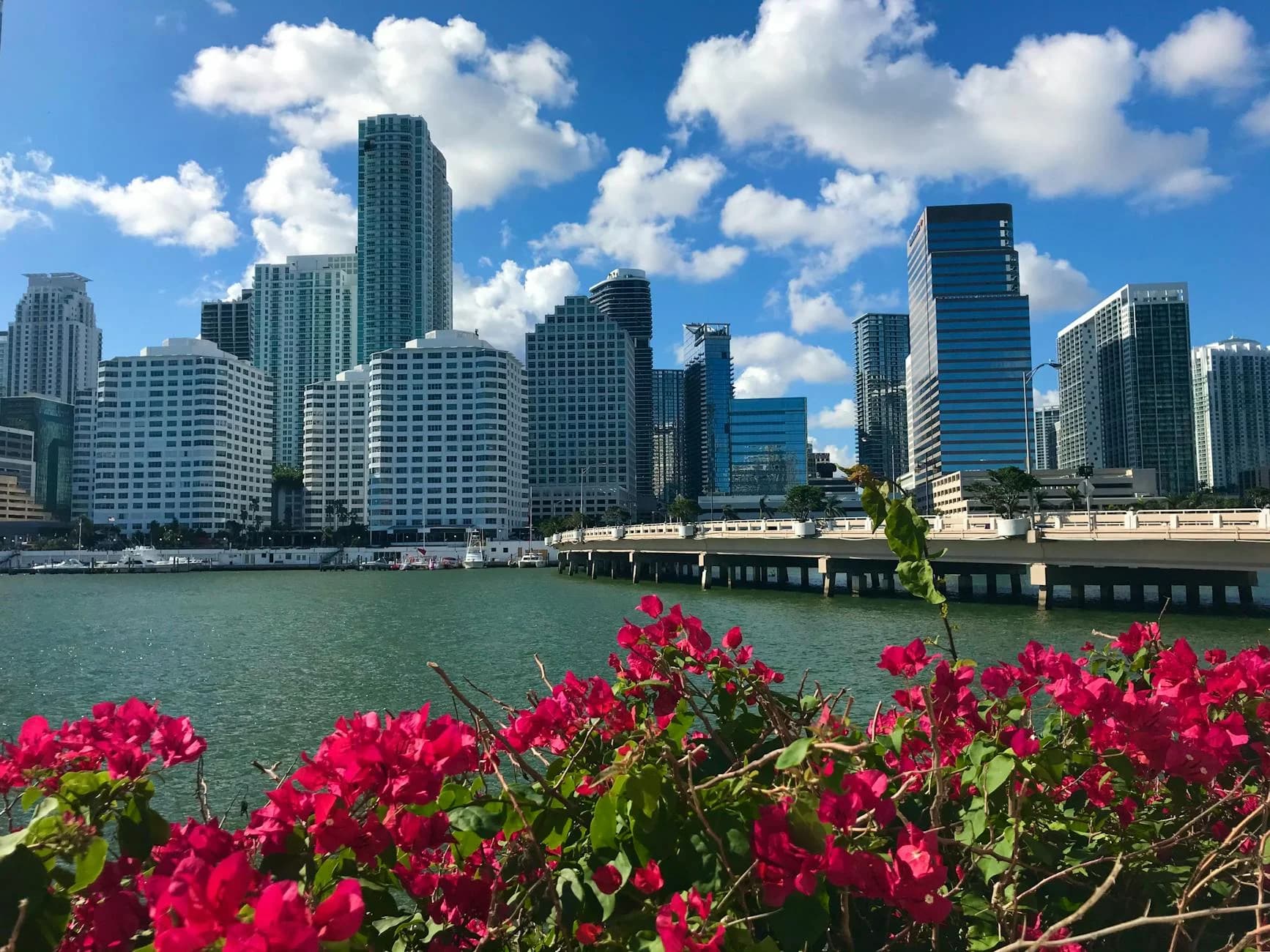

Explore Miami's real estate market with insights on trends, neighborhoods, investment opportunities, and buying tips.
Miami's real estate market offers exciting opportunities for buyers, sellers, and investors alike. Known for its stunning beaches, multicultural vibe, and dynamic economy, Miami continues to attract people from all walks of life. Whether you're buying your first home or investing in rental properties, understanding current market conditions helps you make smarter decisions. Once you've found your perfect property, Rapid Panda Movers is here to handle your relocation with care and professionalism.
Current Market Trends
The Miami real estate market continues to see notable shifts, characterized by several key trends:

Average Home Prices: The median home price in Miami has seen a year-over-year increase, driven by high demand and limited supply. Average prices for single-family homes have risen by approximately 8%.
Inventory Levels: Inventory remains low, intensifying competition among buyers. The housing supply is at an all-time low, with only 3 months' worth of inventory available.
Market Dynamics: Miami is currently experiencing a strong seller's market. Homes are selling quickly, often above the asking price due to bidding wars.
Factors Influencing the Miami Real Estate Market
The Miami real estate market is shaped by various factors that influence prices, demand, and overall market dynamics.
Economic Conditions
Miami's robust economy, underpinned by sectors such as tourism, trade, finance, and technology, continues to support its real estate market. An influx of businesses relocating to Miami, coupled with a strong job market, boosts demand for housing.
Population Growth and Demographic Shifts
Miami's population has been steadily growing, driven by both domestic migration and international arrivals. Younger professionals and retirees alike are drawn to Miami for its vibrant lifestyle, contributing to diverse real estate needs.
Interest Rates and Mortgage Availability
Interest rates play a key role in the real estate market. Mortgage rates affect affordability and can encourage or discourage home purchases. Shifts in these rates can significantly impact market activity.
Key Market Drivers
- 1Economic Conditions: Growth in key sectors like tourism and tech
- 2Population Growth: Increasing domestic and international migration
- 3Job Market: Low unemployment rates boosting purchasing power
- 4Interest Rates: Favorable mortgage rates stimulating buyer interest
Key Neighborhoods and Areas in Miami
Miami has numerous neighborhoods that cater to various lifestyles and preferences. Here are some of the top neighborhoods to consider:
Downtown Miami: A bustling area with high-rise condos near Bayfront Park and the Kaseya Center, perfect for professionals seeking urban living with walkable access to the Metromover.
Brickell: Known as Miami's Financial District, Brickell offers luxury condos along Brickell Avenue with easy access to Mary Brickell Village shops and restaurants. The Underline park runs through the neighborhood.
Wynwood: An artistic hub with galleries, boutiques, and unique homes.
Coconut Grove: A family-friendly area with lush greenery near Vizcaya Museum and upscale homes along Main Highway. The Grove offers a village-like feel with outdoor cafes and art galleries.
Coral Gables: Known for its Mediterranean Revival architecture, Miracle Mile shopping, and top-rated schools like Coral Gables Senior High. Home to the University of Miami campus.
Key Biscayne: Ideal for those seeking a waterfront lifestyle near Crandon Park and Bill Baggs State Park, with island tranquility just minutes from downtown via the Rickenbacker Causeway.
South Beach: Famous for its vibrant nightlife, Art Deco architecture, and luxury condos.
Doral: A growing area near Miami International Airport with excellent schools like Ronald Reagan Senior High, making it perfect for families. Home to Trump National Doral golf resort and a large Venezuelan community.

Emerging Areas with Potential Growth
While established neighborhoods remain popular, several emerging areas in Miami show significant growth potential:
Little Haiti: Increasingly attractive due to affordable housing and cultural vibrancy.
Allapattah: Gaining popularity for its proximity to downtown and affordable real estate.
MiMo District: Known for its unique architectural style and boutique shops.
Edgewater: Rapid development of high-rise condos with beautiful waterfront views.
Market Segments and Demographics
The Miami real estate market caters to a wide array of buyers, segmented primarily into three markets:
Luxury Real Estate Market: This segment includes high-end properties such as beachfront mansions and upscale condos, sought after by wealthy individuals and international investors.
Mid-Range Market: This includes suburban homes and mid-priced condos that cater to middle-class families and professionals.
Affordable Housing: This segment addresses the needs of budget-conscious buyers, including first-time homebuyers and lower-income families.
Demographic Breakdown of Miami's Real Estate Buyers
The demographic profile of Miami's real estate buyers is diverse, reflecting the city's dynamic nature:
Local Buyers vs. International Investors: Miami's market is unique in its strong appeal to international buyers, particularly from Latin America and Europe.
Age Groups and Preferences: Millennials and Gen Z are increasingly entering the market, looking for condos and tech-savvy homes. Baby Boomers and retirees often seek luxury properties or downsized residences.
Family-Oriented vs. Single Professionals: Families typically prefer suburban areas with good schools, while single professionals are drawn to urban cores like Downtown Miami and Brickell.
Demographic Insights
- 1Local Buyers: Predominantly families and young professionals
- 2International Investors: Primarily from Latin America and Europe
- 3Age Groups: A mix of millennials, Gen Z, and Baby Boomers
- 4Buyer Types: Families prefer suburbs; single professionals favor urban areas
Investment Opportunities and Challenges
Miami offers a plethora of investment opportunities, making it an attractive market for real estate investors:
Rental Properties and Airbnb Trends: Miami's popularity as a tourist destination makes short-term rentals highly lucrative. Investing in rental properties can generate significant returns, particularly in tourist-heavy areas.
Commercial Real Estate Potential: As businesses continue to relocate to Miami, the demand for commercial real estate is on the rise. Office spaces, retail locations, and industrial properties present promising opportunities.
New Construction and Development Projects: Numerous new developments, including luxury condos and residential communities, offer investment potential. These projects often come with incentives like tax breaks and financing options.
Investment Highlights
- 1Rental Properties: High demand for short-term rentals
- 2Commercial Real Estate: Growing demand due to business influx
- 3New Developments: Attractive incentives and growth potential

Challenges in the Miami Real Estate Market
Despite the attractive opportunities, the Miami real estate market also poses several challenges:
Competition Among Buyers: High demand and low inventory result in competitive bidding, driving up prices and making it difficult for buyers to secure properties.
Regulatory and Zoning Issues: Miami's zoning laws and regulations can be complex to work through, particularly for new developments and commercial properties.
Impact of Climate Change and Flooding: Miami faces significant climate-related risks, including king tide flooding during fall months and hurricane season from June through November. Properties in flood zones like those near Biscayne Bay or the Miami River may have higher insurance costs. Consider elevation and flood zone ratings (especially Zone AE) when evaluating properties.
Practical Tips and Resources for Buyers and Sellers
Practical Tips for Home Buyers
Buying in a competitive market like Miami requires strategic planning and preparation.
Working Through the Buying Process: Engage a reputable real estate agent who knows the market well. Conduct thorough research on neighborhoods and property types.
Securing the Best Mortgage Rates: Shop around for mortgage rates and get pre-approved for a loan. Compare offers from different lenders to secure the best terms.
Tips for Out-of-State and International Buyers: Consider renting first to get a feel of the area. Utilize virtual tours and remote signing services if you can't visit properties in person.
Practical Tips for Home Sellers
Selling your home in a competitive market requires preparation and savvy strategies:
Getting Your Home Market-Ready: Declutter and stage your home to make it more appealing. Minor repairs and upgrades can significantly boost your home's market value.
Pricing Strategies to Attract Buyers: Price your home competitively based on market comps. Consider the demand and adjust your pricing accordingly.
Marketing Your Property Effectively: Utilize professional photography and list your property on multiple platforms. Virtual tours and open houses can attract more buyers.
Resources and Tools for Making Informed Decisions
Having the right resources at your disposal can make the buying or selling process smoother:
Online Tools and Apps for Market Research: Websites like Zillow, Redfin, and Realtor.com provide detailed market data and property listings.
Local Resources: Engage local real estate agents who have in-depth knowledge of the market. Utilize services of local attorneys and inspectors for legal and property evaluations.
Moving to Miami: How Rapid Panda Movers Can Help
Miami moves go smoothly with the right support.
Overview of Rapid Panda Movers' Services: We offer full-service moving solutions including packing, transportation, and unpacking. Our services are tailored to meet the unique needs of our clients.
Full-Service Moving for Local and Long-Distance Relocations: Whether you're moving within Florida or from another state, we ensure a smooth and hassle-free moving experience.
Special Services for High-Value Items and Fragile Goods: From pianos to fine art, our specialized moving services handle delicate items with utmost care.
Service Highlights
- 1Full Moving Solutions: Packing services, transportation, and unpacking
- 2Local and Long-Distance Moves: Smooth experience guaranteed
- 3Special Handling: For valuable and fragile items
What to Expect When Moving to Miami
When you hire Rapid Panda Movers for your Miami relocation, you can count on:
- 1Free Consultation: We assess your moving needs and provide a transparent, no-obligation quote
- 2Professional Crew: Uniformed, trained moving professionals who treat your belongings with care
- 3Quality Materials: High-quality packing materials designed to protect your items during transport
- 4Careful Handling: Every item, from furniture to fragile goods, is handled with respect
- 5On-Time Service: We arrive when promised and complete your move on schedule
Frequently Asked Questions
How much does it cost to move to Miami?
Moving costs vary based on distance, volume, and services needed. Local moves within Miami typically range from $400 to $1,500, while long-distance relocations can cost $2,000 to $8,000 or more. Contact us for a personalized quote based on your specific needs.
What is the best time to move to Miami?
The best time to move to Miami is during the fall (October-November) or early spring (March-April). You'll avoid the summer heat and humidity, as well as hurricane season (June-November). Moving during these shoulder seasons often means better availability and potentially lower rates.
How far in advance should I book movers for a Miami move?
For local moves, booking 2-3 weeks in advance is usually sufficient. For long-distance relocations, we recommend booking 4-6 weeks ahead, especially during peak moving season (May-September).
Do you help with condo moves in Miami?
Yes, we specialize in Miami condo moves. Our team is familiar with building requirements, elevator reservations, and COI (Certificate of Insurance) procedures that most Miami high-rises require.
Related Services
Depending on your moving needs, you might also consider:
- 1Local Moving - Efficient same-city relocations throughout Miami-Dade
- 2Long-Distance Moving - Interstate relocations to or from Miami
- 3Packing Services - Professional packing for a stress-free move
- 4Commercial Moving - Office and business relocations
Ready to Make Your Move?
Found your dream property in Miami? Request your free quote today and let Rapid Panda Movers handle the heavy lifting.
Questions about your upcoming move? Contact us or read our customer reviews to see why Miami families trust us with their relocations.