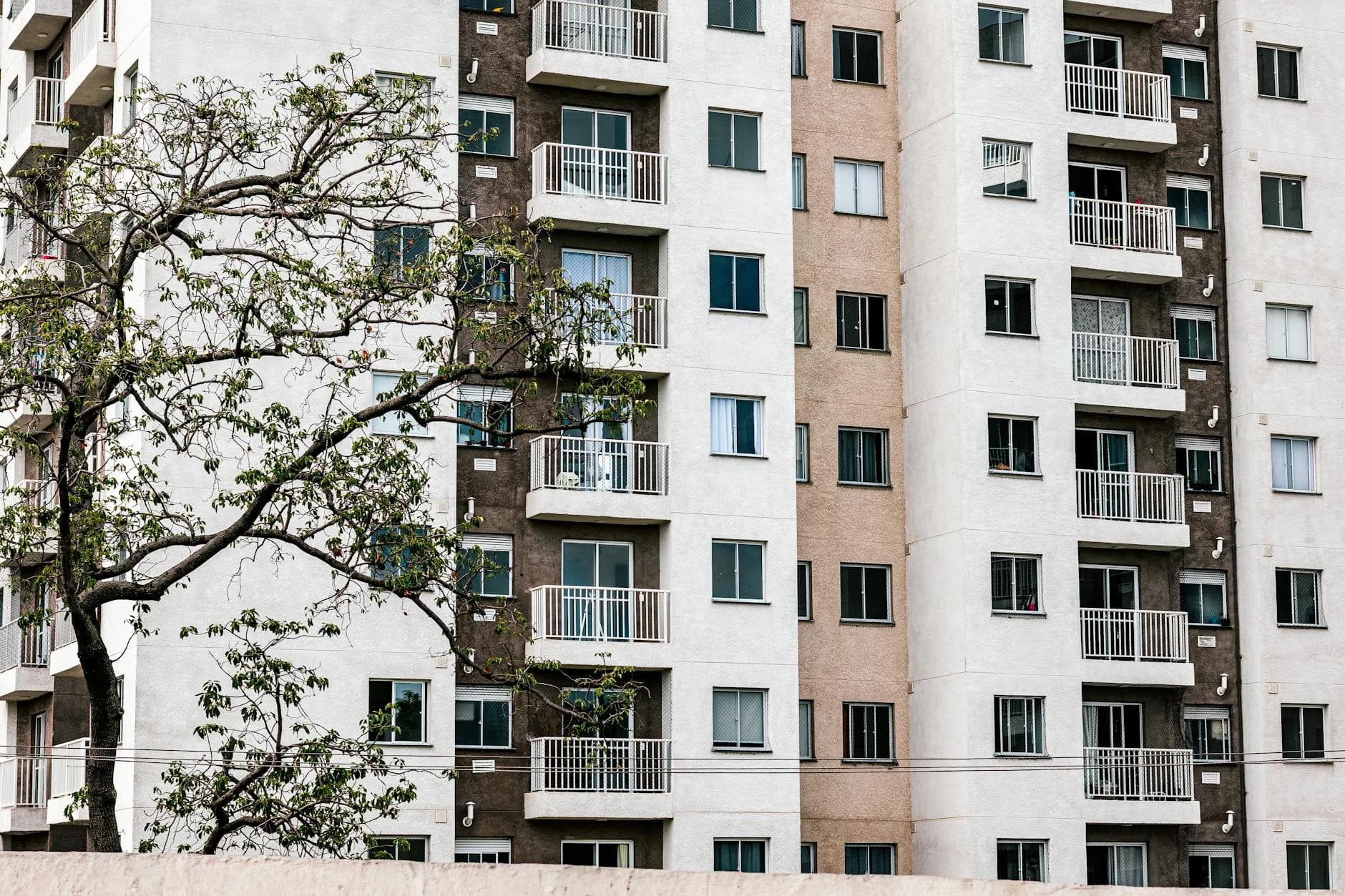

Moving out of your Miami apartment? Knowing what you can leave behind saves you time, money, and stress on moving day.
Moving out of your Miami apartment? Knowing what you can leave behind saves you time, money, and stress on moving day. This guide covers what's allowed under Florida law, what your landlord might accept, and how to handle unwanted items without losing your security deposit.
Can You Leave Furniture in Your Apartment When You Move Out?
Yes, but only with your landlord's written permission. Without approval, leaving furniture behind counts as abandonment under Florida Statute 83.67, and your landlord can charge you for removal and disposal costs.

To leave furniture behind the right way:
Get it in writing. Email your landlord or property manager and ask if they want any furniture you're leaving. Keep their written response. A text message works, but email creates a better paper trail.
Check your lease first. Many Miami apartment complexes, especially newer buildings in Brickell, Midtown, and Wynwood, include specific move-out clauses. Some prohibit leaving any personal property. Others welcome items in good condition for furnished units or model apartments.
Leave items in sellable condition. Clean everything thoroughly. Tighten loose screws. Repair minor damage. A couch with pet stains or a wobbly dining table will get you charged for disposal, not thanked for the donation.
After moving hundreds of tenants out of Miami apartments, we've seen landlords accept furniture about 40% of the time. Your odds improve if the item is high-quality, neutral-colored, and less than five years old. A gray West Elm sofa? Good chance. A bright red sectional with pet hair? Not happening.
What You Must Remove Before Move-Out
Under Florida law, you're responsible for removing all personal property from the rental unit. Skip this, and you'll face charges against your security deposit.
Personal Belongings
Everything you brought in comes out with you. This includes:
- 1Clothing, shoes, and accessories
- 2Electronics (TVs, gaming systems, computers)
- 3Furniture you purchased
- 4Kitchen items (dishes, cookware, small appliances)
- 5Decorations and wall hangings
- 6Books, documents, and personal files
Pro tip: Start packing items you rarely use two to three weeks before your move date. After hundreds of Miami apartment moves, we've noticed tenants who pack early finish faster and seem way less stressed on moving day.
Trash and Garbage
Dispose of all trash before your final walkthrough. In Miami-Dade County, you can:
- 1Use your building's trash compactor or dumpster (check size limits first)
- 2Schedule a bulk pickup through Miami-Dade Solid Waste for large items
- 3Drop off items at the North Dade or South Dade transfer stations
Many Miami apartment buildings charge $50 to $200 for trash removal if you leave items in hallways, storage areas, or parking spaces.
Hazardous Materials
Florida law requires special disposal for:
- 1Paint cans (even if sealed)
- 2Cleaning chemicals and solvents
- 3Pesticides and fertilizers
- 4Batteries (especially car batteries)
- 5Old electronics with batteries
- 6Propane tanks
Miami-Dade offers free hazardous waste drop-off at their Home Chemical Collection Centers. Broward County residents can use the Household Hazardous Waste facility in Pompano Beach.
What You Can Typically Leave Behind
These items are usually acceptable to leave. However, always confirm with your landlord first.
Items Landlords Generally Accept
Leftover paint cans matching the walls. If you repainted with landlord approval, leave the extra paint. Seal cans tightly and label them with the room and color name. This actually helps your landlord with future touch-ups.
Working lightbulbs. Leave any bulbs you installed, especially specialty bulbs in chandeliers or recessed lighting. Taking them just means your landlord charges you to replace them.
Smoke detectors and carbon monoxide detectors. These belong to the property. Never remove them. In Florida, landlords must provide working smoke detectors under Florida Statute 83.51.
Air filters. Leave the current filter installed if it's clean, or install a fresh one before you go. Some Miami landlords consider a new filter a nice gesture.
Mounting hardware. Curtain rod brackets, TV mount bases, and similar hardware can stay if removing them would cause wall damage. Patch small nail holes with spackle and paint.
Items That Require Landlord Approval
Major appliances. Leaving a refrigerator, washer, dryer, or dishwasher requires explicit permission. The appliance must work properly and match the property's existing style. A landlord won't want your 15-year-old fridge when the kitchen has modern stainless steel appliances.
Furniture in good condition. As mentioned earlier, some landlords welcome quality furniture. Beds, dressers, dining sets, and sofas in excellent condition sometimes get approved. Always get written confirmation.
Window treatments. Blinds and curtains may stay if the landlord agrees. Custom plantation shutters or expensive drapes are more likely to be accepted than cheap mini blinds.
How to Handle Unwanted Items Before Moving
Moving is the perfect time to downsize. Here's how Miami residents typically handle items they don't want to bring to their new place.
Sell Your Unwanted Items
Start selling three to four weeks before your move. This gives you time to meet buyers and handle no-shows.
Facebook Marketplace works well for furniture and large items in Miami. List items at 30-40% of retail price for quick sales. Brickell, Coral Gables, and Miami Beach have active buyer pools for quality furniture.
OfferUp and Craigslist attract bargain hunters. Price items low if you need them gone fast. Meet buyers in your building's lobby or parking area for safety.
Garage sales work in single-family neighborhoods like Coconut Grove, Palmetto Bay, or Pinecrest. For apartment dwellers, a "moving sale" on your balcony or parking spot can work if your building allows it.
Consignment stores like City Furniture Outlet or The Find Consignment in South Miami take quality furniture on commission. They handle the sale, but you wait 30-90 days for payment.
Donate Your Unwanted Items
Miami has dozens of donation options. Schedule pickups early since organizations often book one to two weeks out.
Furniture and household goods:
- 1Habitat for Humanity ReStore (locations in Miami Gardens and Oakland Park)
- 2Goodwill (multiple locations, including Midtown and Kendall)
- 3Salvation Army (pickup available for large items)
- 4Miami Rescue Mission (accepts furniture, clothing, and appliances)
Specialty donations:
- 1Books: Books & Books warehouse donation, Miami-Dade Public Library
- 2Pet supplies: Humane Society of Greater Miami, Miami-Dade Animal Services
- 3Business attire: Dress for Success Miami
- 4Medical equipment: MedShare or Project C.U.R.E.
Tax deduction tip: Get a receipt for all donations. For items over $500, you'll need a written acknowledgment from the organization. Keep photos of donated items for your records.
Recycle and Dispose Responsibly
Electronics: Best Buy accepts most electronics for free recycling. Miami-Dade also hosts periodic e-waste collection events.
Mattresses: Many Miami apartments won't allow mattresses in regular trash. Mattress recycling costs $20-40 through services like Mattress Disposal Plus.
Metal items: Scrap yards in Hialeah and Opa-Locka pay cash for old appliances, car parts, and metal furniture frames.
Bulk trash: Schedule pickup through your city's sanitation department. Miami charges no extra fee for scheduled bulk pickup, but items must be placed curbside on your designated day.
Repurpose and Upcycle
Before throwing something away, consider if you can give it new life:
Furniture refreshes: A coat of chalk paint transforms dated dressers and nightstands. Sand down scratched wood tables and refinish them. Replace cabinet hardware for an instant update. YouTube tutorials make these projects accessible even for beginners.
Creative reuse: Turn an old ladder into a bookshelf. Convert dresser drawers into under-bed storage. Use wine crates as modular shelving. Old suitcases become unique side tables.
Building materials: Old doors make excellent desk tops. Cabinet fronts work as headboards. Leftover tile creates custom coasters or trivets.
If you're not crafty, post items on Facebook groups like "Miami Buy Nothing" or "Upcycle Miami." Crafters and artists actively search for raw materials.
What Happens If You Leave Belongings Behind
Leaving items without permission triggers a specific legal process under Florida law. Understanding this helps you avoid costly mistakes.

Financial Consequences Under Florida Law
Security deposit deductions. Your landlord can deduct reasonable costs for removing, storing, and disposing of abandoned property. Under Florida Statute 83.49, they must provide an itemized list of deductions within 30 days of your move-out.
Typical charges we see in Miami:
- 1Furniture removal: $100-300 per large item
- 2Junk hauling service: $200-500 for a full apartment cleanout
- 3Dumpster rental: $300-600 for large loads
- 4Hourly labor: $50-100 per hour for property management staff
Storage fees. If your landlord stores your belongings before disposal, you'll pay for that time. Miami storage facility rates run $100-300 per month depending on the space needed.
Legal action for excess costs. If disposal costs exceed your security deposit, your landlord can sue you in small claims court for the difference. Florida allows landlords to recover attorney's fees in these cases, which adds to your bill.
Florida's Abandoned Property Process
Florida Statute 715.10 outlines what happens to property left behind:
- 1Your landlord must make reasonable attempts to contact you
- 2If the property has no apparent value, they can dispose of it immediately
- 3For property with value, they must store it for at least 10 days
- 4After 10 days, they can sell or dispose of the items
- 5Any sale proceeds go toward your unpaid rent or charges first
This process protects landlords while giving you a short window to claim forgotten items. But don't count on it. Once you hand over the keys, assume anything left behind is gone.
Beyond the Financial Impact
Reference problems. Landlords who have to clean out your apartment rarely give positive references. In Miami's competitive rental market, a bad landlord reference can cost you your next apartment.
Collection accounts. Unpaid disposal charges often get sent to collections, damaging your credit score.
Identity theft risk. Documents left behind containing personal information (old mail, financial statements, medical records) put you at risk. Shred or take these items with you.
How to Avoid Move-Out Problems
Planning ahead prevents the most common move-out issues. Here's a timeline that works:
30 Days Before Move-Out
- 1Read your lease's move-out section carefully
- 2Give written notice to your landlord (most Miami leases require 30-60 days)
- 3Start selling and donating items you won't keep
- 4Schedule utility disconnections for the day after your move
Two Weeks Before Move-Out
- 1Book professional movers to secure your preferred date
- 2Schedule bulk trash pickup if needed
- 3Arrange donation pickups for remaining items
- 4Begin packing non-essential items
One Week Before Move-Out
- 1Complete packing
- 2Do a deep clean or schedule cleaning service
- 3Take photos of every room for your records
- 4Patch nail holes and touch up paint
Move-Out Day
- 1Do a final walkthrough before movers arrive
- 2Check every closet, cabinet, and storage space
- 3Take final photos after all items are removed
- 4Get your landlord's signature on a move-out inspection form
Protecting Your Security Deposit
Your security deposit depends on leaving the apartment in the condition specified in your lease.
Document everything. Take timestamped photos and videos of every room during your final walkthrough. Email these to yourself for a dated record.
Request a walkthrough. Florida law doesn't require landlords to do a pre-move-out inspection, but many Miami property managers will. This gives you a chance to fix issues before they become deductions.
Know normal wear and tear. Florida law distinguishes between damage and normal wear. Faded paint, minor carpet wear, and small nail holes typically qualify as normal wear. Large holes, stains, and broken fixtures don't.
Get your deposit back. Under Florida Statute 83.49, your landlord has 15 days to return your full deposit if they make no claim against it, or 30 days to provide an itemized list of deductions.
Legal Consequences of Leaving Items Behind
Beyond financial penalties, leaving property behind can create legal problems.
Lease violations. Most leases include language about leaving the property "broom clean" or in "move-in condition." Failing to meet this standard is a lease violation.
Liability for damages. If items you leave behind cause damage (a leaky air conditioner, rotting food, or pest infestations), you're liable for repair costs.
Court judgments. Landlords can pursue judgments for unpaid charges. In Florida, judgments appear on your credit report and can follow you for up to 20 years.
Eviction records. While rare, some landlords file formal eviction proceedings for lease violations including property abandonment. This creates a court record that shows up in tenant screening.
When in doubt, take everything with you. It's always cheaper to dispose of items yourself than to pay a landlord's removal fees.
Benefits of Professional Apartment Moving Services
Working with experienced movers makes your move-out smoother and protects your deposit.

Building protection. Professional movers know how to protect elevator pads, floor runners, and door frames. We've moved tenants out of high-rises from Brickell to Sunny Isles where a single wall scratch could cost hundreds in fees.
Proper equipment. Dollies, furniture pads, and moving straps protect your belongings and the building. DIY moves often result in damaged walls and floors that come out of your deposit.
Insurance coverage. Licensed movers carry liability insurance. If something goes wrong, you're protected. Moving yourself means any damage comes out of your pocket.
Time efficiency. A professional crew moves a one-bedroom apartment in two to three hours. That same move takes most people six to eight hours with friends and a rental truck.
Heavy lifting done safely. No risk of back injuries from that sleeper sofa or solid wood dresser.
What to Expect from Rapid Panda Movers
When you hire us for apartment moving, here's how we help:
Free on-site or virtual estimate. We assess your apartment and provide a written quote with no hidden fees. For Miami apartments, we can often do video estimates via FaceTime or Zoom.
Building coordination. We handle elevator reservations, loading dock scheduling, and certificate of insurance requests that Miami high-rises require.
Experienced crew. Our movers know Miami apartment buildings. We've moved tenants from most major complexes in Brickell, Downtown, Edgewater, Coconut Grove, and the Beaches.
Packing services available. If you're short on time, we can pack everything for you. This also means less stress about whether items are protected properly.
On-time arrival. We show up when promised. Late movers mean late building access and potential overtime fees from your apartment complex.
Frequently Asked Questions
How much does apartment moving cost in Miami?
Apartment moving costs depend on your unit size, building access, and distance. For local Miami moves, expect to pay $300-$600 for a studio, $500-$900 for a one-bedroom, and $700-$1,500 for a two-bedroom. Three-bedroom apartments typically run $1,000-$2,000. These ranges include a two-person crew and a moving truck. Request a free quote for your specific situation.
How long does it take to move out of an apartment?
Professional movers complete most apartment moves in two to six hours. Studios and one-bedrooms take two to three hours. Two-bedrooms take three to four hours. Larger apartments or those with difficult building access (no elevator, narrow hallways, distant parking) take longer. Add one to two hours if you need packing services.
Should I hire movers or move myself?
Hire professional movers if your apartment has heavy furniture, multiple floors without an elevator, or strict building rules about moving times and procedures. Most Miami high-rises require proof of insurance from movers, which rules out DIY moves. Professional movers also prevent the wall and floor damage that costs you your security deposit.
What should I do before move-out day?
Start two to three weeks early. Declutter and sell or donate unwanted items. Pack non-essentials first. Notify your landlord of your move date. Schedule utility transfers. Book movers at least two weeks ahead, or earlier during peak season (summer and month-end). The week before, do a deep clean and patch any wall holes.
How do I get my full security deposit back?
Leave the apartment in the condition required by your lease. Remove all belongings and trash. Clean thoroughly, including appliances, bathrooms, and floors. Patch nail holes and touch up paint if allowed. Take photos of every room. Request a move-out inspection if your landlord offers one. Follow up in writing if you don't receive your deposit within 15-30 days.
Related Services
Depending on your move, you might also need:
- 1Packing Services: Professional packing and unpacking saves time and protects fragile items
- 2Local Moving: Full-service moving anywhere in Miami-Dade, Broward, or Palm Beach counties
- 3Full-Service Moving: Complete door-to-door relocation with packing, moving, and unpacking
Ready to Move Out?
A smooth apartment move starts with knowing what to take, what to leave, and how to protect your security deposit. Follow this guide, and you'll avoid the costly mistakes that catch unprepared tenants.
Request your free moving quote today. Our team handles apartment moves throughout Miami-Dade and Broward counties, from Homestead to Fort Lauderdale.
Read our customer reviews to see why Miami residents trust Rapid Panda Movers for their apartment moves.