Moving with disabilities or medical equipment? Learn specialized care tips for transporting mobility aids and medical devices.
Moving with disabilities or medical equipment requires specialized care and planning. Special needs moving professionals understand the unique requirements of transporting mobility aids, medical devices, and helping individuals who need extra assistance during relocation.
What Special Needs Moving Includes
Specialized moving services for individuals with disabilities encompass:
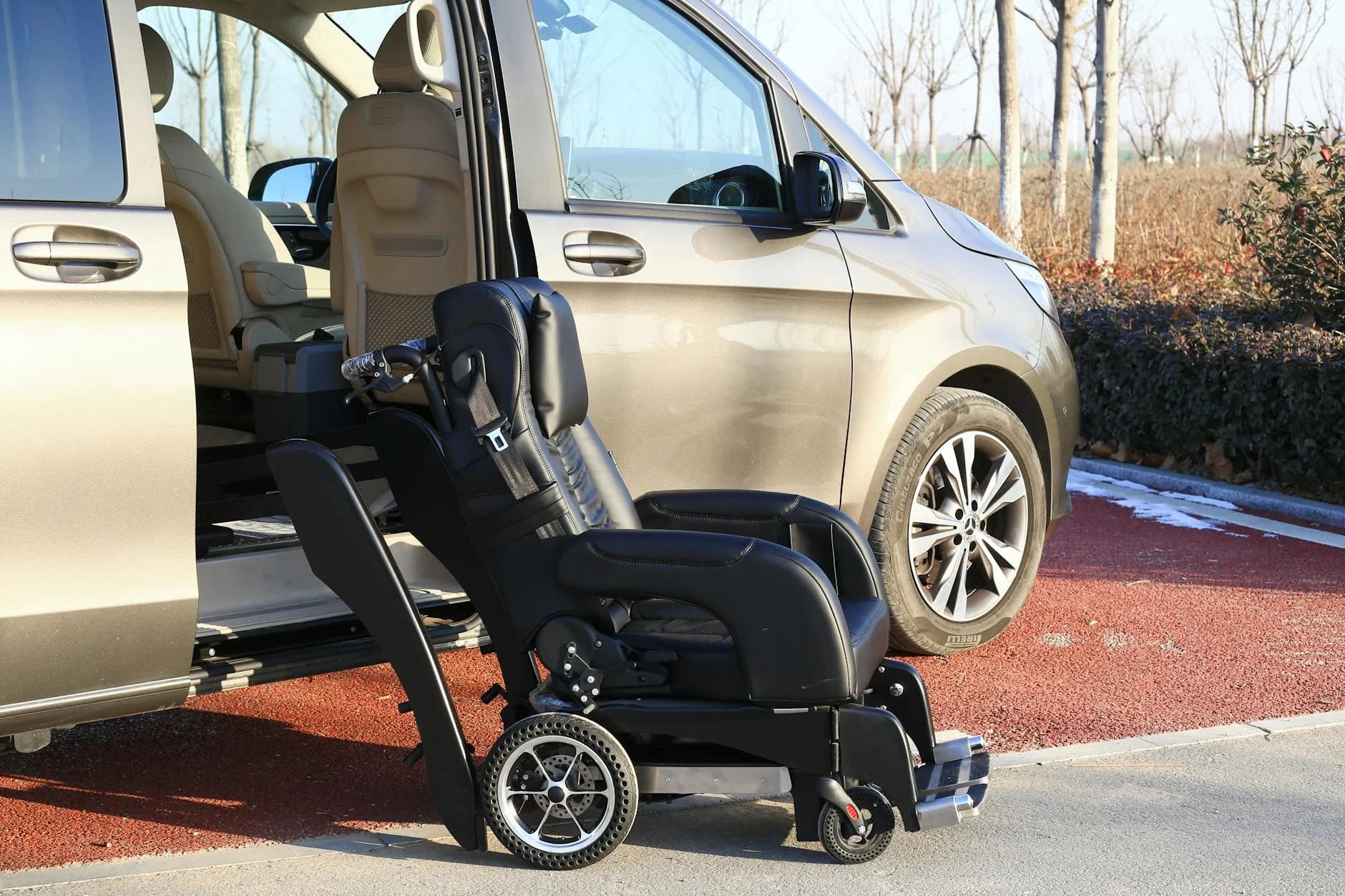
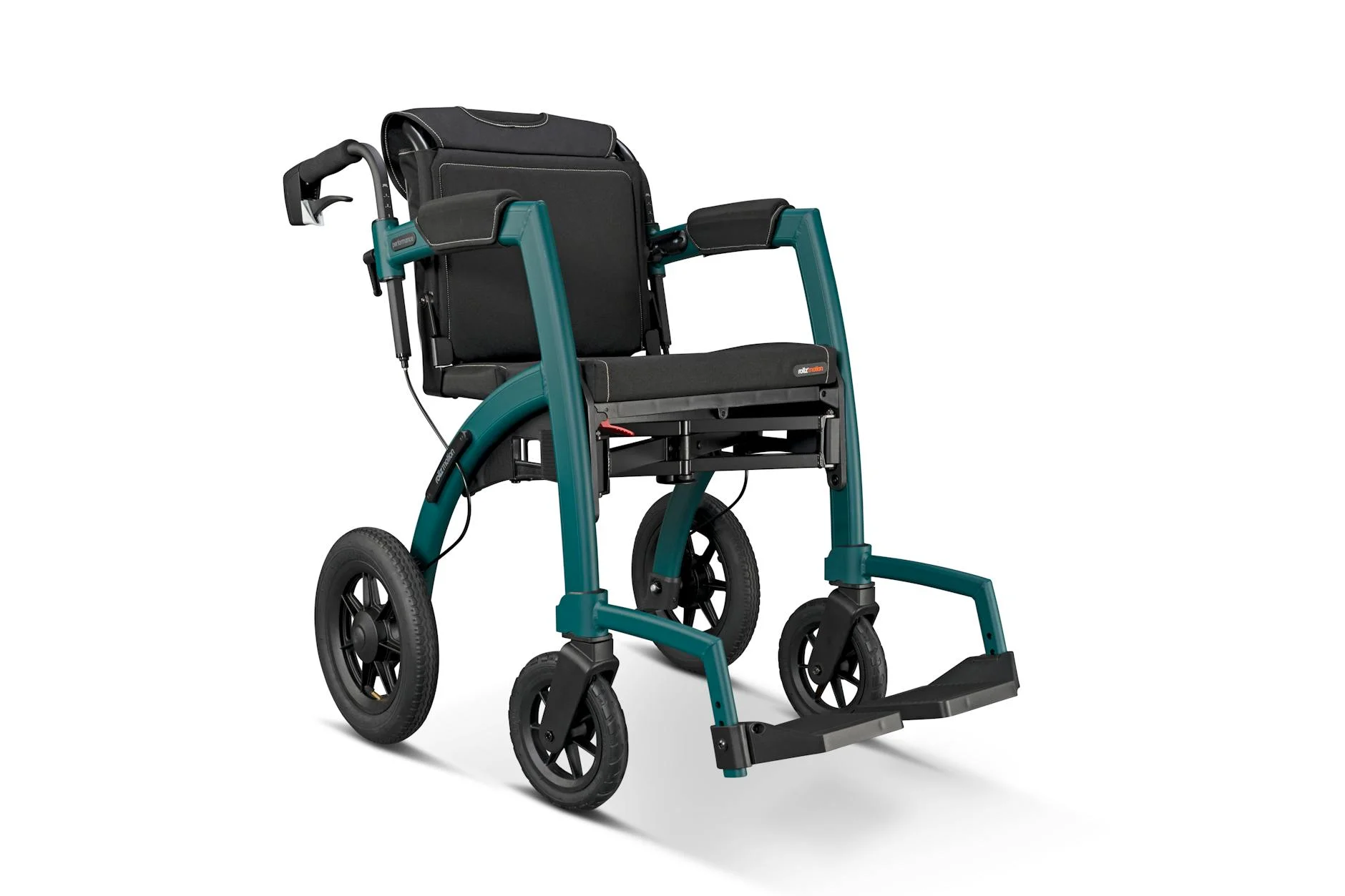
- 1Mobility equipment transport: Wheelchairs, walkers, scooters, and lift chairs
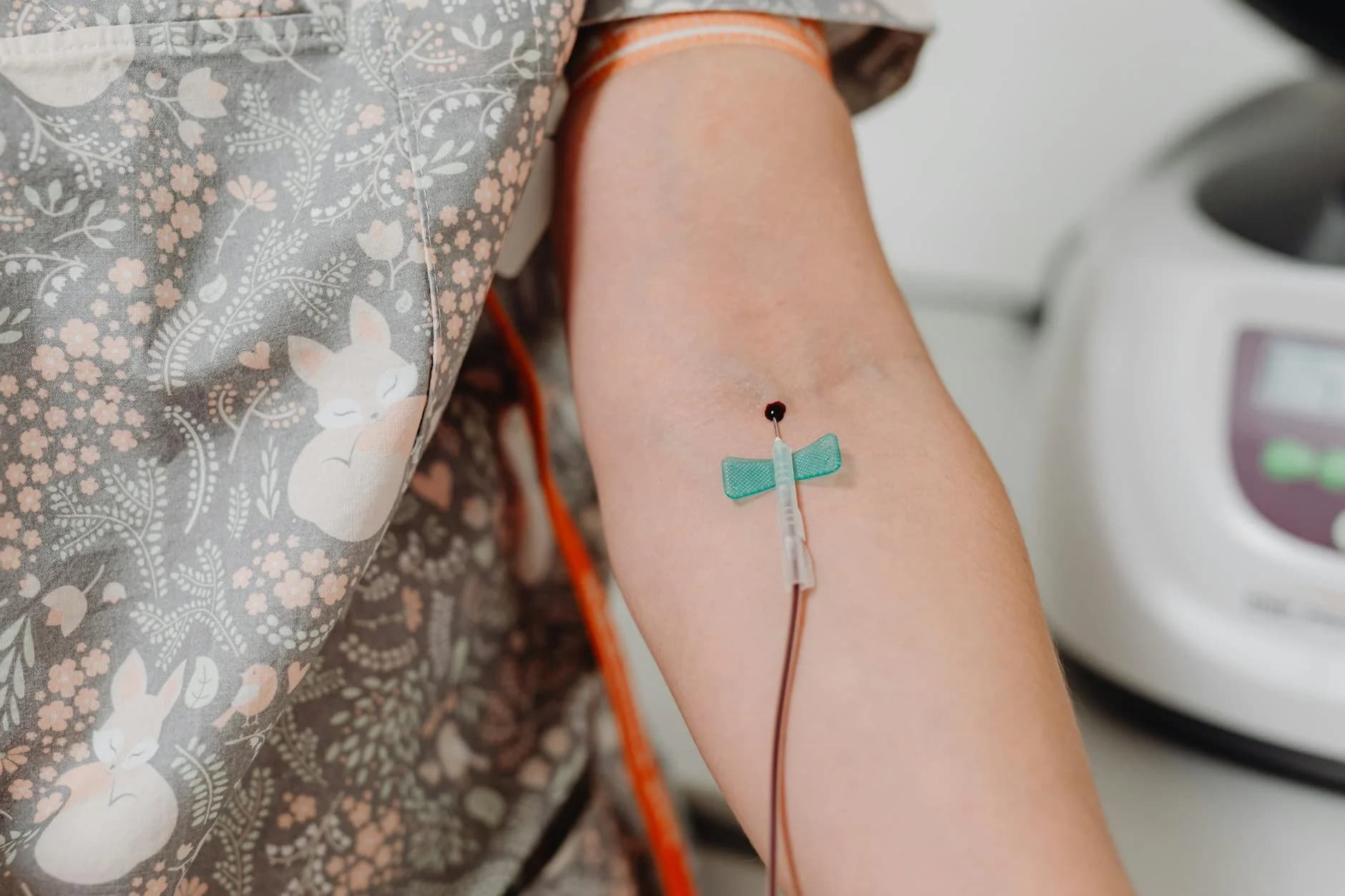
- 2Medical device handling: CPAP machines, oxygen concentrators, hospital beds, and monitors
- 3Accessible transportation: Vehicles equipped with ramps and lifts
- 4Full packing and unpacking: For clients with limited mobility
- 5Setup assistance: Positioning furniture and reconnecting equipment at the new home
Questions to Ask Your Moving Company
Before hiring movers for a special needs relocation, ask:
- 1Have you worked with clients who use medical or mobility equipment?
- 2Can your team handle packing and unpacking if I have limited mobility?
- 3Do you have ramps for steps or tight entryways?
- 4Can your crew help position furniture and set up equipment at the new location?
- 5What experience do you have with disassembling and reassembling specialized equipment?
Preparing Your New Home
Before moving day, evaluate your new residence for accessibility:
- 1Entrances: Verify doorway widths accommodate wheelchairs (minimum 32 inches)
- 2Bathrooms: Plan for grab bars, shower seats, or walk-in tub installation
- 3Hallways: Ensure clear pathways for mobility devices
- 4Kitchen: Consider counter heights and cabinet accessibility
- 5Flooring: Remove trip hazards and ensure smooth transitions between rooms
Schedule accessibility modifications before your arrival when possible. Contractors can install grab bars, ramps, and other features while the home is empty.
Medical Equipment Transport
Vital medical equipment requires careful handling:
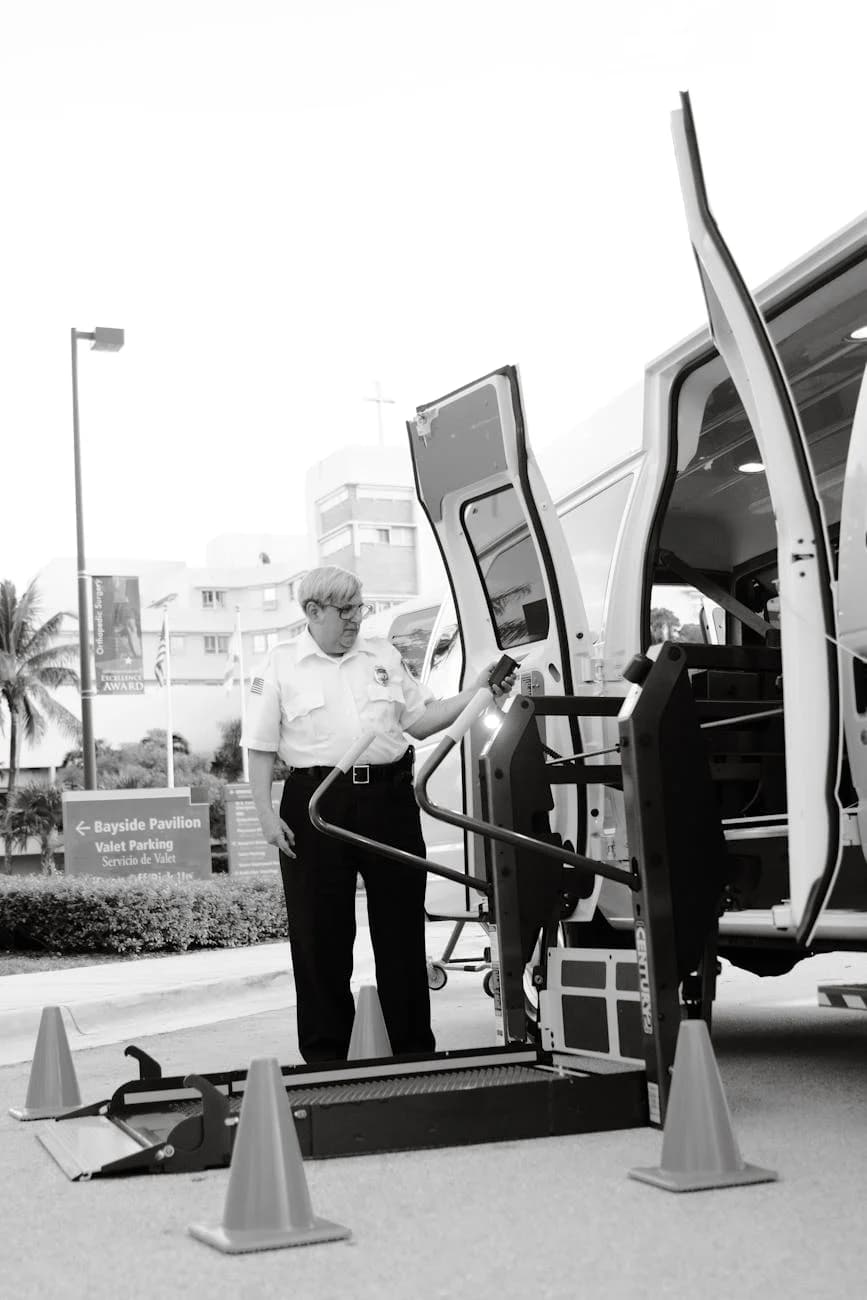
- 1Wheelchairs: Transport in climate-controlled conditions to protect electronic components
- 2Oxygen equipment: Follow manufacturer guidelines for transport and storage
- 3Hospital beds: May require professional disassembly and reassembly
- 4CPAP/BiPAP machines: Keep in carry-on or personal vehicle for immediate access
- 5Lift chairs: Secure moving parts and protect fabric during transport
Day-of-Move Considerations
For a smooth moving day:
- 1Keep essential medications, medical supplies, and equipment manuals easily accessible
- 2Ensure the individual has a comfortable place to rest during the move
- 3Communicate any mobility limitations or timing needs to the moving crew
- 4Have a support person available if the individual needs assistance
- 5Plan for accessible transportation to the new location
Adaptive Equipment Rentals
Some moving companies offer or can arrange:
- 1Portable ramps: For loading and unloading in locations without accessibility features
- 2Stair climbers: To move heavy equipment up and down stairs
- 3Lifting devices: For safe transfers of heavy medical equipment
Financial Assistance Resources
Several programs help with moving costs for individuals with disabilities:
- 1Elderly or Disabled Living: Provides financial assistance quarterly (January, April, July, October)
- 2USDA Rural Development: Offers grants for accessibility modifications in rural areas
- 3ADAPT (American Disabled for Attendant Programs Today): Provides moving assistance including financial aid and service coordination
- 4Medicaid Waiver Programs: Some states cover relocation assistance for qualifying individuals
Finding Specialized Movers
The National Association of Senior & Specialty Move Managers (NASMM) can connect you with certified move managers who specialize in special needs relocations. These professionals coordinate all aspects of the move and ensure accessibility requirements are met.
Miami-Area Resources for Special Needs Moving
South Florida offers several resources for individuals with disabilities:
- 1The Miami Lighthouse for the Blind: Provides relocation assistance and resources for visually impaired residents
- 2Miami-Dade Disability Services: Offers guidance on accessible housing in neighborhoods like Coral Gables, Coconut Grove, and Kendall
- 3Jackson Memorial Hospital: Can coordinate medical equipment transfers and provide documentation for insurance purposes
- 4South Florida ADA Centers: Help evaluate new home accessibility and connect you with local contractors
Miami's warm winter climate is actually beneficial for special needs moves. You won't face ice or snow hazards, though afternoon rain showers from November through February can affect loading schedules. Plan morning moves when possible.
Related Services
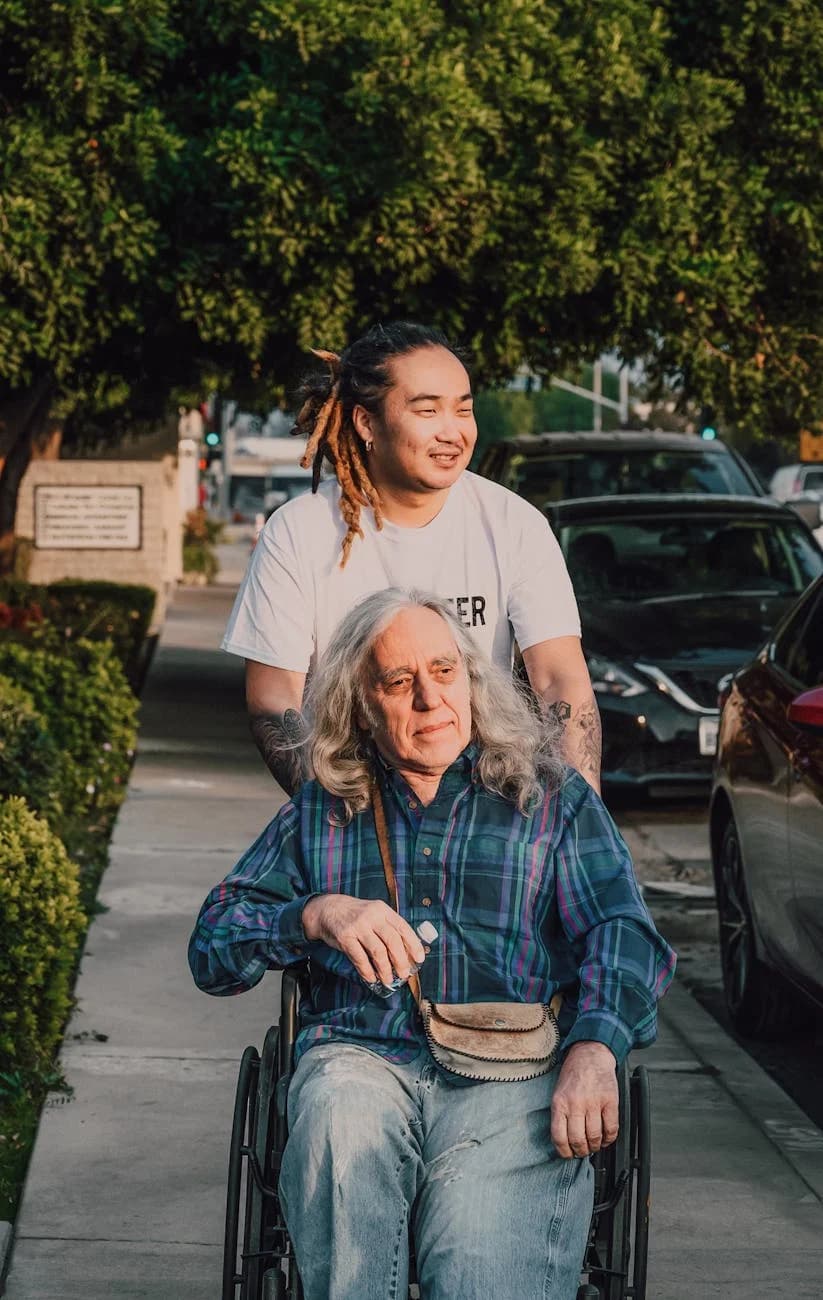
- 1Senior Moving - Specialized care for older adults
- 2Full-Service Moving - Complete packing, moving, and setup
- 3Packing Services - Professional handling of delicate items
Ready for Your Special Needs Move?
Request your free quote today. Our trained crews have experience with mobility equipment and medical devices. We communicate clearly, work patiently, and ensure accessibility needs are met throughout your move.
Read our customer reviews to see how we help Miami families with specialized moving requirements.