Moving antique furniture? Learn documentation, packing techniques, climate considerations, and why professional handling matters.
Antique furniture represents generations of craftsmanship and family history. Moving these irreplaceable pieces requires specialized knowledge and careful handling that goes far beyond standard moving practices.
Before the Move: Documentation
Get Professional Appraisals
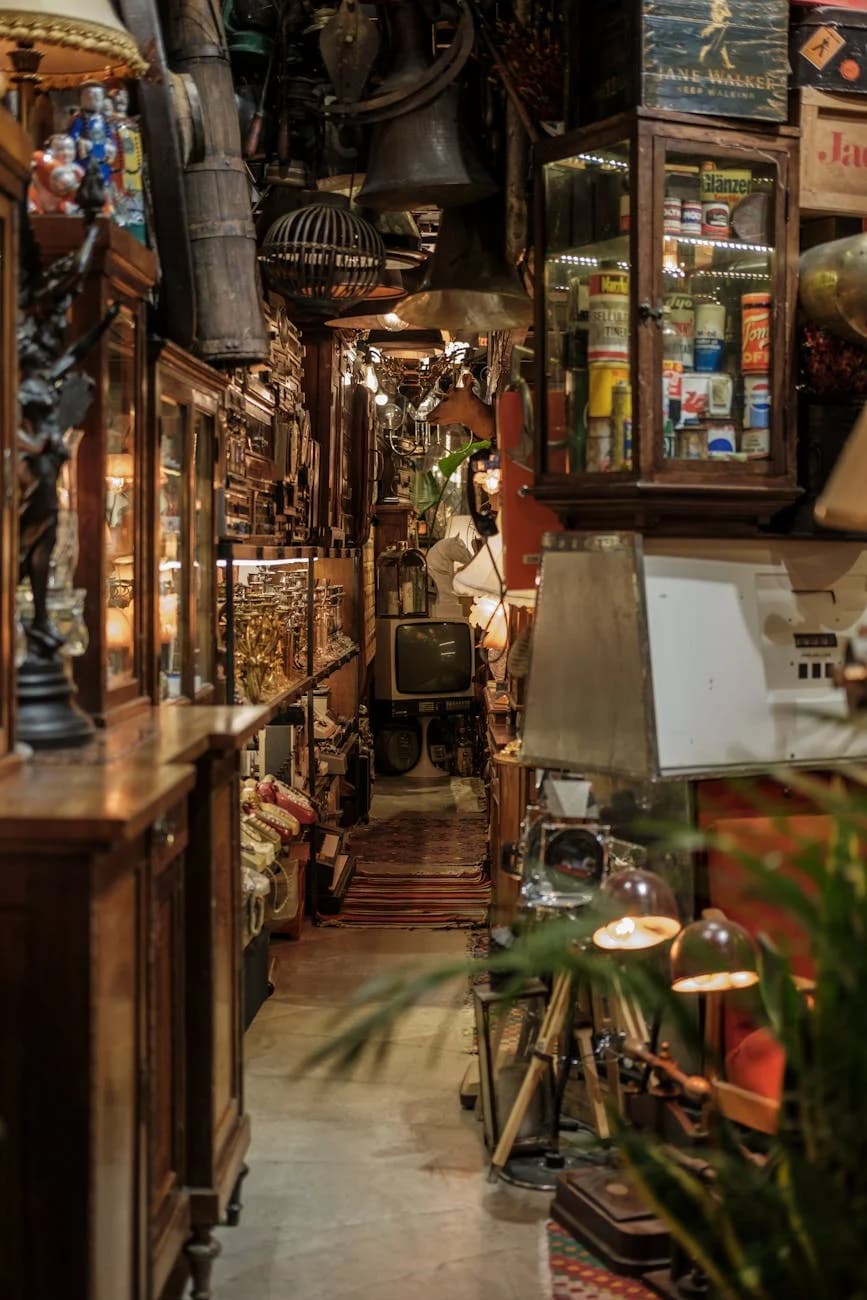
Before packing a single item, document your antiques thoroughly:
- 1Professional appraisal: A qualified appraiser provides accurate valuations reflecting current market conditions and identifies weak spots that may need repair before moving
- 2Detailed photographs: Capture all angles, including existing wear, scratches, and distinctive features
- 3Written condition notes: Document any loose joints, cracks, or fragile areas
- 4Insurance records: Appraisal documentation supports claims if damage occurs
This documentation proves invaluable if you need to file an insurance claim.
Inspect for Vulnerabilities
Carefully examine each piece:
- 1Check for loose joints or cracks that could worsen during transport
- 2Identify delicate carvings, veneer peeling, or aging wood requiring reinforcement
- 3Note glass panels, mirrors, or marble tops that need separate handling
- 4Look for signs of pest damage that could spread to other items
Preparing Antiques for Transport
Clean Before Packing
Use a dry, soft microfiber cloth to remove dust and dirt. Avoid harsh chemicals that can cause irreversible damage to aged finishes and patinas.
Disassemble When Possible
If furniture has removable components:
- 1Remove legs, drawers, and glass panels
- 2Wrap each piece separately in protective padding
- 3Label all hardware and store in sealed bags
- 4Keep bags taped to the main piece or in a dedicated container
Remove and Protect Hardware
Handles, knobs, and drawer pulls are most vulnerable to damage:
- 1Remove fixtures when possible and pack separately
- 2If removal isn't possible, wrap items in moving blankets
- 3Never use tape directly on antique surfaces
Empty All Contents
Remove everything from drawers and cabinets. Items shifting during transport can cause dings, scratches, and structural damage from the inside.
Proper Packing Materials
Museum conservation experts recommend three layers of protection:
- 1Breathable blankets: First layer against the furniture surface
- 2Foam padding and corner protectors: Second layer for impact absorption
- 3Custom crates: Third layer for extremely valuable or fragile pieces built to exact dimensions
Never use plastic wrap directly on wood surfaces. Trapped moisture causes warping and finish damage.
Handling Antiques Safely
Never Drag Furniture
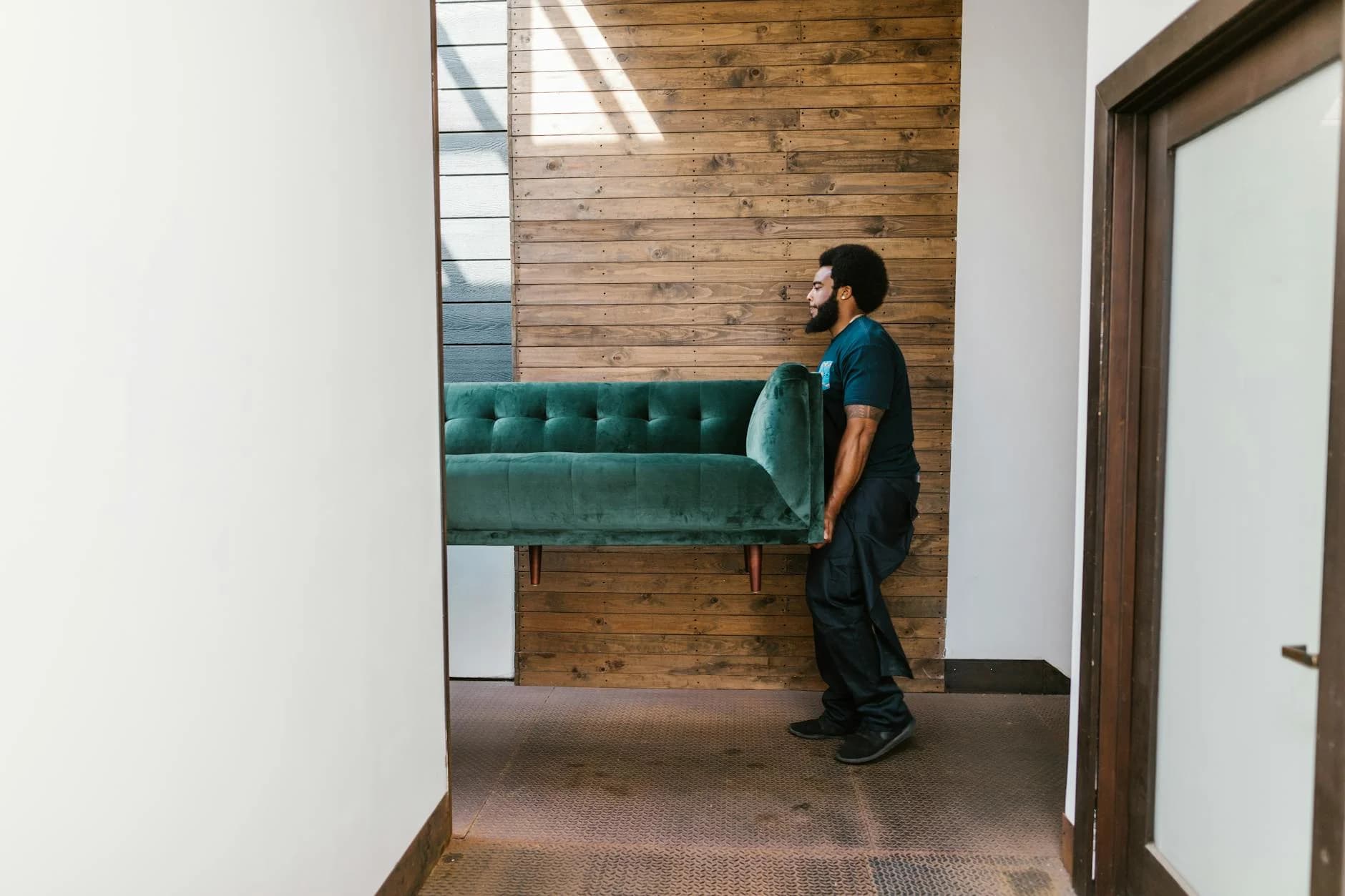
Always lift from structurally sound points. Dragging strains joints and can damage both the piece and your floors. Even sturdy-looking antiques have age-related weaknesses.
Plan Your Route
Measure all entryways, hallways, and staircases in both locations:
- 1Plan the route in advance to avoid tight corners
- 2Remove doors if necessary for clearance
- 3Protect walls and door frames with padding
Climate Considerations in Miami
Miami's subtropical climate poses specific risks to antiques. Average humidity hovers around 75-80%, which can cause wood to swell, warp, or develop mold.
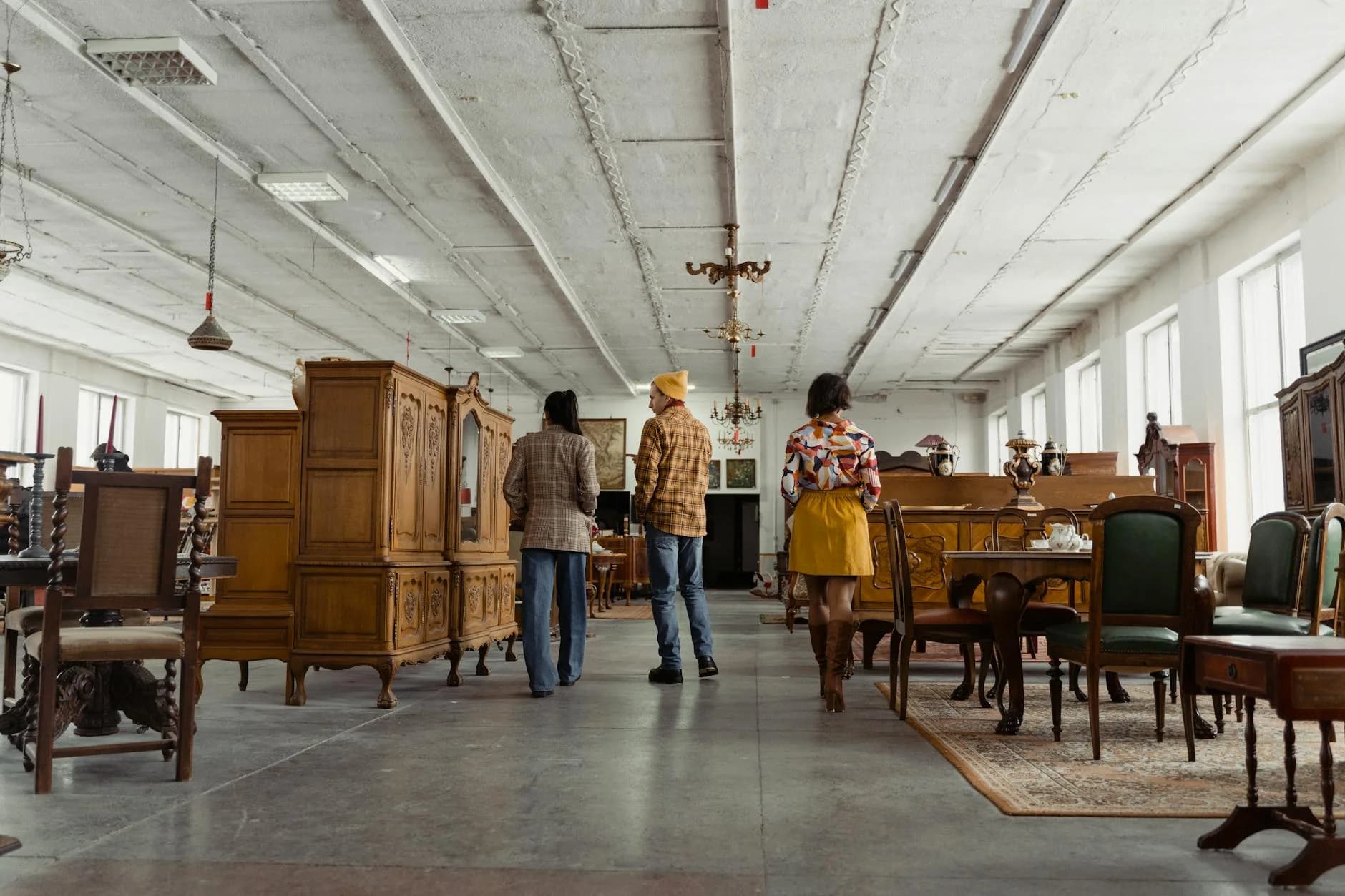
Spring Moving Advantages:
- 1Temperatures between 75-85°F are easier on wood than summer extremes
- 2April and May have lower humidity than summer months
- 3Morning moves (before 10 AM) avoid peak afternoon heat
Protection Strategies:
- 1Climate-controlled transport: Prevents warping, cracking, and mold during the move
- 2Gradual acclimation: Allow pieces to adjust slowly to new environments
- 3Avoid temperature extremes: Never leave antiques in hot vehicles or direct sunlight
- 4Humidity protection: Use desiccants if pieces will be in storage
Local Resources for Antique Owners
Miami has several specialists worth knowing:
- 1Coral Gables antique appraisers: Multiple certified appraisers near Miracle Mile
- 2Wynwood restoration shops: Skilled craftsmen familiar with Art Deco and mid-century pieces
- 3Climate-controlled storage in Doral: Facilities designed for Florida's humidity
If you're moving antiques to or from neighborhoods like Coconut Grove, Coral Gables, or South Beach, coordinate timing to avoid rush hour on US-1 and I-95.
Why Professional Antique Movers Matter
Antique moving requires precision most people lack:
- 1Specialized equipment: Padded dollies, lift straps, and custom crates
- 2Expert handling: Movers trained in antique-specific techniques
- 3Climate-controlled trucks: Protection from temperature and humidity damage
- 4Insurance coverage: Valuation protection for irreplaceable pieces
For extremely valuable items, professionals can build custom protective cases.
Related Services
- 1Packing Services - Professional handling and materials
- 2Full-Service Moving - Complete relocation coordination
- 3Furniture Moving - Heavy item specialists
Ready to Move Your Antiques?
Request your free quote today. We assess each piece individually, recommend appropriate protection, and handle your family heirlooms with the care they deserve.
Read our customer reviews to see how we protect valuable and irreplaceable items.