Some artwork practically dares you to damage it. After years of moving collections across Miami, our team has learned which types of art need...
# 6 Most Fragile Types of Artwork to Transport
Some artwork practically dares you to damage it. After years of moving collections across Miami, our team has learned which types of art need the most careful handling. These six categories top the list for fragility, and each one requires specific techniques to arrive safely at the destination.
1. Works on Paper
Watercolors, pastels, charcoal drawings, prints, and photographs are among the most vulnerable art forms during a move. Paper absorbs moisture from the air, which causes warping, buckling, and mold growth. In Miami's humidity, an unprotected work on paper can start showing damage within hours of exposure. Pastels and charcoal are doubly fragile because the pigment sits loosely on the surface and smudges at the slightest touch. These pieces need acid-free tissue, rigid backing boards, and moisture barriers with silica gel. They should never be placed face-down against any surface during packing.
2. Glass Art and Blown Glass Sculptures
Hand-blown glass sculptures, art glass vessels, and stained glass panels have zero tolerance for impact. A small bump that would barely scuff a wooden frame can shatter a glass sculpture completely. These pieces also tend to have irregular shapes with thin, protruding elements like rims, handles, and decorative extensions that snap easily. Each glass piece needs individual custom padding, often with a foam cradle carved to match its exact shape. Vibration damping inside the crate is just as important as impact protection, because sustained vibration during a drive across town can fatigue thin glass walls until they crack.
3. Encaustic and Wax-Based Art
Encaustic painting, which uses heated beeswax mixed with pigment, creates a beautiful textured surface that's highly sensitive to temperature. In Miami's summer heat, the wax softens enough to pick up impressions from packing materials or adjacent objects. Cold temperatures make the wax brittle and prone to cracking. The ideal transport temperature sits between 65 and 75 degrees, which means climate-controlled vehicles are mandatory. We wrap encaustic pieces with rigid spacers that prevent anything from touching the surface and transport them during cooler hours when possible.
4. Gilded Frames and Leaf-Applied Surfaces
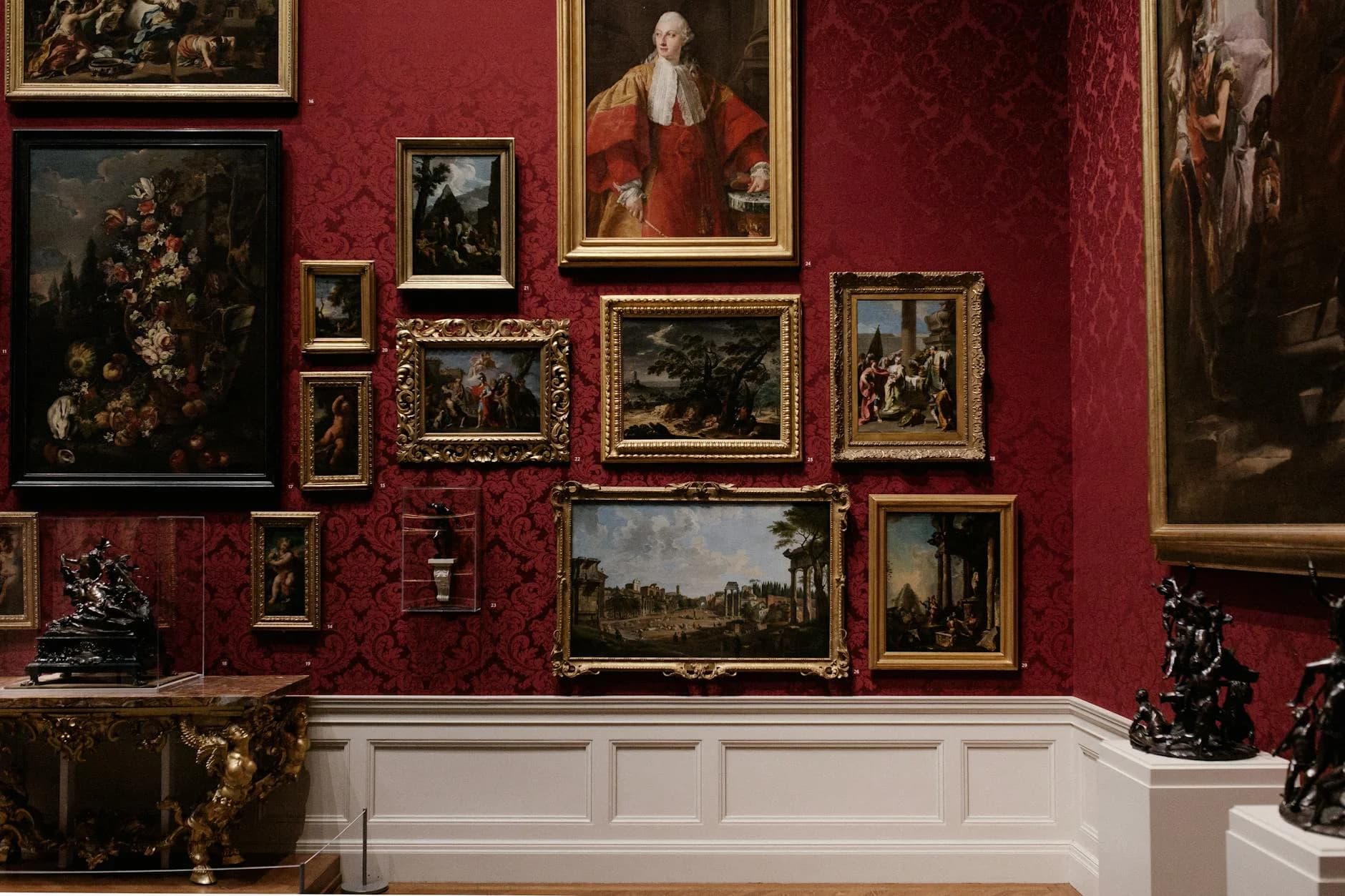
Gold leaf, silver leaf, and other metallic leaf applications are measured in microns of thickness. A fingerprint can leave a permanent mark, and rubbing from wrapping materials can lift the leaf right off the surface. Antique gilded frames, common in many Coral Gables and Coconut Grove estate collections, are especially vulnerable because the original adhesive has weakened over decades. We use soft cotton gloves when handling these pieces and wrap them in acid-free tissue without pressing the material against the gilded surface. Foam corner protectors cover the most exposed areas.
5. Ceramics and Pottery
Fired clay looks solid but is surprisingly brittle on impact. A ceramic vase that withstands daily use on a shelf can crack from a two-inch fall onto a hard floor. Thin-walled porcelain pieces and pieces with applied handles, spouts, or decorative elements are the most vulnerable. Each ceramic piece needs individual wrapping with multiple layers of cushioning, and boxes should be packed tightly enough that the piece cannot shift at all during transport. We pack ceramics in double-walled boxes with at least three inches of padding on every side.
6. Aged Oil Paintings
While new oil paintings are reasonably flexible, older oils become brittle as the paint layers dry and harden over decades. The surface develops a network of fine cracks called craquelure, and any flexing of the canvas can cause paint flakes to lift and separate. Old varnish layers are similarly brittle. These pieces cannot be rolled, and even standard handling that flexes the canvas slightly can cause damage. We keep aged oil paintings on their stretcher bars, wrapped in glassine to prevent any contact with the paint surface, and transport them upright to avoid pressure on the canvas face.

Benefits of Professional Handling for Fragile Art
Working with experienced Art Moving specialists provides:
- 1Expertise: Material-specific techniques for each type of fragile artwork
- 2Equipment: Custom foam cradles, climate-controlled trucks, and vibration-dampening systems
- 3Insurance: Full-value coverage for your most delicate and valuable pieces
- 4Efficiency: Crews who handle fragile art from Miami Beach condos to Pinecrest estates daily
Ready to Get Started?
Request your free quote today. Read our customer reviews to see why Miami collectors trust Rapid Panda Movers with their most fragile artwork.