Miami's humidity is the silent enemy of artwork. While most people worry about dropping a painting or cracking a frame during a move, the bigger threat.
# Transporting Art in Miami Humidity: Precautions to Take
Miami's humidity is the silent enemy of artwork. While most people worry about dropping a painting or cracking a frame during a move, the bigger threat often comes from moisture in the air. Our average relative humidity sits around 75% year-round, spiking above 90% on rainy summer afternoons. For artwork that has lived in a carefully controlled 50% humidity environment inside your home, the transition to outdoor conditions creates an immediate and sometimes irreversible reaction.
What Humidity Does to Artwork
Different materials respond to moisture in different ways, and none of them are good.
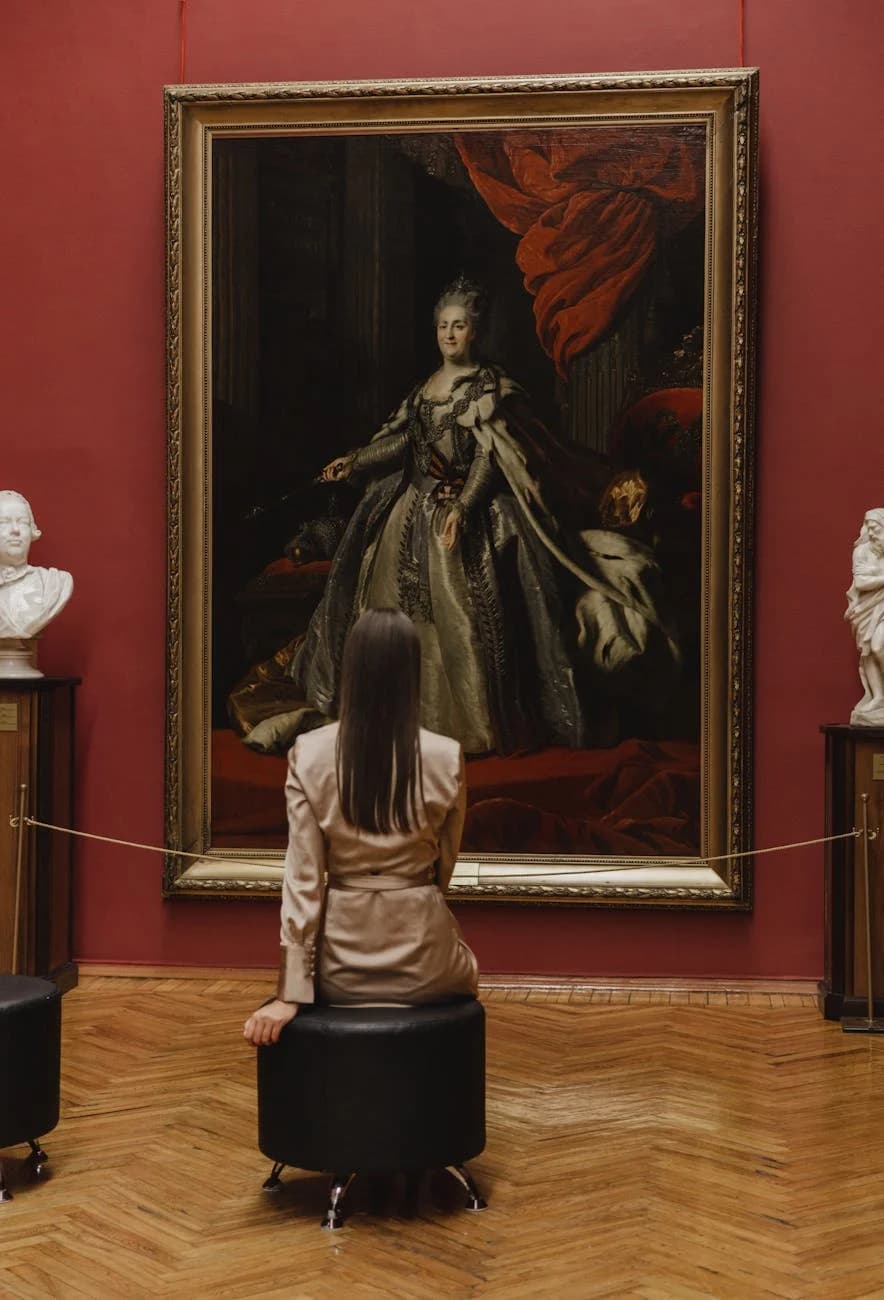
Canvas: Natural fibers like linen and cotton absorb moisture and expand. When the canvas expands but the wooden stretcher bars don't expand at the same rate, the canvas goes slack. If that happens repeatedly, the canvas loses its tension permanently.
Wood: Stretcher bars, panel paintings, and wooden frames absorb moisture and swell. When they dry out again, they can warp, split at joints, or develop cracks. Antique frames with glued joints are particularly vulnerable.
Paper: Works on paper absorb humidity faster than almost any other art material. Warping, buckling, and cockling happen quickly. Once paper fibers distort, they rarely return to their original flat state, even after drying.
Paint surfaces: Oil paint in humid conditions develops a milky haze called "bloom." Varnish layers can cloud. Watercolors and gouache can reactivate and smear if moisture reaches the surface directly.
Mold: Given humidity above 65% and a temperature above 70 degrees, mold can begin colonizing organic materials like canvas, paper, wood, and natural glues within 48 hours. Once mold takes hold, professional conservation treatment is the only safe way to remove it.
Moisture Barriers Are Your First Defense
The most effective humidity protection during transport is a properly applied moisture barrier. We wrap each piece in glassine first, then seal it inside polyethylene sheeting. The polyethylene creates an envelope that prevents outside air from reaching the art surface. Think of it as a raincoat for your painting.
For additional protection, we place conditioned silica gel packets inside the sealed wrapping. These packets absorb excess moisture and help maintain humidity levels around 45% to 50% inside the wrapping, even when the outside air is dripping wet.
The barrier needs to be sealed completely. A gap in the wrapping lets humid air flow in and condense on the cooler art surface. We tape every seam with moisture-resistant tape to create a truly enclosed environment.
Timing Matters
We schedule art pickups and deliveries during the driest, coolest parts of the day. Early morning before 9 AM offers the lowest humidity levels in Miami. Late afternoon, especially after summer rain showers, is the worst time to expose artwork to outdoor air.
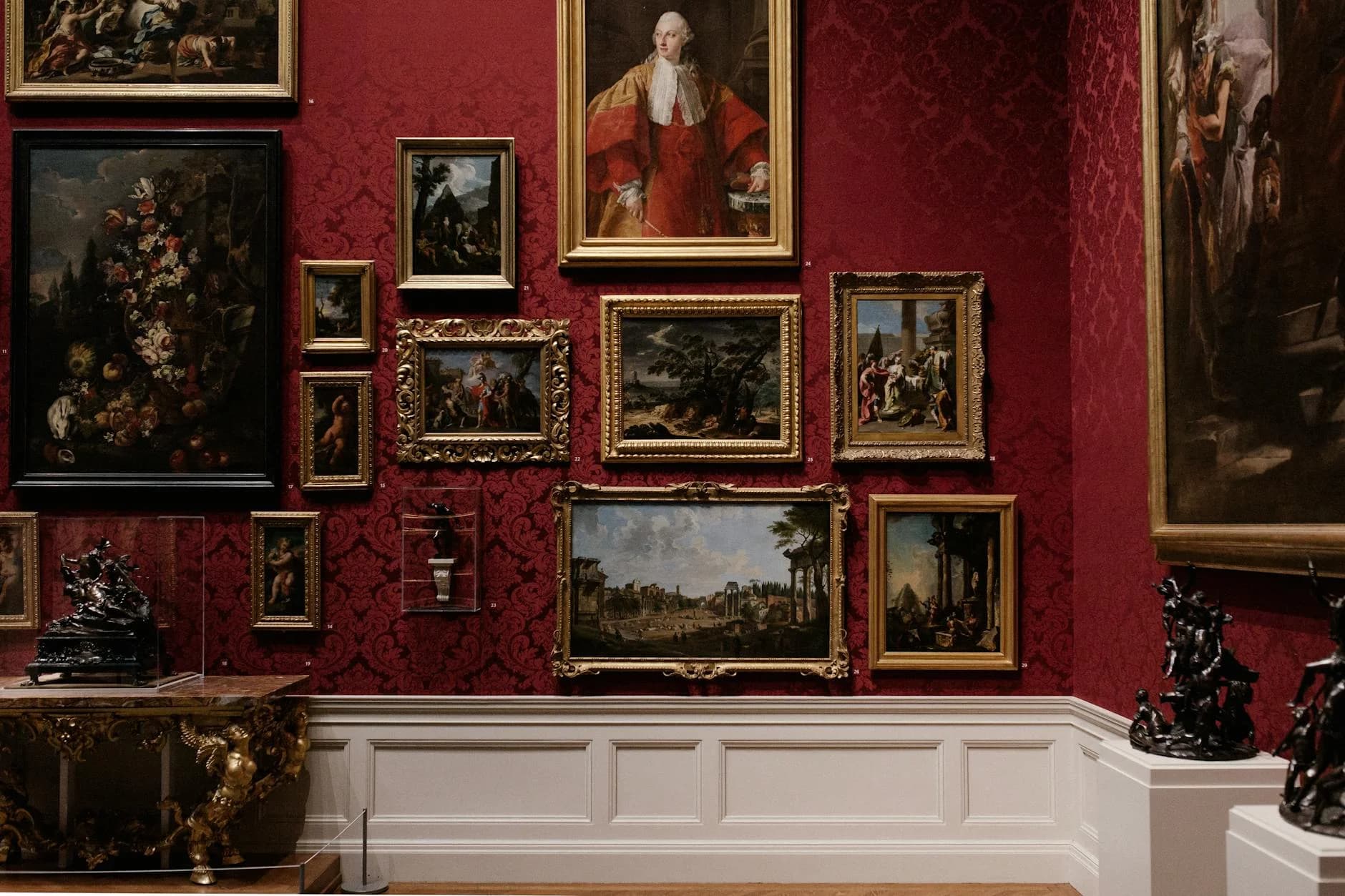
Our loading process minimizes exposure time. The crew stages all wrapped pieces inside the building, then opens the truck doors and loads everything in a single efficient push. The truck doors close immediately. At the destination, the process reverses. We open the truck at the building entrance and move directly inside.
Climate-Controlled Transport
Our art transport vehicles maintain temperature between 65 and 72 degrees with humidity controlled below 55%. This isn't just insulation. Active HVAC systems run independently of the truck engine, maintaining conditions even during stops and loading.
For moves within Miami, the drive time is usually short, but loading and unloading can take an hour or more. Climate control during those stationary periods is just as important as during transit.
At the Destination
Don't rush to unwrap. If the new home or gallery has different humidity conditions than the origin, let the wrapped artwork sit for 24 hours in the new environment. This gradual equalization prevents the shock of sudden humidity changes.
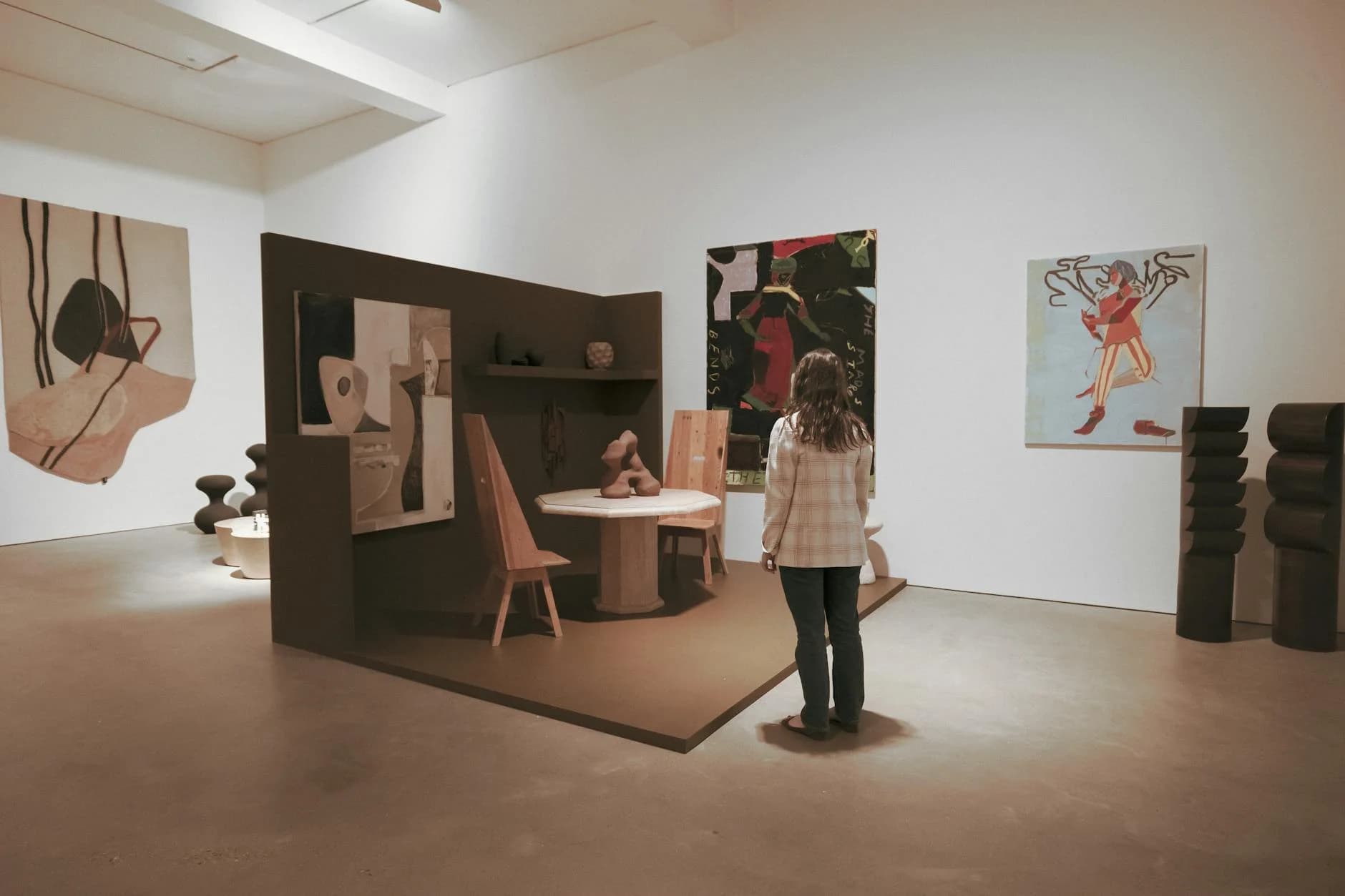
Before hanging, check each piece for any signs of condensation, cloudiness, or surface changes. If you spot moisture under glass or on a canvas surface, keep the piece unwrapped in a controlled environment and let it dry naturally. Do not apply heat.
Benefits of Professional Humidity-Protected Moving
Working with experienced Art Moving specialists provides:
- 1Expertise: Understanding of how Miami's specific humidity affects every art material
- 2Equipment: Vapor barriers, conditioned silica gel, and true climate-controlled trucks
- 3Insurance: Coverage for humidity-related damage during transit
- 4Efficiency: Logistics planned around weather conditions and time of day
Ready to Get Started?
Request your free quote today. Read our customer reviews to see why Miami collectors trust Rapid Panda Movers to protect their art from humidity damage.