Moving appliances without the right prep doesn't just risk the appliance. It risks your home. We've repaired or paid for damage caused by DIY appliance.
# 7 Appliance Moving Mistakes That Damage Your Home
Moving appliances without the right prep doesn't just risk the appliance. It risks your home. We've repaired or paid for damage caused by DIY appliance moves gone wrong, from gouged hardwood in Coral Gables bungalows to cracked marble in Brickell penthouses. Here are the seven mistakes that cause the most property damage, and how to avoid every one of them.
1. Dragging Appliances Across Unprotected Floors
This is the number one cause of floor damage during appliance moves. A refrigerator weighing 300+ pounds on small plastic wheels or metal feet will scratch, gouge, or crack any floor surface when dragged across it. Porcelain tile chips. Hardwood gets deep scratches that go through the finish. Vinyl plank tears at the seams. Even concrete can get scuffed by metal feet. The fix is simple: use Masonite boards, moving blankets, or plastic glide pads to create a protected path. In Miami homes with polished marble entry floors, this step alone can save you $500 or more in floor refinishing.
2. Forcing Appliances Through Narrow Doorways
When a refrigerator is an inch too wide for a doorway, some people try to force it through. The result: cracked door trim, gouged door frames, and dented appliance sides. Older Miami homes in neighborhoods like Little Havana, Shenandoah, and Coconut Grove often have narrower interior doorways than modern homes. The solution is to measure before moving day. If the appliance won't fit, remove the appliance doors (most fridge doors pop off at the hinges) or remove the interior door and trim temporarily. That extra 10 minutes saves hundreds in trim replacement.
3. Not Protecting Walls and Corners
Hallway walls take a beating during appliance moves. A washer on a dolly bumps a corner and punches a hole in the drywall. A refrigerator being rolled down a hallway catches on a wall and leaves a long scrape through the paint. Corner guards and moving blankets hung on walls along the path prevent this. In condos, the damage extends to shared hallways and elevator interiors, which means charges from the building management on top of your own repair costs.
4. Leaving Water Connections Attached
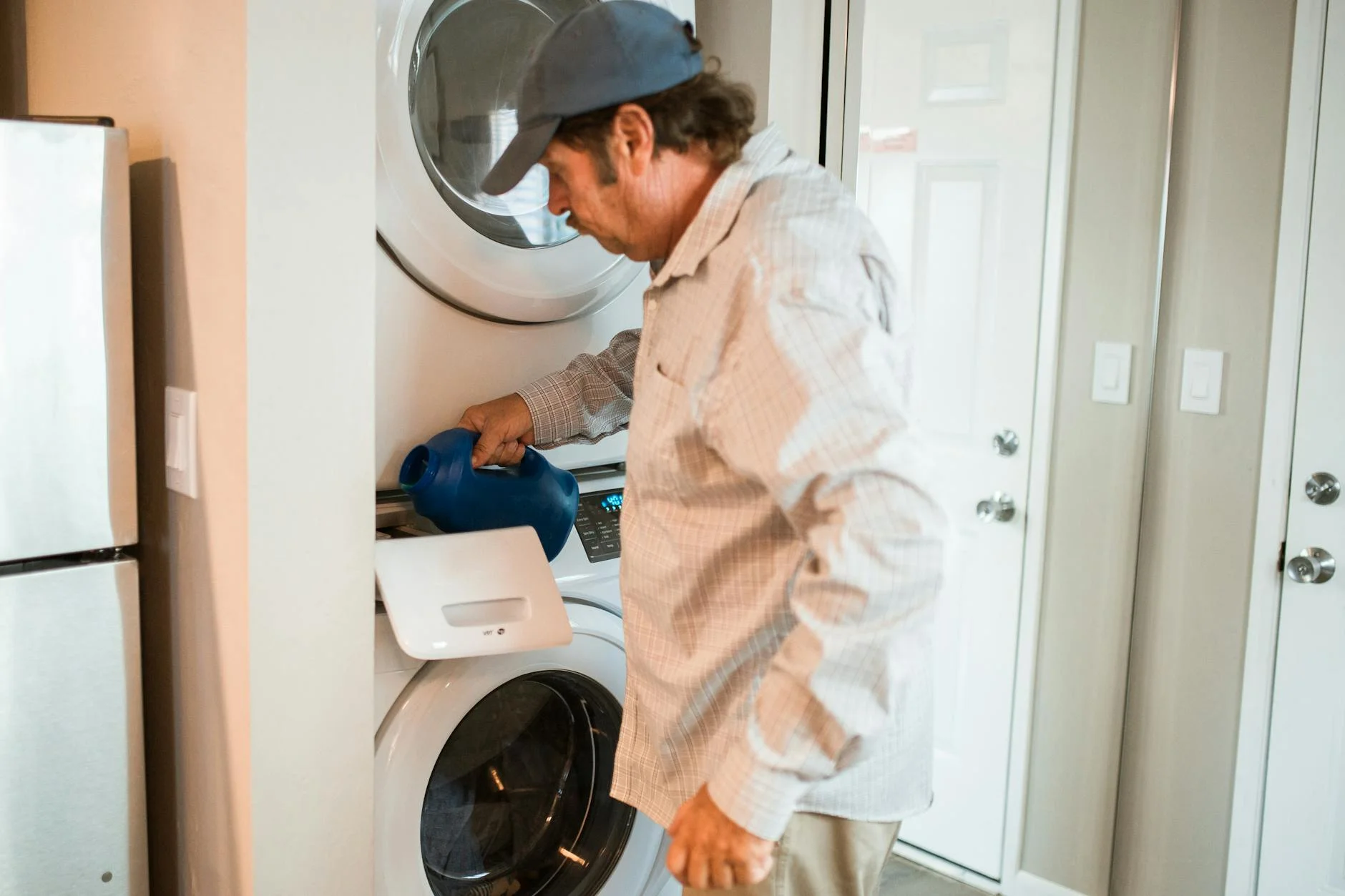
This mistake causes water damage, which is the most expensive type of property damage during a move. Someone starts pulling a refrigerator away from the wall and forgets about the water line running to the ice maker. The line snaps at the connection point, and water sprays across the kitchen floor. If the shutoff valve is behind the fridge (now pulled away from the wall), you're scrambling to turn it off while water pools under cabinets and seeps into the subfloor. We've seen this cause $2,000+ in water damage restoration in Miami homes where the water reached adjacent rooms. Always disconnect all water lines before moving any appliance.
5. Ignoring Weight Limits on Stairs
Staircases have weight limits, especially in older construction. A 400-pound commercial refrigerator being carried down a wooden staircase in a 1950s Miami home can crack treads, break stringers, and damage the banister. The combined weight of the appliance plus the movers concentrates on individual steps during the descent. Use stair-climbing dollies that distribute weight across multiple steps, and check the condition of the stairs before starting. If the stairs are older or showing signs of wear, reinforce them or find an alternate path.
6. Scratching Cabinets and Countertops During Removal
Built-in dishwashers and cooktops sit flush with surrounding cabinetry. Pulling them out without care means the metal edges scrape against cabinet faces, countertop lips, and the underside of granite or quartz counters. In kitchens with custom cabinetry (common in renovated homes throughout Pinecrest and Palmetto Bay), a single deep scratch on a cabinet panel can mean replacing the entire door to match the rest of the set. Protect adjacent surfaces with painter's tape and cardboard before sliding any built-in appliance out of its opening.
7. Dropping Appliances on Thresholds and Transitions
The transition between different flooring types (tile to wood, carpet to tile) often includes a raised threshold or transition strip. Rolling a heavy appliance over these strips at speed can crack the strip, chip the edges of the adjacent flooring, or catch a wheel and tip the appliance. Slow down at every floor transition. Lift the dolly over thresholds rather than rolling over them. For raised transitions, use a small ramp or bridge made from a piece of plywood.
How to Protect Your Home During an Appliance Move
Professional Appliance Moving includes full property protection at every job. Our crews lay floor protection, pad walls and corners, disconnect all utility lines properly, and use equipment rated for the weight of each appliance. The cost of professional movers is a fraction of what you'd spend repairing the damage from a single mistake.
Ready to Get Started?
Request your free quote today. Read our customer reviews to see why Miami homeowners trust Rapid Panda Movers to protect their homes during appliance moves.