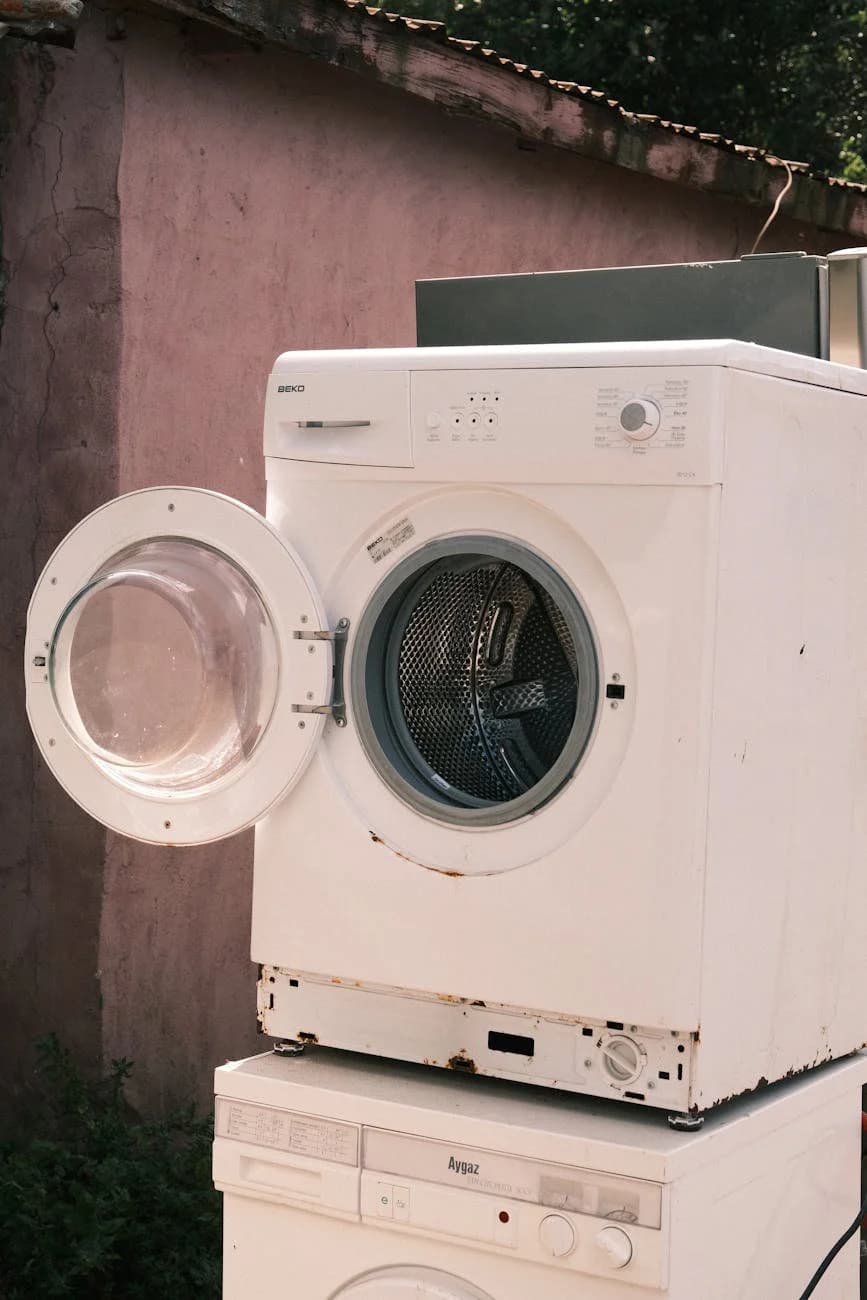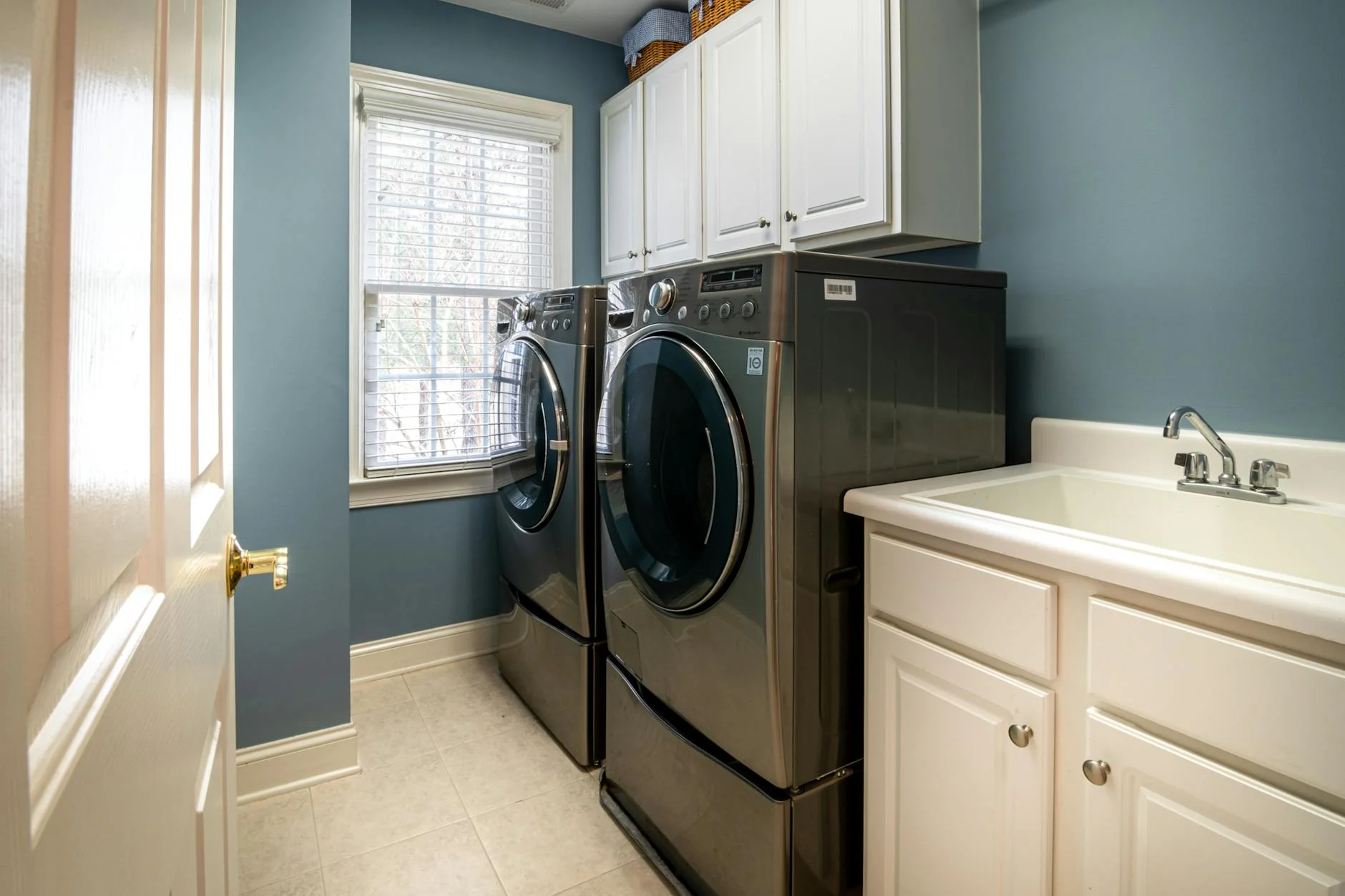

The type of fuel your appliances use changes everything about how they need to be disconnected, moved, and reconnected.
# Gas vs Electric Appliances: Different Moving Requirements
The type of fuel your appliances use changes everything about how they need to be disconnected, moved, and reconnected. Electric appliances are straightforward: unplug, move, plug back in. Gas appliances involve shutoff valves, supply line disconnections, leak testing, and often a licensed professional. If you're moving within Miami-Dade County, knowing the difference saves you time, money, and potential safety issues.
Which Appliances Come in Gas and Electric
- 1Oven/Range: Gas and electric versions are both common. Gas ranges are popular in Miami homes with natural gas service, especially in older neighborhoods like Coral Gables and South Miami.
- 2Dryer: Gas dryers use a 120V outlet plus a gas line. Electric dryers use a dedicated 240V outlet. They look nearly identical from the outside.
- 3Water Heater: While not a typical "moving" appliance, tankless water heaters are sometimes relocated during renovations.
- 4Cooktop: Built-in cooktops come in gas, electric, and induction varieties.
- 5Outdoor Grill: Built-in gas grills connected to a natural gas line need professional disconnection.

Refrigerators, washers, dishwashers, and microwaves are almost exclusively electric, so they follow simpler moving protocols.
Moving Electric Appliances
Disconnection
Electric appliances connect via a standard plug. Ranges and dryers use 240V outlets with larger, specialized plugs (either 3-prong NEMA 10-30 or 4-prong NEMA 14-30 for dryers, and NEMA 10-50 or 14-50 for ranges). Unplug the unit by gripping the plug firmly and pulling straight out. Never yank by the cord.
For built-in electric cooktops and wall ovens, the connection is usually hardwired through a junction box behind the unit. Turn off the circuit breaker before opening the junction box. Disconnect the wires, cap them with wire nuts, and tape them to prevent accidental contact.
Transport
No special considerations beyond the standard appliance moving practices: keep upright when possible, pad and strap, protect floors.
Reconnection
Plug in and test. For hardwired appliances, reconnect the wires in the junction box (black to black, white to white, green or bare copper to ground). Turn on the breaker and test.
One common issue in Miami: your new home may have a different outlet type. Older homes sometimes have 3-prong 240V outlets while newer homes have 4-prong outlets (which became code in the 1990s). You can either replace the appliance cord to match the outlet or have an electrician update the outlet. Both are quick fixes, but you need to know about it before moving day.
Moving Gas Appliances
Disconnection

Gas disconnection is a different situation entirely. Natural gas and propane are flammable, and improper disconnection can cause leaks that lead to explosions or carbon monoxide exposure.
Here's the process:
- 1Turn off the gas shutoff valve. The valve is on the gas supply line behind or near the appliance. Turn the handle perpendicular to the pipe (crosswise means closed).
- 2Disconnect the flexible gas connector. Use two wrenches: one to hold the shutoff valve steady and one to loosen the connector fitting. Gas connectors use flare fittings or threaded connections. Don't reuse old flexible connectors when reconnecting, as they should be replaced every time they're disconnected per safety guidelines.
- 3Cap the gas line. After removing the appliance, cap the open gas pipe with a brass cap and pipe joint compound to prevent any residual gas from escaping.
In Miami-Dade County, building codes require licensed professionals for gas work in multi-unit residential buildings. Even in single-family homes, we recommend professional disconnection and reconnection. The cost is typically $75-$150 per appliance and it's worth the peace of mind.
Transport
Gas appliances themselves transport the same way as electric ones. The gas connection point is sealed, so there's nothing leaking during the move. Remove burner grates and knobs from gas ranges to prevent damage.
Reconnection
Reconnecting gas appliances requires:
- 1A new flexible gas connector (the right length and diameter for your appliance)
- 2Pipe joint compound or gas-rated Teflon tape on all threaded connections
- 3A gas leak test after connecting: apply a soapy water solution to every joint and watch for bubbles when the gas is turned on
- 4Testing each burner for proper ignition and flame color (should be blue, not yellow)
Again, a licensed professional should handle this in most cases. Gas leaks that go undetected are a serious hazard, especially in the enclosed kitchens of Miami condos and apartments where ventilation may be limited.
When Gas and Electric Don't Match
Here's a scenario we encounter regularly: a family moves from a home with a gas range to a condo that only has electric hookups. Or they're coming from an all-electric apartment to a house with gas lines. In these cases, you have three options:
- 1Buy a new appliance that matches the hookup type at the new home
- 2Convert the appliance (some ranges and dryers have conversion kits to switch between gas and electric, but this requires professional installation)
- 3Install new hookups at the new home (adding a gas line or a 240V circuit, which requires permits and professional work)
Check what hookups exist at the new home well before moving day. Walking into a house on move-in day and discovering your gas dryer has nowhere to connect is a frustrating surprise.
Why This Matters for Your Move
Knowing whether your appliances are gas or electric affects your Appliance Moving timeline, your budget, and whether you need to schedule a licensed professional. We coordinate all of this as part of our full-service appliance moves throughout Miami-Dade County.

Ready to Get Started?
Request your free quote today. Read our customer reviews to see why Miami families trust Rapid Panda Movers with both gas and electric appliance moves.