The kitchen holds the heaviest, most expensive, and most complicated items in your home. Between the refrigerator, oven, dishwasher, and microwave, you're.
# Moving Kitchen Appliances: A Step-by-Step Guide
The kitchen holds the heaviest, most expensive, and most complicated items in your home. Between the refrigerator, oven, dishwasher, and microwave, you're looking at close to a thousand pounds of equipment that all needs specialized handling. Whether you're moving from a house in Palmetto Bay to a high-rise in Downtown Miami, these steps will help you get your kitchen appliances to the new place safely.
Step 1: Take Inventory and Measure
Before you do anything else, make a list of every kitchen appliance you're moving. Include dimensions and weight estimates. Then measure the doorways, hallways, and elevators at both your current home and your new one. Miami condos are notorious for narrow hallways and small freight elevators, especially in older buildings along Collins Avenue and Biscayne Boulevard. Knowing your clearances now prevents a frustrating surprise on moving day.
Step 2: Gather Your Supplies
You'll need:
- 1Appliance dolly (not a regular hand truck)
- 2Moving blankets or furniture pads
- 3Appliance-safe tape (not duct tape on stainless steel)
- 4Ratchet straps
- 5Adjustable wrench and pliers
- 6Towels and a bucket
- 7Zip-lock bags for small hardware
- 8A phone or camera for photos of connections
Step 3: Prep the Refrigerator (24-48 Hours Before)
Start with the fridge since it needs the most lead time. Use up or donate perishable food in the days before the move. Unplug the unit 24 hours ahead and leave the doors open to defrost. Place towels around the base to soak up meltwater. In Miami's year-round warmth, even a quick defrost session produces more water than you'd expect. Remove all shelves, drawers, and bins. Wrap them individually and pack in a labeled box. Disconnect the water line if you have an ice maker, and tape the cord to the back.
Step 4: Prep the Oven and Range
Pull the oven away from the wall gently. For electric ranges, unplug the unit from the 240-volt outlet. For gas ranges, turn off the gas valve and have a licensed technician disconnect the gas line. Remove oven racks, burner grates, drip pans, and knobs. These pieces scratch and break easily in transit, so wrap them in packing paper and box them separately. Place a small bag of all knobs and hardware in a labeled zip-lock bag and tape it to the range.
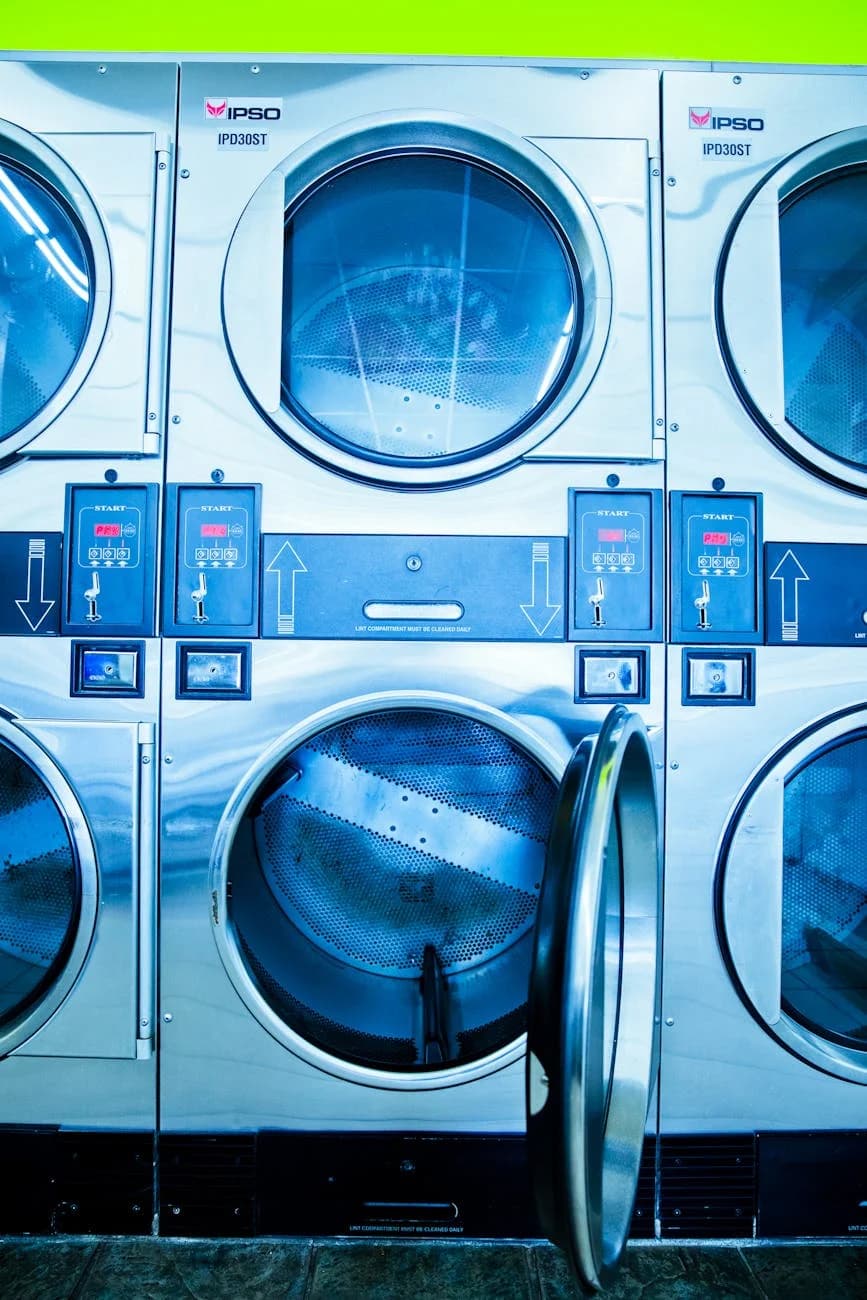
Step 5: Prep the Dishwasher
Run an empty hot cycle the night before to clear out residual food and grease. After the cycle, turn off the water supply under the sink. Disconnect the drain hose and water supply line, letting them drain into a bucket. Leave the dishwasher door cracked open overnight so the interior dries out. If the dishwasher is built into the cabinetry, remove the mounting screws at the top that attach it to the countertop. Gently slide it out from the cabinet space.
Step 6: Prep Small Countertop Appliances
Microwaves, toasters, blenders, and stand mixers are easier to handle but still need attention. Clean each one thoroughly. Wrap glass components (turntables, blender jars, food processor bowls) individually with packing paper. Pack small appliances in boxes with padding on all sides. Label each box by room so they go straight to the right spot at the new kitchen.
Step 7: Protect Your Floors and Walls
Lay down Masonite sheets or thick moving blankets along the path from the kitchen to the door. Many Miami homes have porcelain tile or engineered hardwood that scratches easily under the weight of a rolling appliance dolly. Protect corners and doorframes with foam padding, especially if you're moving through tight spaces.
Step 8: Load and Secure in the Truck
Load the heaviest appliances first. Refrigerators and ranges go against the front wall of the truck, standing upright. Strap each unit to the truck wall using ratchet straps. Place moving blankets between appliances and any items next to them. Dishwashers can lay flat if needed, but keep them stable so they don't slide around during transit.
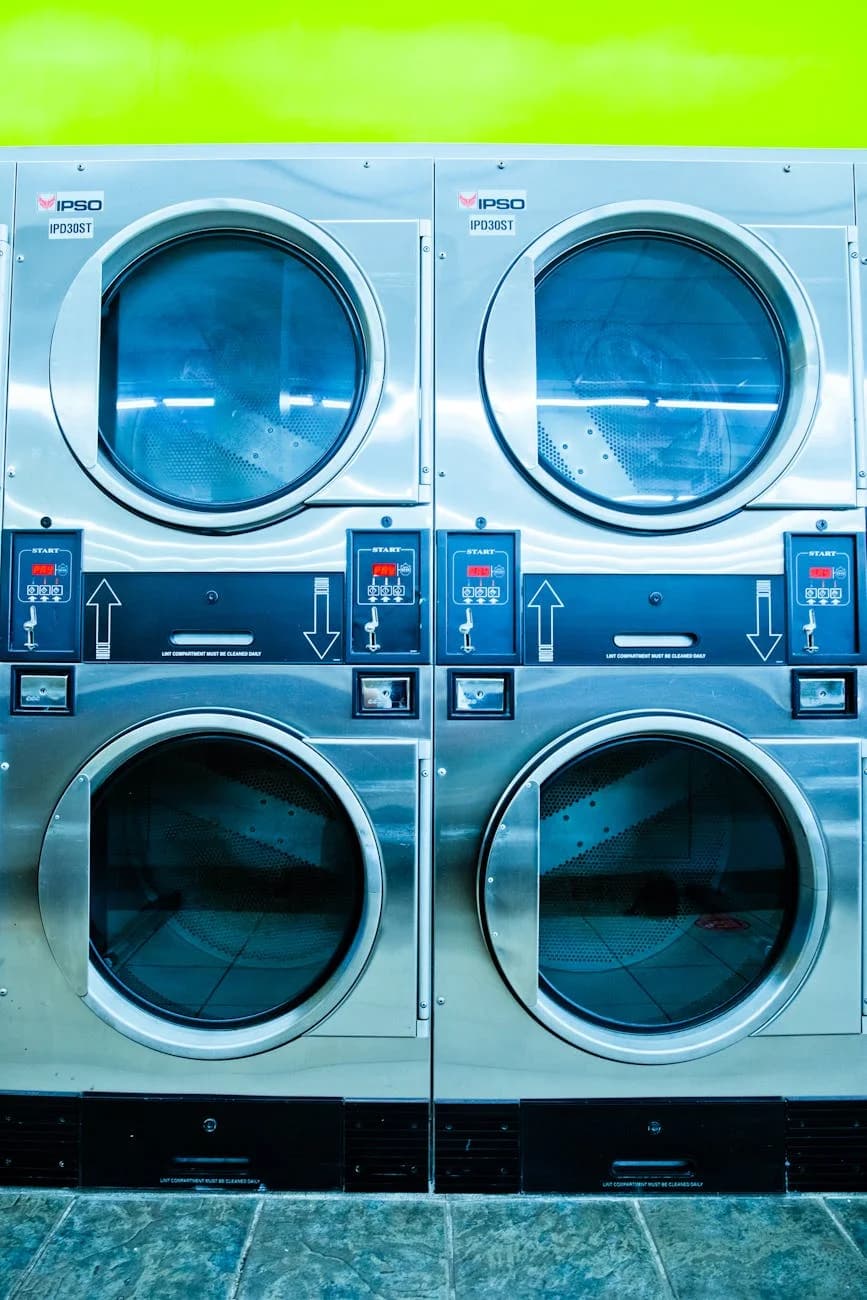
Step 9: Reconnect at the New Home
At your new place, position each appliance near its hookups before connecting anything. Check that water, gas, and electrical connections match what your appliances need. Connect water lines, plug in electrical, and have gas lines reconnected by a professional. Run test cycles on the dishwasher and washer. Let the refrigerator sit upright for at least two hours before plugging it in, especially if it was tilted at any point during the move.
Why Professional Kitchen Appliance Moving Makes Sense
Our Appliance Moving team handles full kitchen moves regularly throughout Miami-Dade County. We bring the right equipment, manage all disconnections and reconnections (including coordinating gas line work), and protect your floors and walls throughout the process.
Ready to Get Started?
Request your free quote today. Read our customer reviews to see why Miami homeowners trust Rapid Panda Movers with their kitchen appliance moves.