Mixed media artwork and art installations push the limits of what a moving team can handle. We're not talking about a framed canvas in a predictable.
# Moving Mixed Media and Fragile Art Installations
Mixed media artwork and art installations push the limits of what a moving team can handle. We're not talking about a framed canvas in a predictable rectangle. These are pieces with electronics, suspended components, found objects, resin layers, projected elements, and materials that react to touch, light, and humidity. Miami's contemporary art scene, especially in Wynwood and the Design District, produces a lot of work that falls into this category. Moving it requires creative problem-solving on top of standard art handling skills.
What Makes Mixed Media Different
A traditional oil painting has a predictable structure: canvas stretched over wood bars, framed or unframed, flat. Mixed media breaks all of those assumptions. A single piece might combine paint, fabric, wire, glass, wood, metal, paper, plastic, and organic materials. Each material has different weight, flexibility, fragility, and sensitivity to temperature and humidity.
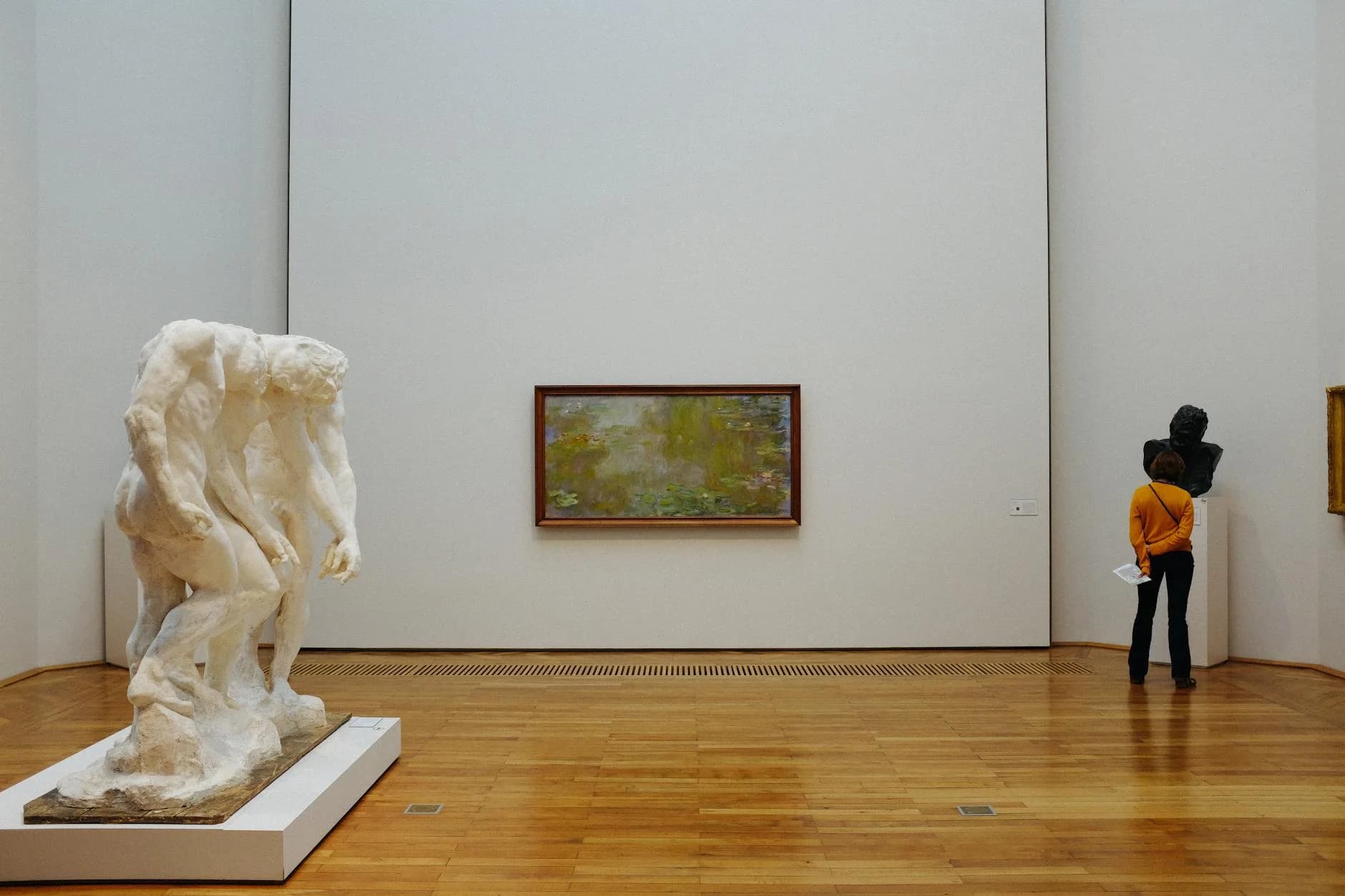
The challenge is that there's no one-size-fits-all packing method. A piece with embedded glass fragments needs different protection than one with projecting wire elements. A work incorporating beeswax softens in Miami heat. A piece with real feathers or dried flowers can shed material if handled roughly.
Documenting the Piece Before Anything Moves
With mixed media, documentation is even more important than with traditional artwork. Photograph every angle, every component, and every connection point. If the piece has elements that move or hang, document their resting position. If it includes electronics, note the wiring layout and photograph cable connections.
For installations that occupy an entire wall or room, create a diagram showing the spatial relationship between all components. Measure the distances between elements and mark their positions on the wall or floor. This documentation becomes the blueprint for reinstallation.
Disassembly Strategy
Many installations can and should be partially disassembled for transport. The key is knowing which connections are designed to come apart and which are permanent. Work with the artist if possible. They built the piece and know which components detach safely.
Label every removed part with its position and orientation. Number the components and create a corresponding numbered diagram. Pack each component individually with padding appropriate to its material.
For pieces that cannot be disassembled, you're moving the entire assembly as one unit. This often means building a custom enclosure around the piece rather than wrapping it. The enclosure keeps components in their correct positions and prevents anything from shifting.
Packing Materials for Unusual Surfaces
Mixed media surfaces demand material-specific solutions:
- 1Resin and encaustic (wax): These surfaces dent easily and soften in heat. Use rigid barriers like foam board or cardboard placed over the surface with spacers so nothing touches the art. Keep the piece away from heat sources.
- 2Textiles and fiber: Acid-free tissue between layers prevents color transfer. Avoid compressing dimensional fabric elements.
- 3Metal components: Wrap individually to prevent scratching and galvanic reactions between different metals.
- 4Glass and mirror elements: Tape exposed glass surfaces and cushion with foam. These components are often the most fragile part of the piece.
- 5Electronics: Remove batteries to prevent corrosion. Wrap screens and projectors separately with anti-static materials.
Climate Considerations in Miami
Mixed media pieces with organic components, wood, paper, fabric, plant material, are particularly sensitive to Miami's humidity. Moisture causes swelling, mold growth, and degradation of natural adhesives. Seal these pieces in moisture barriers with silica gel packets before they leave the climate-controlled interior.
Wax-based media (encaustic) presents the opposite problem. Miami's heat softens wax surfaces, causing them to pick up impressions from anything they touch. Transport these pieces in the coolest part of the day and keep them in climate-controlled vehicles.
Benefits of Professional Mixed Media Moving
Working with experienced Art Moving specialists provides:
- 1Expertise: Problem-solving for non-standard materials, shapes, and assembly requirements
- 2Equipment: Custom enclosures, climate-controlled transport, and specialized padding
- 3Insurance: Coverage tailored to complex contemporary artworks
- 4Efficiency: Crews experienced with Wynwood galleries and contemporary art fairs
Ready to Get Started?
Request your free quote today. Read our customer reviews to see why Miami's contemporary art community trusts Rapid Panda Movers.