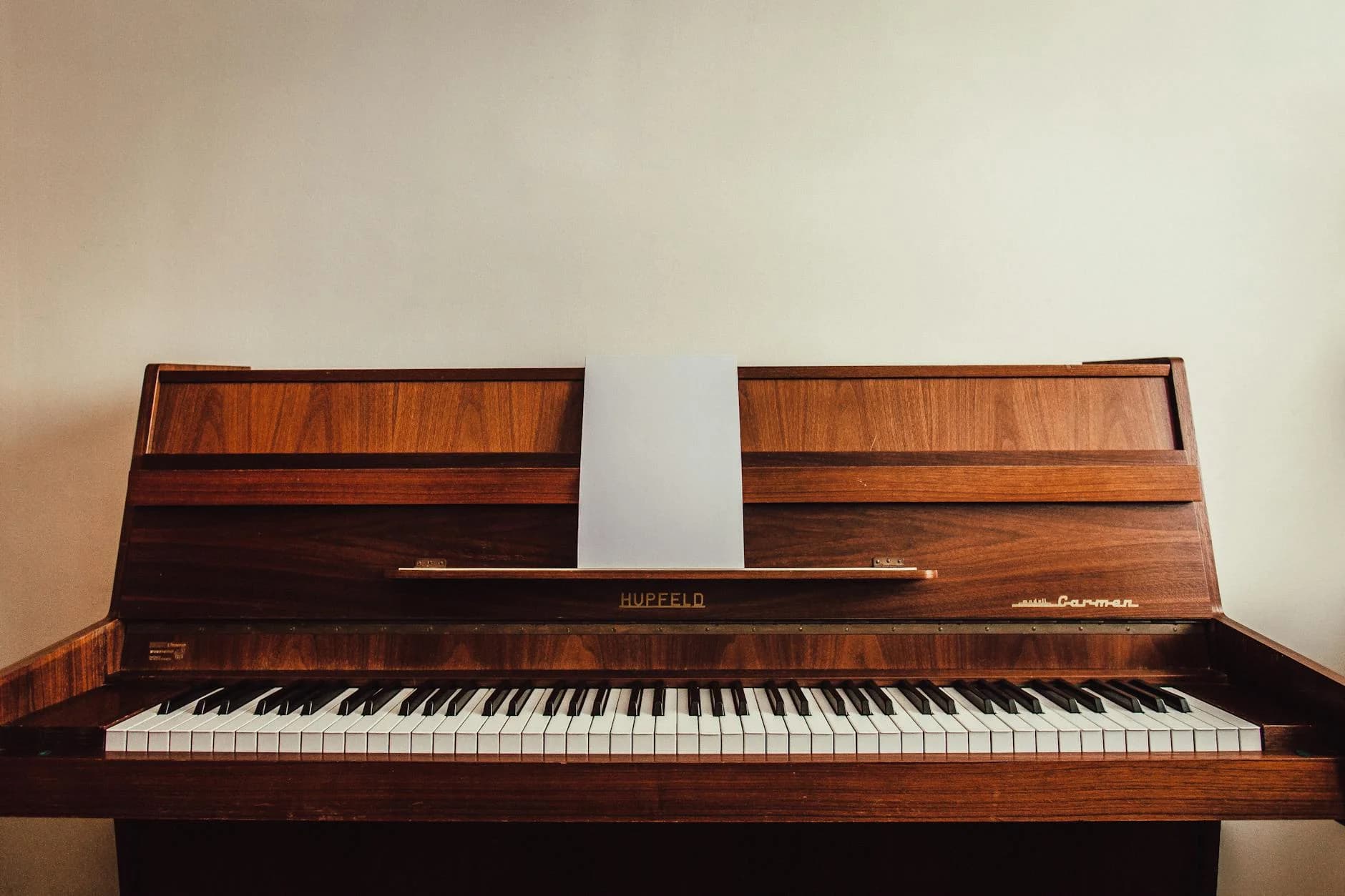

Most people know that dropping a piano is bad. But the obvious risks aren't the ones that catch piano owners off guard.
# 5 Surprising Things That Can Damage a Piano During a Move
Most people know that dropping a piano is bad. But the obvious risks aren't the ones that catch piano owners off guard. After years of Piano Moving in Miami, we've seen damage come from sources that nobody expected. Here are five that surprise people the most.
1. Humidity Changes Between Indoors and Outdoors
Your air-conditioned Miami home sits at about 45-50% humidity. Step outside, and it's 80-90%. That swing happens the moment the piano crosses the threshold, and the wood starts reacting immediately.

The soundboard absorbs moisture from humid air and swells. Glue joints soften slightly. Felt on hammers and dampers puffs up. The piano won't fall apart in 10 minutes, but the damage is cumulative. A piano that spends an hour in Miami's outdoor air during loading, driving, and unloading can develop tuning instability, sluggish action, and in severe cases, a bowed soundboard.
The fix is simple but requires planning: minimize outdoor exposure time. Professional movers stage everything before the piano comes outside and load it directly into the truck. The less time between your air-conditioned home and the truck, the better.
2. Tape Residue on the Finish
Movers who don't specialize in pianos sometimes use packing tape to secure blankets. When that tape touches the piano's finish, the adhesive bonds to the lacquer or polyester coating. Pulling the tape off can lift the finish, leaving a permanent mark. In Miami's heat, adhesive gets even stickier and harder to remove cleanly.
Even painter's tape, which is designed for low residue, can leave marks on piano finishes if left on for more than a few hours. The heat inside a truck accelerates the adhesive's bonding with the surface.
Professional piano movers use stretch wrap over blankets (which sticks to itself, not to the piano) and padded straps. Tape never touches the instrument.
3. Belt Buckles, Zippers, and Jewelry
A crew member's belt buckle brushing against a high-gloss grand piano leaves a scratch. A zipper on a jacket sleeve dragging across the lid creates a line of marks. A watch or ring catching the edge of the fallboard chips the finish.

These are the kind of micro-incidents that add up. Each one is small, but together they can leave a piano looking like it went through a rough move even if the heavy lifting went perfectly.
Our crews wear smooth-surfaced clothing without exposed metal. Watches, rings, and belt buckles come off before the job starts. It's a small detail that prevents finish damage on every move.
4. Temperature-Softened Finish Getting Pressed
High-gloss polyester finishes soften when they warm up. A piano that's been sitting in a hot truck for even 30 minutes has a surface that's slightly pliable. At that point, the quilted texture of a moving blanket, the edge of a strap, or the pressure of a piano board can press a permanent pattern or indent into the finish.
This is particularly common in Miami during summer months, when truck interiors can easily reach 120 degrees or more. The finish cools and hardens in its new shape, and the only fix is professional buffing or refinishing.
We prevent this by using a cotton sheet layer between high-gloss surfaces and moving blankets, scheduling moves for cooler morning hours, and keeping transit times short so the piano doesn't sit in a hot truck.
5. Vibration from Unsecured Transport
A piano that isn't strapped against the truck wall can shift during braking, turns, and lane changes. Even small movements, a fraction of an inch with each event, cause the piano to rock against whatever it's next to. Over the course of a 30-minute drive, those micro-movements can wear through blanket layers and scratch the finish, loosen internal components, and shift the piano's position on its board.

The more concerning risk is a sudden stop. An unsecured upright piano can tip forward. An unsecured grand on a board can slide. Either scenario can cause catastrophic damage in an instant.
Every piano we transport is strapped to the truck wall with padded ratchet straps, with secondary securing for longer hauls. The piano should not move at all during transport, period.
Protect Your Piano the Right Way
These five risks are preventable with proper technique, equipment, and awareness. Professional Piano Moving teams deal with all of them on every job, which is why specialized piano movers exist in the first place.
Request your free quote today. Read our customer reviews to see why Miami piano owners trust Rapid Panda Movers to protect their instruments from the risks they didn't know about.