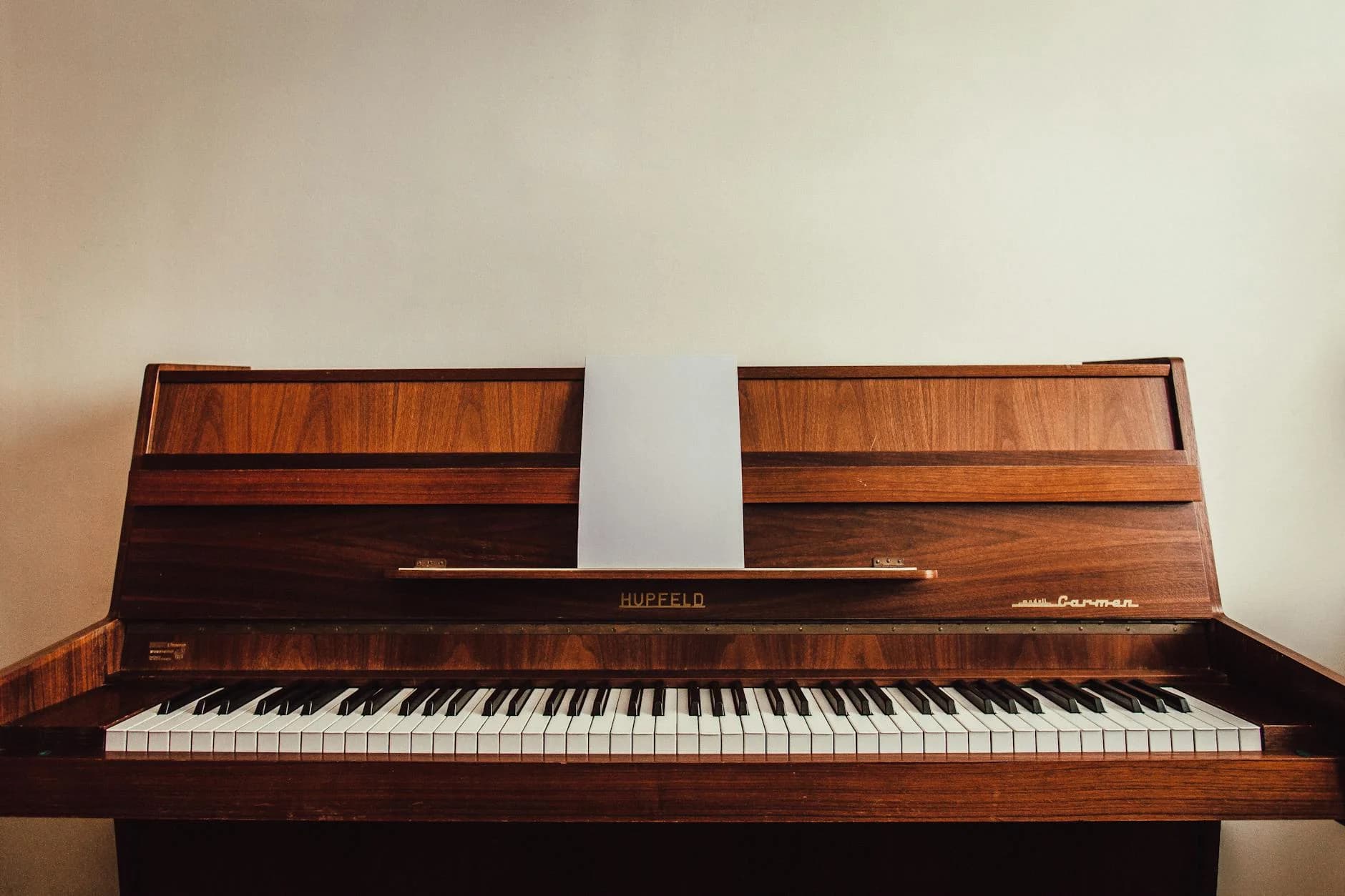

The short answer is yes. Every piano will need retuning after a move, even if the move is just across the street.
# Does Moving a Piano Affect Its Tuning
The short answer is yes. Every piano will need retuning after a move, even if the move is just across the street. But the reason might surprise you. It's usually not because of the physical transport itself. It's because the piano is adjusting to its new environment. For Miami piano owners, where humidity fluctuations are a constant factor, understanding this process can save you both worry and money.
What Actually Causes a Piano to Go Out of Tune
A piano's tuning depends on the tension of over 200 strings, each pulling between 150 and 200 pounds of force against the frame. Those strings are wound around tuning pins embedded in a piece of laminated hardwood called the pin block. The soundboard, a large piece of spruce underneath the strings, amplifies the sound.

Here's the key: the soundboard and pin block are made of wood. Wood expands when it absorbs moisture and contracts when it dries out. When the soundboard swells, it pushes the bridge up slightly, increasing string tension and making the pitch go sharp. When it contracts, pitch drops flat.
This is why your piano goes out of tune after a move. You're taking it from one humidity environment and placing it in another. In Miami, this is especially noticeable. Your old apartment in Brickell might have had a different AC system, different sun exposure, and different ambient humidity than your new house in Pinecrest. The piano needs time to settle.
Does the Physical Move Itself Cause Damage?
A properly executed move by experienced Piano Moving professionals should not cause tuning problems on its own. The vibration of a truck ride, when the piano is properly secured, doesn't generate enough force to turn tuning pins or damage the pin block.
What can cause problems during transport:
- 1Hard impacts: Dropping the piano or hitting a pothole at speed can jolt strings and shift the action
- 2Extreme tilting: Keeping a grand piano on its side for too long can put uneven stress on the frame
- 3Temperature shock: Moving from a 72-degree home into a 95-degree Miami afternoon causes rapid wood expansion
Professional movers minimize all three of these risks through proper wrapping, securing, and route planning.
How Long Should You Wait Before Tuning?
We recommend waiting two to three weeks after the move before calling your tuner. This gives the piano time to acclimate to the humidity and temperature of its new location. Tuning too soon means the piano will go out of tune again quickly as the wood continues adjusting.

If you're moving during Miami's wet season (June through October), the acclimation period might take a bit longer because of the higher humidity swings between indoors and outdoors. Some tuners recommend a "settling tune" shortly after the move, followed by a full tuning a month later.
Tips to Minimize Tuning Problems After a Move
Control Indoor Humidity
Keep your home's humidity between 40% and 50% if possible. In Miami, this means your AC is doing most of the heavy lifting. If you have a room humidistat or a whole-house dehumidifier, set it and monitor it. Many serious piano owners in South Florida use a Dampp-Chaser system, a small climate control unit installed inside the piano that regulates humidity around the soundboard.
Avoid Problem Placements
Don't put the piano against an exterior wall that gets direct afternoon sun. In a Miami home, that usually means avoiding west-facing walls. Keep it away from sliding glass doors, which leak outside air, and away from AC vents that blow directly on the instrument.
Maintain a Regular Tuning Schedule
A piano that gets tuned twice a year holds its tuning better over time. The pin block and strings "settle" into their positions. Skipping tunings for long stretches lets tension drift unevenly, making each subsequent tuning harder and less stable.
What About Digital Pianos?
Digital pianos don't go out of tune because they produce sound electronically. However, the physical keys, action mechanisms, and weighted hammers in higher-end digital pianos can still be affected by rough handling during a move. The tuning concern is specific to acoustic instruments.

The Bottom Line
Moving your piano will require a retuning, but that's a normal part of the process. The real risk isn't the tuning itself; it's damage from an improper move. A cracked soundboard, shifted action, or bent strings are far more expensive to fix than a tuning appointment.
Request your free quote today. Read our customer reviews to see why Miami piano owners trust Rapid Panda Movers to handle their instruments with care.