That glossy black finish on your grand piano isn't just paint. It's typically a polyester or lacquer coating that took weeks of hand-polishing at the.
# Protecting Your Piano's Finish During a Move
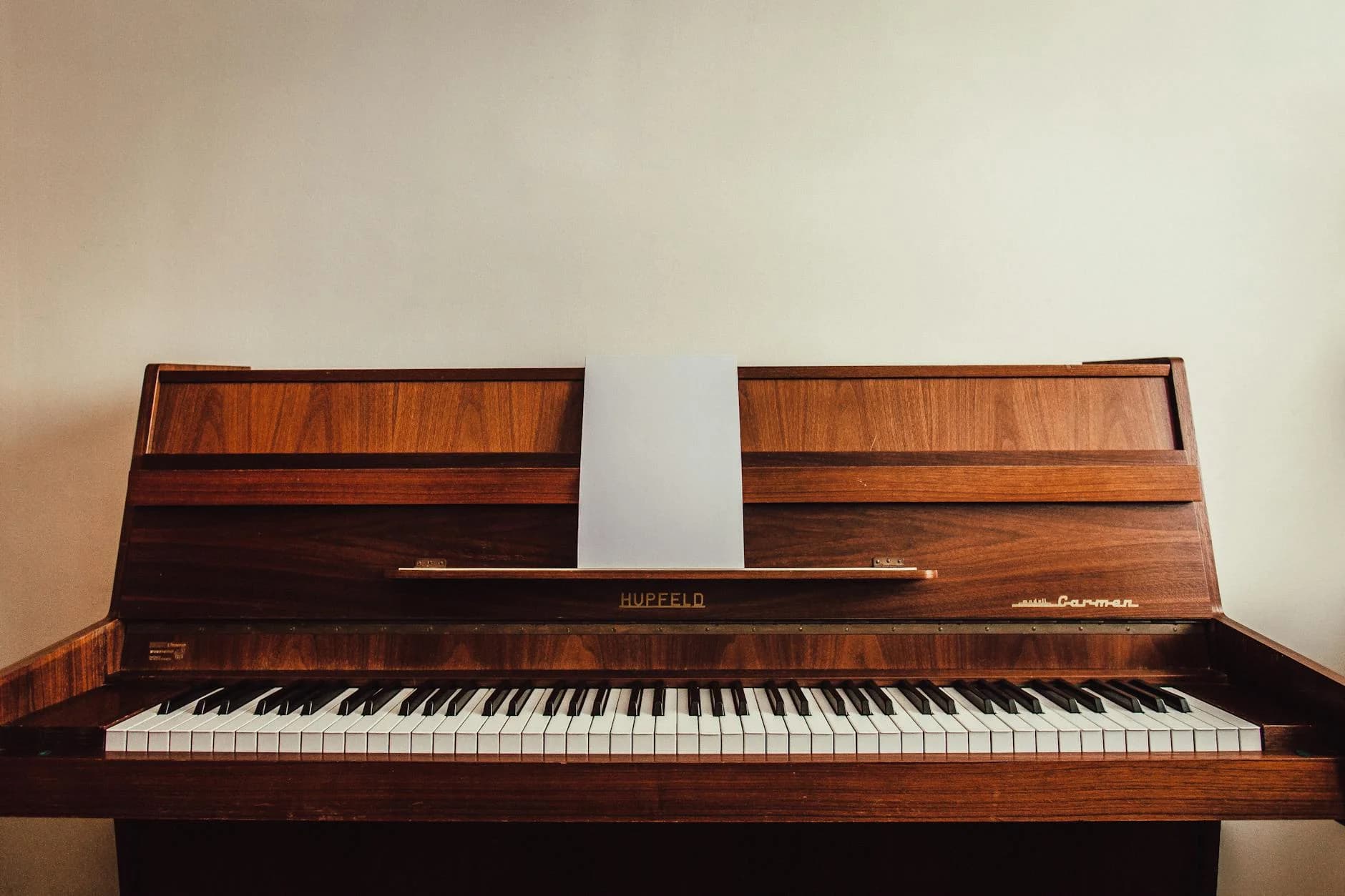
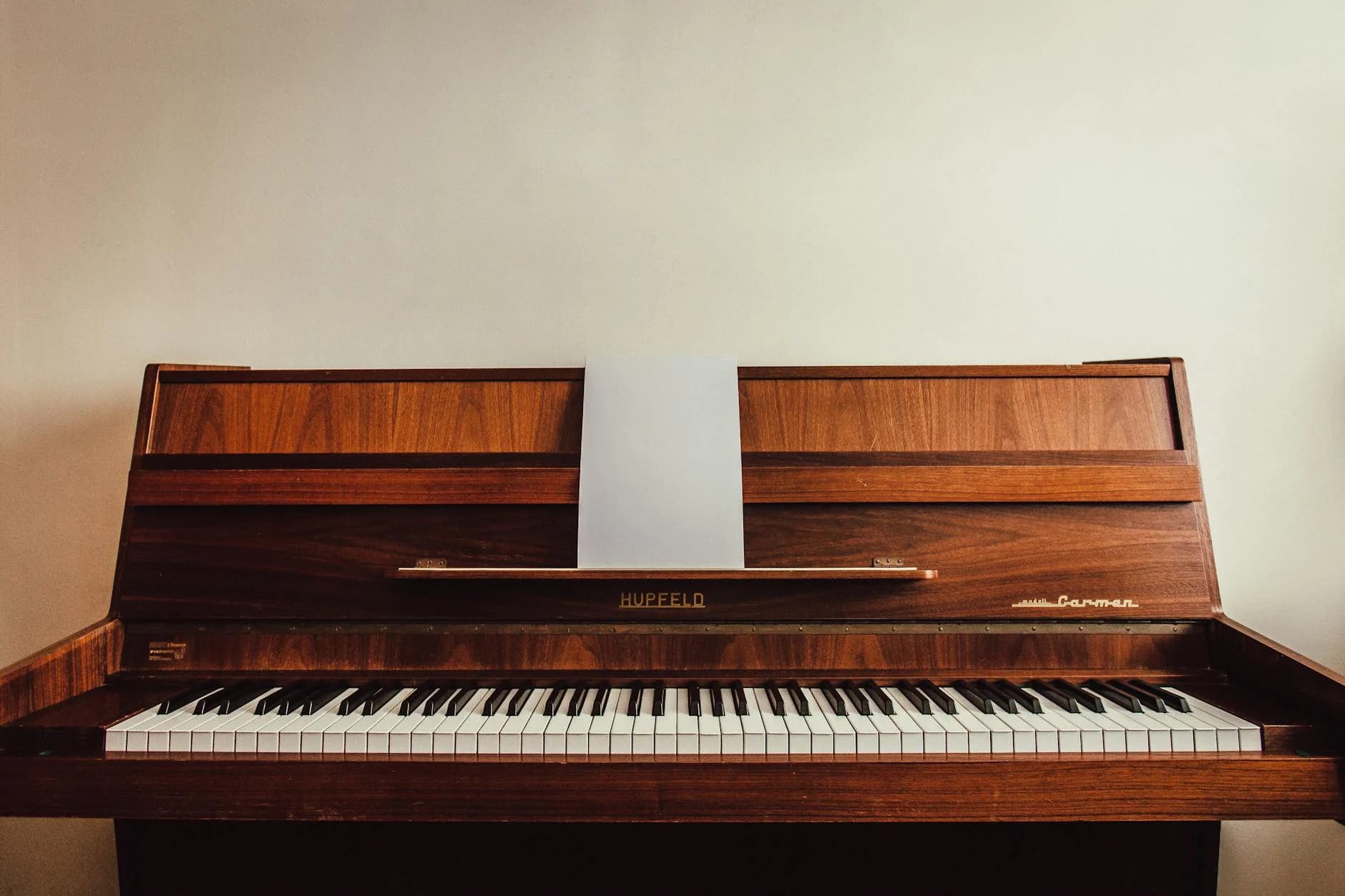
That glossy black finish on your grand piano isn't just paint. It's typically a polyester or lacquer coating that took weeks of hand-polishing at the factory, and it can be ruined in seconds by a careless move. Whether you own a satin-finished upright or a mirror-polished Yamaha grand, protecting that surface during a move takes specific techniques and materials. Here in Miami, our subtropical climate adds another layer of concern that most guides overlook.
Why Piano Finishes Are So Vulnerable
Piano finishes come in three main types: high-gloss polyester, satin lacquer, and traditional hand-rubbed lacquer found on older or higher-end instruments. All three share a common weakness: they scratch, dent, and stain far more easily than the finish on regular furniture.
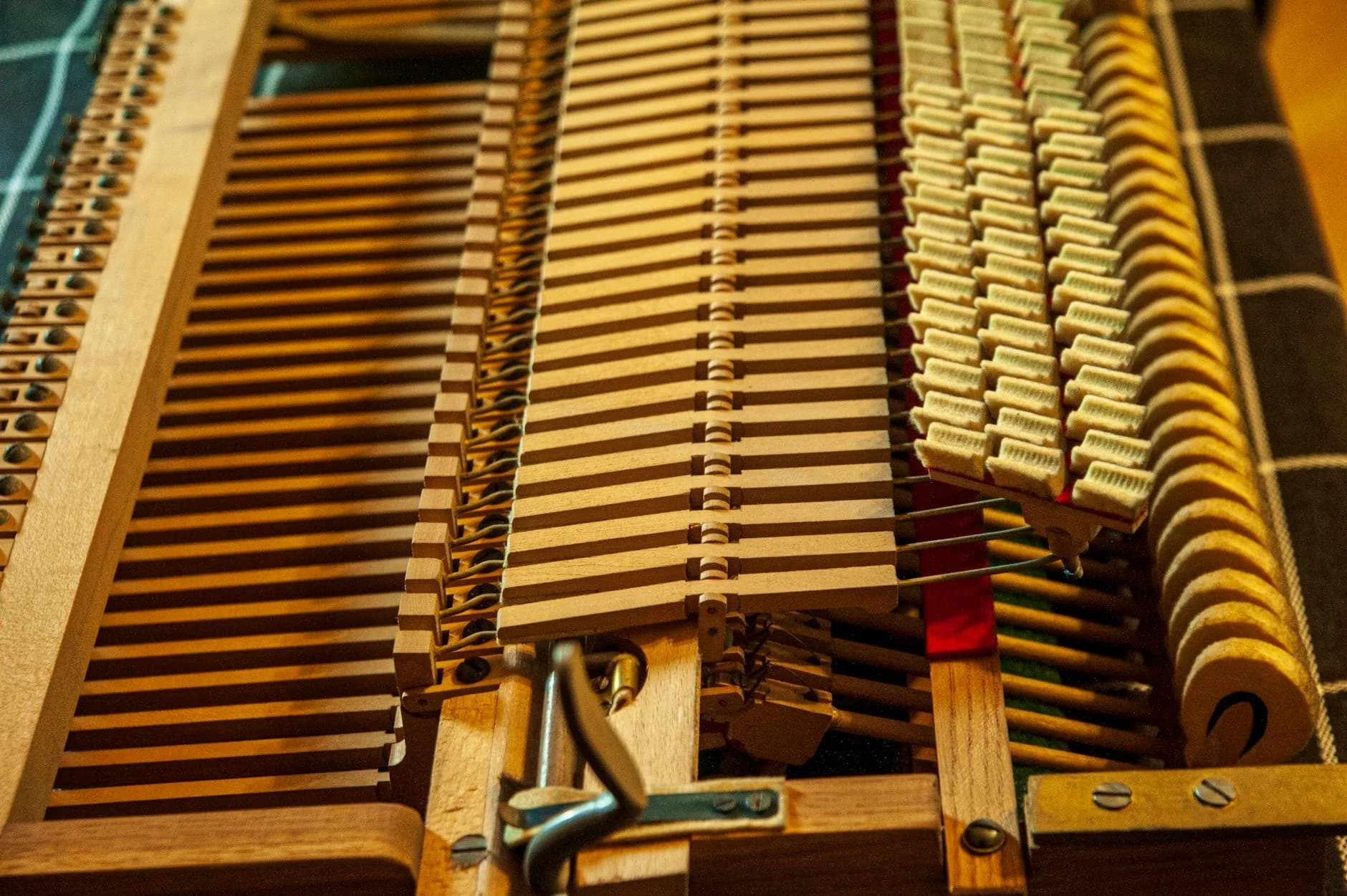
High-gloss finishes show every fingerprint and micro-scratch. One swipe with a dry cloth, one bump against a door frame, one belt buckle brushing against the surface, and you've got a mark that may need professional buffing to remove. Satin finishes are slightly more forgiving with minor scratches, but they show dents and pressure marks more clearly.
The real enemy during a move isn't just physical contact. It's also moisture, temperature swings, and adhesive residue. All three are common problems during Miami moves.
How Heat and Humidity Attack the Finish
Moving a piano in Miami means exposing it to outdoor conditions, even if only for the walk between your front door and the truck. On a typical July afternoon, outdoor temperatures hit 90+ degrees with humidity above 80%. Meanwhile, your air-conditioned home is probably sitting at 72 degrees and 50% humidity.
That rapid environmental change causes several problems. High-gloss finishes can develop a hazy, clouded appearance called "blushing" when exposed to sudden humidity changes. The finish absorbs moisture and turns milky white. Sometimes it clears up as the piano acclimates; sometimes it doesn't.
Heat makes polyester finishes softer and more prone to impressions. A strap pulled tight across a warm piano surface can leave an indent that becomes permanent once the finish cools and hardens again.
Step-by-Step Finish Protection
Clean Before You Wrap
Dust and grit trapped under moving blankets act like sandpaper. Before wrapping, wipe down the entire piano with a soft, slightly damp microfiber cloth. Use a piano-specific cleaner if you have one. Never use furniture polish with silicone, which can create a buildup that's hard to remove later.
Use the Right Wrapping Materials
Professional Piano Moving crews use thick quilted moving blankets, not the thin packing blankets you'd buy at a hardware store. The blankets go on in layers, and they're secured with padded straps or stretch wrap over the blankets. We never apply tape directly to any piano surface, because adhesive residue is a nightmare on lacquer finishes.
For high-gloss grand pianos, we add a layer of soft cotton sheeting between the piano surface and the moving blankets. This extra barrier prevents the quilted texture of the blankets from pressing patterns into the warm finish.
Protect the Legs and Pedals Separately
Grand piano legs and the pedal lyre get removed and wrapped individually. Each leg gets its own blanket or foam sleeve. These components often have the same finish as the body, and they're prone to chips and scratches when bumped together.
Control the Environment
We keep the truck's cargo area as cool as possible, parking in shade when available and using climate-appropriate scheduling. For high-value pianos in Miami, we prefer early morning moves when temperatures are 10 to 15 degrees cooler than the afternoon peak.
What to Do if the Finish Gets Damaged
Minor scratches on high-gloss finishes can sometimes be buffed out with a piano polish compound. Deeper scratches, dents, and blushing typically need a professional piano refinisher. If damage occurs during a professionally insured move, the repair or refinishing costs are covered.

Don't try to fix finish damage yourself with automotive polish or household products. Piano finishes require specific compounds, and the wrong product can make things worse.
Benefits of Professional Piano Moving
Working with experienced Piano Moving specialists provides:
- 1Expertise: Crews who know the difference between polyester, lacquer, and satin finishes
- 2Equipment: Multi-layer wrapping systems, padded straps, and cotton sheeting for high-gloss surfaces
- 3Insurance: Coverage for finish damage, including professional refinishing
- 4Efficiency: Proper technique from the start means fewer risks
Ready to Move Your Piano Safely?
Request your free quote today. Read our customer reviews to see why Miami piano owners trust Rapid Panda Movers to keep their instruments looking flawless.