A vintage piano is more than an instrument. It's a piece of history. Whether it's a 1920s Steinway Model M that's been in your family for generations or a.
# Vintage Piano Moving: Extra Care for Older Instruments
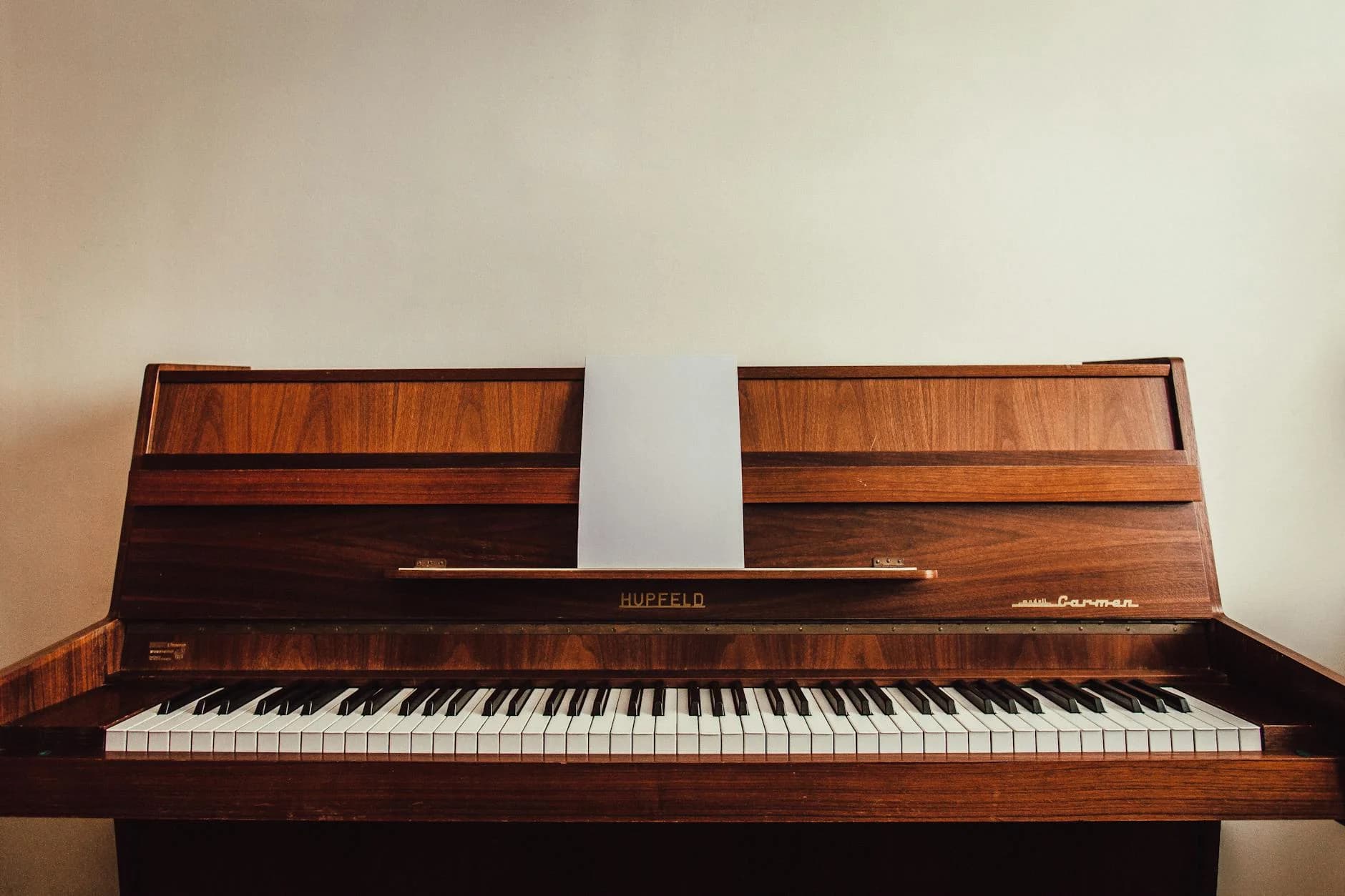
A vintage piano is more than an instrument. It's a piece of history. Whether it's a 1920s Steinway Model M that's been in your family for generations or a restored 19th-century Bosendorfer you found through a dealer, these older instruments demand a different approach during a move. The materials, construction methods, and condition of vintage pianos create risks that don't exist with modern instruments. Our crew in Miami has moved pianos over 100 years old, and the care they require is significant.
What Makes Vintage Pianos Different
Older Construction Materials
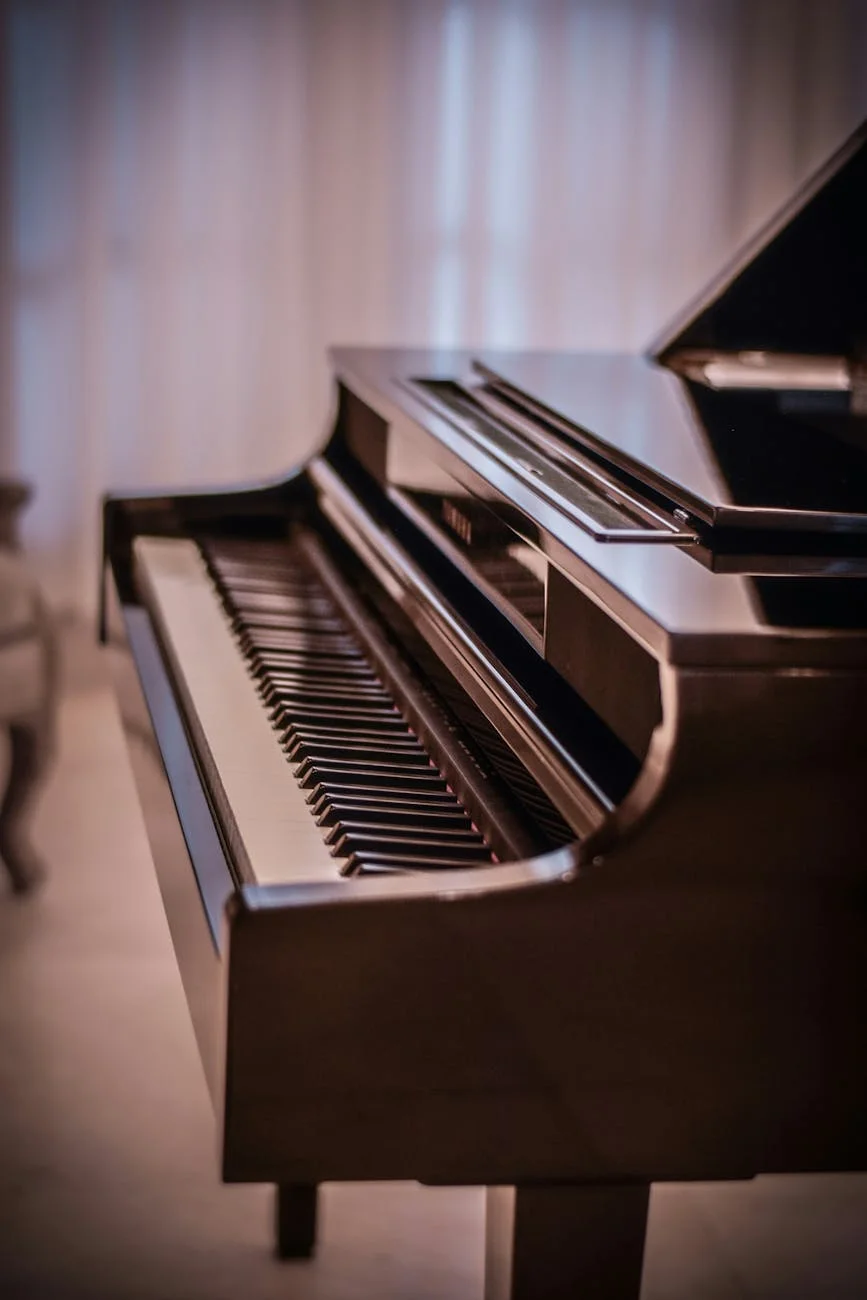
Pianos built before the mid-20th century use materials and techniques that are often more fragile than modern equivalents. Hide glue, which was standard until the 1950s and 1960s, softens at temperatures above 140 degrees. In Miami, the interior of a truck sitting in the sun easily reaches that temperature.
The wood in older pianos has had decades to dry, shrink, and settle. Joints that were tight when new may now have play in them. The pin block, which holds the tuning pins, may have loosened over the years, making the pins more susceptible to shifting during transport.
Fragile Finishes
Vintage pianos typically have lacquer or shellac finishes rather than the polyester coatings used on modern instruments. These older finishes are thinner, more brittle, and more sensitive to moisture and temperature changes. They crack (a pattern called "checking") when exposed to rapid environmental shifts, which is a constant concern during Miami moves.
Some vintage pianos have been refinished at some point, sometimes well and sometimes poorly. A refinish that used incompatible products over the original finish can flake or bubble during temperature changes. We need to know about the finish condition before wrapping to choose the right protective materials.
Irreplaceable Parts
On a modern piano, a broken hammer can be replaced with a new one from the manufacturer. On a 1910 Chickering, that hammer was hand-shaped from materials that may no longer be available. Many vintage piano parts are one-of-a-kind, and damaging them means finding a specialist who can fabricate a replacement by hand, if one exists at all.
Preparing a Vintage Piano for Moving
Get a Technician's Assessment
Before moving a vintage piano, have your piano technician inspect it. They can identify structural weaknesses, loose glue joints, fragile areas of the finish, and any internal components that need to be secured or braced for transport. This inspection should happen at least a week before the move so there's time to address any concerns.
Document Everything
Photograph the piano extensively: every side, the finish, any existing damage, the serial number plate, the action, and the pedals. For a vintage instrument, this documentation serves both insurance purposes and historical record. If the piano has provenance documentation (letters, receipts, historical records), make copies and keep them with you, not packed in a box.
Discuss Concerns with Your Movers
Tell your Piano Moving team about the piano's age, any known issues, and the technician's recommendations. If the technician has identified a weak glue joint on a leg or a section of finish that's lifting, the crew needs to know before they start wrapping and moving.
How We Handle Vintage Piano Moves
Extra Padding Layers
Vintage pianos get additional padding beyond our standard wrapping. We use soft cotton sheeting against the finish (never moving blankets directly on a shellac or lacquer surface), followed by multiple layers of quilted blankets. All straps are padded at every contact point.
Temperature Management
For pianos with hide glue, heat exposure must be minimized. We schedule vintage piano moves for the earliest possible time slot, keep the truck shaded, and drive directly from pickup to delivery with no stops. During Miami's summer months, we've been known to pre-cool the truck's cargo area when handling particularly valuable vintage instruments.
Slower, More Deliberate Movement
The crew moves at a slower pace with a vintage piano. Every transition (lifting, tilting, placing on the board, rolling over thresholds) is done with extra communication between crew members. The piano tells you what it can handle if you're paying attention, and experienced movers listen for creaks, pops, and shifts that signal stress.
Custom Bracing
If the technician identified structural concerns, we may add custom bracing. This could mean clamping a loose panel before moving, adding foam supports inside the case, or securing loose action components so they don't shift during transport.
After the Move
Vintage pianos need more acclimation time than modern ones. We recommend waiting at least three weeks before tuning, and having the same technician who inspected the piano before the move check it again afterward. They can compare the before and after condition and address any issues that arose during transport.
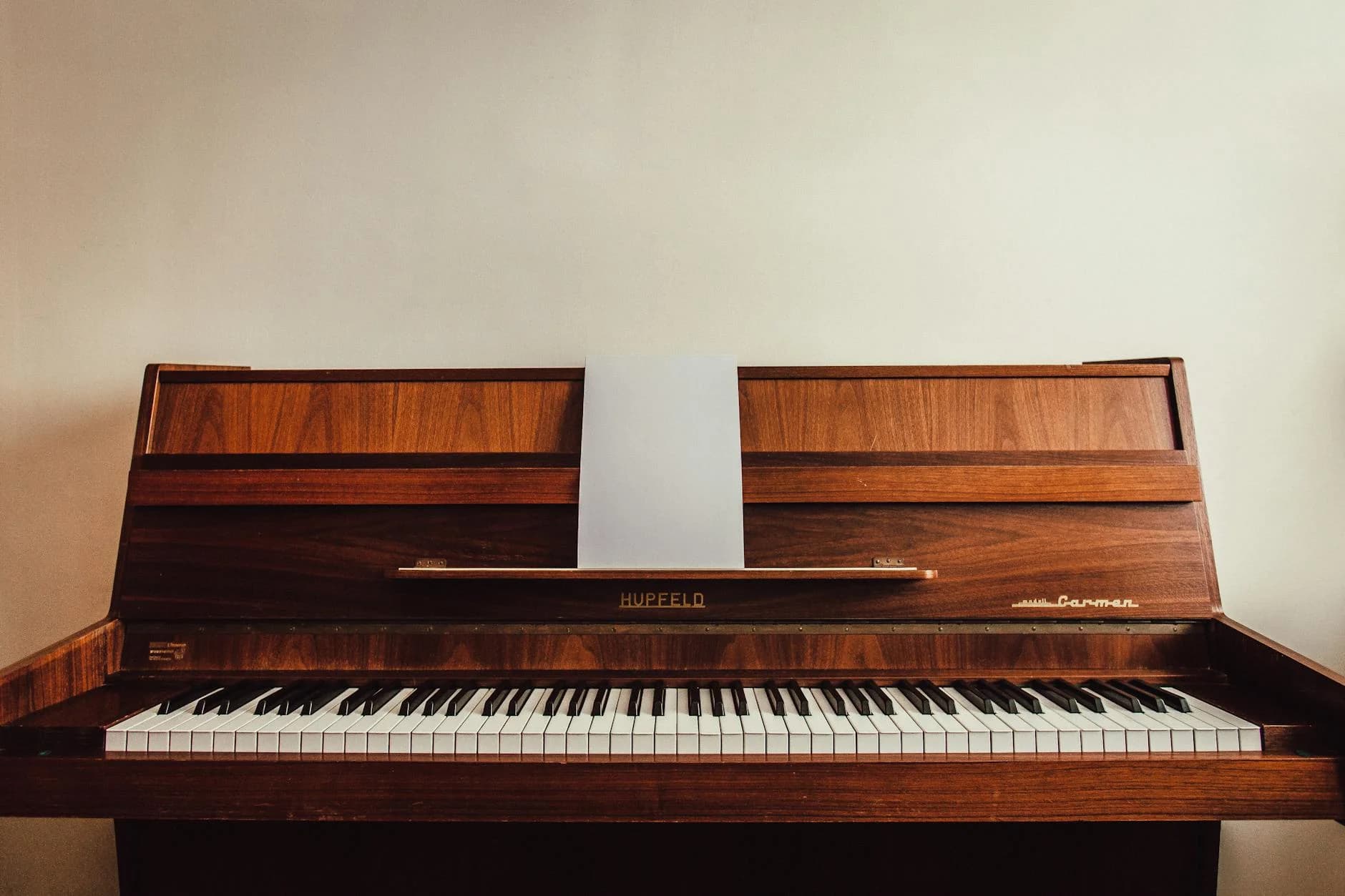
In Miami's variable humidity, a vintage piano may benefit from a Dampp-Chaser humidity control system if it doesn't already have one. The older wood is more reactive to moisture changes, and a stable environment will help preserve the instrument for more years to come.
Benefits of Professional Piano Moving
Working with experienced Piano Moving specialists provides:
- 1Expertise: Crews trained in handling instruments with age-related vulnerabilities
- 2Equipment: Multi-layer wrapping systems, custom bracing, and temperature management
- 3Insurance: Full value coverage based on professional appraisal
- 4Efficiency: Coordinated approach between your technician and our crew
Have a Vintage Piano That Needs Moving?
Request your free quote today. Read our customer reviews to see why Miami piano owners trust Rapid Panda Movers to treat their vintage instruments with the respect they deserve.